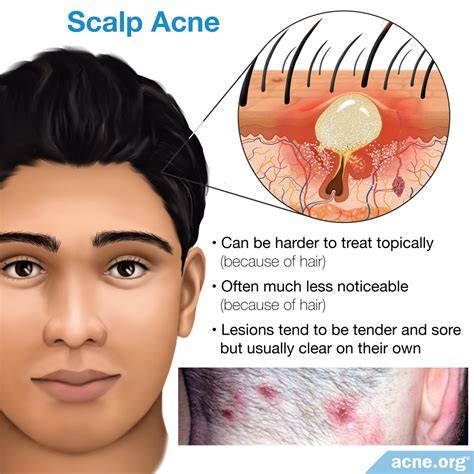
Acne and hair loss are two concerns that often intersect, with hormonal imbalances, lifestyle factors, and scalp health driving both conditions. Understanding the links between scalp acne and hair thinning can guide effective treatment that addresses the root causes rather than just the surface symptoms.
What scalp acne is and how it relates to hair loss
Scalp acne happens when hair follicles get clogged, just like facial acne, and can present as small red bumps, whiteheads or pustules, sore spots, or an oily and flaky scalp. When follicles are inflamed or blocked, hair growth can slow down or stop because the follicles become damaged or scarred over time. Inflammation damages follicles, swelling weakens the hair root, and blocked pores impede growth. Infections can also scar the scalp, potentially stopping hair from growing back.
Immediate at-home strategies for mild scalp acne
- Avoid hair care products that contain oil, leave a greasy residue, or weigh hair down.
- Wash hair more often, especially after sweating.
- Avoid headbands and tight-fitting hats; choose ventilated helmets that fit properly.
Professional treatments for persistent, moderate, or severe scalp acne
- Topical or oral antibiotics to clear bacteria from hair follicles.
- Topical steroids to treat folliculitis.
- Oral isotretinoin to treat long-term scalp acne in select cases.
- Oral antihistamines to reduce itchiness.
Medications, whether topical or oral, should be used according to a healthcare provider’s instructions. Discuss potential side effects and any supplements or other medications you take to avoid interactions. When selecting shampoos, look for antibacterial soaps, anti-dandruff shampoos (selenium sulfide), antifungals (ketoconazole or ciclopirox), benzoyl peroxide, oil-free formulations, and products containing salicylic acid.
Shampoos and scalp care tailored for acne-prone scalps
- Antibacterial soaps
- Anti-dandruff shampoos like selenium sulfide
- Antifungals such as ketoconazole or ciclopirox
- Benzoyl peroxide
- Oil-free products
- Salicylic acid
Should you pop pimples on the scalp?
No. Popping scalp pimples can worsen symptoms, cause more pimples, scarring, or infection. Instead, maintain good hygiene, use oil-free shampoos, and follow your healthcare provider’s prescribed treatment plan to clear pimples.
Timeframe for improvement
After determining the root cause and starting treatment, it can take up to six weeks to clear all pimples. Some improvement may be seen within a few days after starting treatment or after eliminating acne-causing hair care products, with reduced itchiness and fewer new pimples forming.
Link between adult acne and hair loss in women
Adult acne and female pattern hair loss can be interconnected and triggered by hormonal, lifestyle, or medication-related factors. Stress and hormonal fluctuations influence sebum production, hair growth cycles, and inflammatory responses. Hormonal evaluations can help identify imbalances that may underlie both conditions.
Key hormones influencing acne and hair loss
- Androgens: Elevated androgens (like testosterone) can increase oil production, clog pores, and shrink hair follicles, contributing to acne and thinning hair. Conditions such as PCOS often involve higher androgens and can link acne with hair loss.
- Thyroid hormones: Abnormal thyroid function can make skin oilier or drier and disrupt hair growth cycles, worsening both acne and hair loss.
- Estrogen and progesterone: Estrogen supports hair growth, while imbalances can affect sebum production and skin health. Hormonal shifts during puberty, pregnancy, menstrual cycles, menopause, or certain medical conditions influence both acne and hair.
Because these conditions often share hormonal drivers, treatment plans frequently require a holistic approach, addressing underlying imbalances rather than treating skin and hair issues in isolation.
Treatment approaches used in clinics
- Medical therapy to balance hormones
- PRP (platelet-rich plasma) therapy for hair restoration
- Nutritional support and lifestyle counseling
- Consultation with hair restoration specialists for advanced thinning
- Customized approaches tailored to the individual after thorough evaluation
Professional care emphasizes that acne and hair loss are not purely cosmetic problems; they can signal deeper hormonal or metabolic issues. Early diagnosis and personalized treatment can improve both skin and hair outcomes.
Common questions and practical guidance
- Can PCOS cause both acne and hair loss? Yes. PCOS can elevate androgens that trigger both conditions.
- Is hormonal acne different from regular acne? Hormonal acne often appears on the lower face and worsens around periods, sometimes requiring medical treatment.
- Will treating hormones stop hair loss completely? If hormonal imbalance is the main cause, correcting it can significantly reduce hair loss, but outcomes vary by individual.
Understanding the root causes-particularly hormonal activity, thyroid function, and lifestyle factors-helps in choosing effective therapies, whether at-home routines or medical interventions. The goal is to restore a healthy scalp environment and a stable hair growth cycle.