Traction alopecia is a concern for those wearing hair toppers, but a properly fitted topper applied correctly won’t cause damage. Traction alopecia is a form of hair loss caused by constant pulling or tension on the hair follicles, commonly from tight hairstyles or extensions. The good news is that with careful selection, placement, and maintenance, toppers can enhance volume without increasing risk of hair loss.
How hair toppers work and who they help
Hair toppers are designed for women experiencing partial hair loss, thinning at the crown, or widened parts. They sit on areas of noticeable hair loss and blend with existing hair, providing instant volume and length. Toppers do not provide total head coverage and are ideal for those who wish to avoid a full wig while still achieving a fuller look. They attach with clips, tape, or adhesive and are available in both human hair and synthetic options. Human hair toppers offer styling versatility and longevity, while synthetic toppers are more affordable and low maintenance.
There are several base types, including lace front, silk base, monofilament, and machine-made designs. Lace tops, especially, offer natural parting, while hand-tied caps provide exceptional movement and comfort. The base material and construction significantly influence realism, comfort, and how you blend with your natural hair.
Key sizing and coverage considerations
To achieve natural coverage, measure the thinning area and choose a topper that is about one inch larger than the problem area. The topper should anchor to strong, healthy hair, and fit snugly on the scalp to minimize movement. If the topper is too large, it may shift; if too small, clips may sit on thinning areas and cause discomfort or worsen hair loss. For best results, consider adding extra clips or using a small amount of tape at the front for security.
Practical tips to minimize tension and protect hair
- Rotate clip positions regularly: Avoid clipping in the exact same spot every day. Shifting attachment points helps reduce tension on specific areas and preserves scalp health.
- Use an adjustable halo or lighter bases: Halos and lightweight lace bases distribute weight more evenly, reducing concentrated pressure on clips.
- Choose lighter bases when possible: Lightweight lace toppers create less pulling and are gentler on thinning areas.
- Occasionally secure the lace front with glue or tape: Distributing pressure can help prevent localized stress on the scalp.
For those with ongoing scalp concerns, a bonded topper may be an option, but it requires proper scalp hygiene and maintenance. Bonded toppers must be removed regularly (at least weekly) to prevent bacterial buildup and mold, and to maintain scalp health.
Choosing between human hair and synthetic toppers
Human hair toppers are an investment and offer lasting styling versatility: you can heat-style, cut, and color them much like your own hair. Synthetic toppers are more affordable and require less maintenance but limit heating styles. Many clients start with a synthetic option and later upgrade to a human hair topper for a more natural look and longer lifespan.
Tips for choosing include matching natural hair color for blending, considering density, and selecting a base that suits daily activities and skin sensitivity. A wide range of colors, lengths, and shapes ensures toppers can accommodate various stages of hair loss and personal style.
Installation, adjustment, and care
Toppers are attached via clips, tape, or adhesive. To install, align the topper with thinning areas, clip onto natural hair, or apply adhesive per instructions. After attachment, gently press to ensure a secure bond and blend with surrounding hair. For front areas, lightweight tape can help anchor and reduce movement.
Care involves washing and detangling meticulously. Wash every 7-10 wears or weekly if worn daily. Use wig shampoo and conditioner, rinse with cool water, and air-dry on a stand. Avoid harsh chemicals and excessive heat on the topper, especially with synthetic fibers. For storage, keep toppers on a stand or mannequin head away from direct sunlight and dust, in a cool, dry place.
Common questions about toppers and practical guidance
- Hair toppers are generally made from synthetic fibers or human hair; color matching is crucial for a seamless blend.
- With proper attachment and blending, a human hair topper can look completely natural and unified with your bio hair.
- Toppers are lightweight and comfortable, but it may take time to adjust to wearing a hairpiece regularly.
- Clip-in toppers work best where there is sufficient volume on the sides; those with little hair on top may prefer tape or adhesive methods.
- You can sleep with some toppers on, but this can affect longevity; frequent removal is often recommended for maintenance.
- Color, length, and density can be customized; some colors may appear slightly different on-screen than in person, making color matching important.
Special cases: crowns, alopecia types, and integration systems
For alopecia areata or partial loss at the crown, toppers offer a practical solution to restore confidence and provide a natural look. Some systems integrate with existing hair on a strand-by-strand basis, offering secure yet flexible wear and allowing activities like swimming or sports when properly designed. Intralace-style systems integrate more completely with the wearer’s hair, offering extended wear and ease of use without heavy maintenance.
Wigs remain a strong option for total hair loss due to chemotherapy or alopecia totalis, but toppers specifically address partial loss and thinning, delivering volume without full head coverage. The base type, density, and blending are essential to achieving a natural appearance and comfortable wear for day-to-day life.
Careful selection and professional guidance
Choosing the right topper involves considering base materials, density, length, color, and whether you prefer lace fronts, underventings, or other features for a natural look. If you have existing hair, toppers are designed to blend with it; the goal is to achieve fullness while preserving your own hair and scalp comfort. A professional fitting can help you determine the best clip positions, base type, and color match for your lifestyle and activities.
Product concepts and examples
There are many options for beginners and experienced users alike, including specific pieces designed for early thinning as well as robust systems for more significant hair loss. Some popular examples include easy-to-match pieces with varied densities, shades, and lengths, designed to blend with natural hair and offer a comfortable wear. The key is to select a topper that complements your hairline, scalp condition, and daily activities.
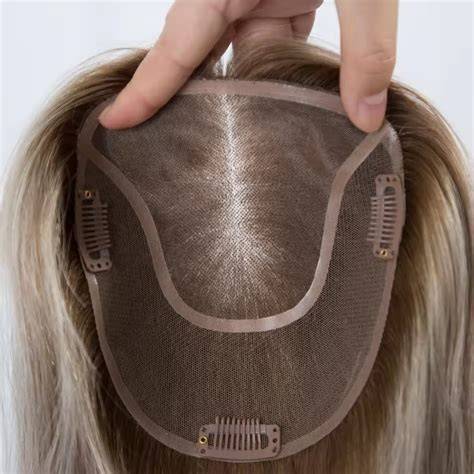
How to Attach A Hair Topper on Fine Thin Hair | Hair Topper Hairstyle Enchantop Human Hair Topper
For those exploring options, a trusted supplier can provide a wide range of toppers, including human hair toppers in multiple lengths and densities, with color-matching services and storage guidance. This approach helps ensure you find a topper that suits your needs while maintaining scalp health and achieving a natural look.
Maintenance timeline and practical routines
To maximize longevity, wash the topper every 7-10 wears, detangle gently, and store properly when not in use. If you wear toppers regularly, you can keep the unit on a stand or mannequin head during daily wear and remove for cleaning. Regular maintenance reduces tangling and preserves the natural appearance of both the topper and your bio hair.
Summary of best practices for traction-free wear
- Use the right size to avoid clips sitting on thinning areas and causing discomfort.
- Rotate clip positions to reduce tension on any single scalp area.
- Prefer adjustable halos or lighter bases to distribute weight evenly.
- Consider lace tops or PU-perimeter designs for better attachment options and realistic appearance.