Folliculitis is an inflammation of the hair follicles that can present as small red bumps, itching, tenderness, or pus-filled pimples. Folliculitis is most often caused by bacterial infection, with Staphylococcus aureus being the common culprit, though fungal, viral, and parasitic causes exist. Treatments depend on the type and severity of the condition, patient preferences, and prior self-care attempts.
What folliculitis is and how it presents
Folliculitis is an inflammation of the hair follicles, the tiny pockets in your skin from which hair grows. When these follicles become inflamed or infected, it can lead to small, red, and sometimes pus-filled bumps on the skin. Symptoms vary by cause but often include itching, pain, and redness. Mild cases may resolve with good hygiene and simple self-care, while more severe or persistent infections may require prescription therapies.
How antibacterial creams fit into treatment
For mild bacterial folliculitis, your health care provider may prescribe a topical antibiotic lotion or gel, such as mupirocin or clindamycin, to apply to affected areas. Topical antimicrobials are commonly used because many cases are superficial and limited to the skin. In some instances, benzoyl peroxide washes or creams can be used as adjuncts or alternatives, especially when inflammation is present.
In deeper or more extensive infections, or when topical therapy fails, systemic antibiotics (oral) may be considered, such as dicloxacillin or cephalexin. Antibacterial therapies are chosen based on the severity and the suspected organisms, with MRSA considerations guiding culture when infections recur or do not respond to initial treatment. It’s important to follow a clinician’s advice to minimize resistance and ensure appropriate use of antibiotics.
Other medical approaches to folliculitis
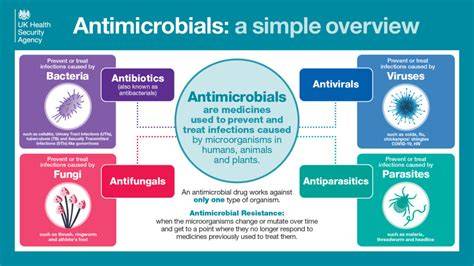
While antibiotics target bacterial causes, other treatments address different etiologies. Antifungal creams or shampoos may be indicated for pityrosporum (Malassezia) folliculitis, and antifungal pills can be used for deeper fungal involvement. For inflammatory components or itchy symptoms, a corticosteroid cream may be suggested in mild eosinophilic folliculitis, and antiretroviral therapy may improve HIV-associated eosinophilic folliculitis.
In cases of large boils or carbuncles, a minor surgical procedure to drain pus may relieve pain and speed recovery, after which sterile dressings help prevent leakage. Laser hair removal might be proposed for pseudofolliculitis barbae when other treatments fail, though it carries risks of scarring and pigment changes and requires multiple visits.
Self-care measures to support treatment
Apply a warm, moist washcloth several times daily to relieve discomfort and promote drainage if needed. A vinegar solution (1 tablespoon white vinegar in 1 pint water) can be used to moisten a washcloth for additional cleaning. Clean the affected skin twice daily with antibacterial soap or cleanser, using a clean washcloth and towel each time, and avoid sharing towels or washcloths. Hot, soapy water is recommended for washing items that contact the affected skin.
Keep the skin dry and wear loose, breathable clothing to reduce friction and moisture buildup. If possible, stop shaving the affected area until it clears, and consider new razor blades when you resume shaving to minimize irritation. Shaving and waxing can exacerbate folliculitis or promote ingrown hairs; laser hair removal may be discussed as a long-term option.
OTC products can help with mild symptoms: an antibacterial soap or hydrogen peroxide washes can reduce surface bacteria, and nonprescription hydrocortisone cream may relieve itching. However, avoid overuse of antibiotic ointments to prevent resistance and disruption of normal skin flora. Patch testing is advised when using essential oils or other home remedies, as some individuals may have irritation or worsening symptoms.
Preparing for your appointment
When you visit a health care provider, you’ll likely discuss your medical history, current medications, and any previous treatments tried. You may be asked about exposure to heat and moisture, shaving practices, and recent skin changes. Being prepared with questions can help you and your clinician tailor treatment to your situation.
Questions you might consider asking
- What is the most likely cause of my symptoms?
- Do I need any tests or cultures?
- What is the best treatment for my condition?
- Are there generic alternatives to the prescribed medicines?
- What are the possible side effects and how long will treatment take?
- Is there any patient education material I can take home?
What to expect from treatment and self-care
Most mild bacterial folliculitis improves with proper hygiene and topical antimicrobials within a short period. If symptoms persist or worsen, a clinician may escalate therapy to oral antibiotics or add antifungal or anti-inflammatory agents as indicated by the underlying cause. In severe or recurrent cases, medical interventions, including possible surgical drainage, may be required.
Self-care measures can reduce the risk of spread and recurrence: use clean cloths or towels for compresses and wraps, avoid sharing personal items, wash hands regularly, and disinfect high-touch surfaces. If symptoms are not improving after trying home remedies or prescribed care, seek medical attention promptly.
Folliculitis can resemble other conditions like keratosis pilaris, making accurate diagnosis important. While many infections are benign and self-limiting, certain presentations warrant medical evaluation to prevent complications and to ensure appropriate treatment for the specific cause.
Additional notes on related types and prevention
Hot tub folliculitis is caused by Pseudomonas aeruginosa and typically resolves with proper chlorination; prevent recurrences by maintaining water quality. Pseudofolliculitis barbae (razor bumps) often arises from close shaving, particularly in some populations, and improves after reducing shaving irritation or considering laser hair removal. Demodex folliculitis results from an overabundance of mites and may require antiparasitic therapy. Eosinophilic folliculitis, especially in HIV/AIDS, often improves with antiretroviral therapy.
Maintaining good hygiene, wearing appropriate clothing, and careful shaving practices are practical preventive steps. If you have persistent or severe symptoms, or if you have risk factors like immune suppression, seek medical care to determine the most effective treatment plan.
FOLLICULITIS Causes, Symptoms, & Treatments
tags: #antibacterial #cream #for #folliculitis