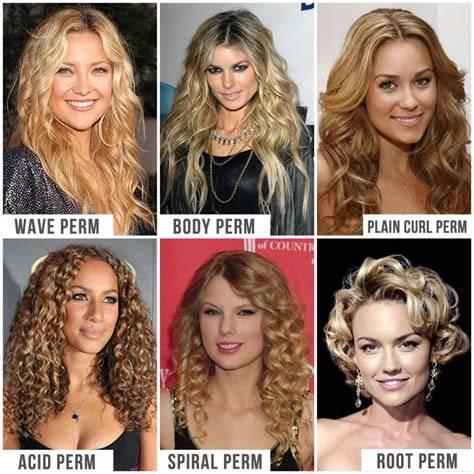
Perms can offer a spectrum of textures, from loose beachy waves to tight ringlet curls, thanks to modern formulations and techniques. The chemicals used in a perm solution are pretty harsh, so it’s important to know the risks before attempting your perming journey. Perms work by permanently altering the hair’s texture through chemical reactions with the keratin bonds, and the result depends on hair health, preparation, and aftercare.
What a perm is and how it works
The term ‘perm’ is short for ‘permanent hairstyle’, and this technique uses chemicals to give straight hair curls, ringlets or waves. Perms are a two-stage chemical treatment which alter your hair’s natural texture - they work on a molecular level to react with your hair’s proteins and produce curls. The process involves wrapping sections of hair around rods or rollers, applying a perm solution to set the new curl pattern, rinsing, and applying a neutralizer to lock the shape in place. Virgin, unprocessed hair will hold the perm pattern longer than hair that has been bleached or chemically treated before.
Modern perming methods are generally less damaging than older techniques, but they can still cause dryness or breakage if misused or overdone. If you’re new to perms, your stylist will guide you on what needs to be done to minimize risk and maximize longevity.
Types of perms and who they’re for
Hot perms, also known as digital perms, are suitable for finer, thinner hair and use heated rollers to create long-lasting waves. Cold perms, or traditional alkaline perms, are often preferred for coarser hair and produce tighter curls. Exothermic perms are self-heating and work quickly, best for thick, resistant hair but potentially harsher on delicate strands. A newer option is the acid-balanced perm, which uses gentler chemistry and heat to create softer textures. You can also choose a range of specific perms to suit texture and desired result, such as beach wave, spiral curl, root perm, or volume perm.
Perms are most successful on healthy hair that hasn’t been previously chemically processed. Virgin hair tends to hold patterns longer, while previously treated hair may require more care to preserve curl integrity.
Preparation tips to protect hair before a perm
- Shampoo and condition with repairing products to strengthen the cortex and improve resilience before the appointment.
- Boost hydration with nourishing oils and creams to seal the cuticle and plump strands.
- Reduce heat styling exposure in the weeks leading up to the perm to minimize dryness and damage.
- Avoid haircuts that thin or layer hair, so the hair is fuller and looks healthy for the new texture.
Care and maintenance after a perm
- Wait at least 48 hours before brushing or washing permed hair to allow the curl to set fully.
- Treat your perm with curly-hair focused products and avoid products that strip moisture.
- Apply deep conditioning treatments weekly to keep curls hydrated and reduce breakage.
- Dry carefully: blot with a microfiber towel or soft t-shirt, then diffuse on a low setting.
- Detangle from the ends upward, using a wide-tooth comb or fingers and a leave-in conditioner to minimize tugging.
Humidity can cause frizz, so protective routines and strategic detangling help preserve curl definition. If you’re unhappy with your result, it’s best to consult a professional rather than attempting aggressive DIY fixes. Overprocessing, especially on previously damaged hair, increases the risk of hair breakage and loss.
Potential risks and how to minimize them
Perm chemicals change the bonds within your hair and can cause dryness, frizz, and breakage if overused. Skin exposure around the scalp or hairline can lead to chemical burns and irritation. Perms can also dry out hair, and repeated processing on damaged hair increases the chances of breakage and loss. It’s crucial to have a professional assess your scalp health and hair type, use appropriate products, and space out treatments to allow recovery time.
When considering a home perm kit, remember DIY perms carry added risks such as skin irritation, chemical burns, and uneven results. Always follow instructions closely, and consult a dermatologist if you experience stinging, burning, or persistent irritation.
Is a perm right for you?
If you’ve always dreamed of bouncy curls or effortless beachy waves, a perm could be the answer. Perms can last 3 to 6 months, depending on hair type and maintenance. For longer-lasting results, maintaining hair health before and after the treatment is essential, along with choosing a perm type that matches your natural texture and lifestyle. If your hair is dry, damaged, or highly porous, you may want to improve your hair’s condition before perming or reconsider whether a perm is right for you at this time.
Practical guidance for salon visitors
Your stylist will walk you through the steps, from washing to rolling to neutralizing, and will tailor the rod sizes to your desired texture. They will explain processing times, the neutralization step, and the aftercare routine to maximize curl integrity. For a straight perm, the process involves relaxing the hair with a chemical solution, washing, and then reshaping with a neutralizer and heat styling as needed. If you’re unsure about ingredients, ask your stylist which chemicals are used and whether gentler acidic formulations are available for sensitive hair.
Additional tips and resources
To care for permed hair, you can apply leave-in products to maintain moisture and protect against heat. Use gentle, sulfate-free cleansers and weekly deep conditioners designed for curls. When styling, avoid aggressive brushing and consider air drying when possible to reduce heat damage. If you’re trying to keep your perm for longer, minimize heat styling, protect curls while sleeping, and mind humidity levels to prevent frizz.