The bald fade is exactly what it sounds like: a haircut that starts at skin level and gradually blends upward into longer hair. Of all the fade variations, this one has the most contrast. You’re going from zero, bare scalp, to full density. The blend between those two extremes is where the craft lives. This cut has roots in military barbering, where clean lines and low-maintenance grooming were the standard. It crossed into mainstream popularity through hip-hop culture in the late 1980s and 1990s, and it’s never really left. Today it’s one of the most requested cuts in any shop, regardless of clientele.
The bald fade works on nearly every head shape, but it really shines on clients with well-defined skulls. Guys with rounder heads benefit from the visual structure it creates. It pairs well with almost any style on top, whether that’s a textured crop, a pompadour, curls, or even longer styles that need a clean perimeter. The skin-level start point gives the entire cut an anchored, intentional look.
One thing to understand: a bald fade is not the same as a skin taper. The fade extends higher up the head, covering a larger transition zone. A taper keeps the skin-to-hair blend confined to the edges. If a client asks for a bald fade, they want that gradual climb to be visible and prominent.
What is a Bald Fade and How to Cut It
Start by establishing your guideline. Use a foil shaver or a trimmer with no guard to take the perimeter down to skin. How high you bring this depends on the client’s preference and head shape, but a standard starting point is about a finger’s width above the ear.
Next, set your longest guard length at the top of the fade zone. If the client has a #3 on top, you might use a #2 open as your ceiling. The idea is to create distinct weight lines that you’ll blend through.
Work in sections. Take your clipper with a #1 guard and cut from the skin line up to about an inch above it. Then switch to a #1.5 or open #1, overlapping slightly with the previous section and carrying it a bit higher. Continue stepping up with half-guard increments.
The blending happens in the overlap zones. Rock the clipper in a slight scooping motion, flicking the blade out as you move upward through each transition. This feathering technique prevents hard lines. Go slow. Check your work from multiple angles. The back of the head is where most barbers leave visible lines, so use a hand mirror to inspect.
For the skin-level section, a cordless clipper with consistent blade performance matters more here than in almost any other cut. You’re running the blade directly against skin for extended passes. If the blade heats up, you’ll burn the client and lose their trust. Temperature management isn’t optional on bald fades. It’s a baseline requirement.
Finish the edges with a straight razor or detailer for a sharp, defined line at the temples and nape. Some barbers also use a razor to clean up the skin section for a true glass finish.
Maintenance and Aftercare
A bald fade has a short shelf life. Most clients will need a touch-up every 7 to 10 days to keep the skin section clean and the blend tight. Hair grows at different rates across the head, so the fade loses its crispness faster than other cuts.
Between visits, clients should moisturize the skin-level areas daily. A lightweight, non-greasy moisturizer or scalp oil prevents dryness and irritation. Shea butter or jojoba-based products work well without clogging pores.
For the longer hair on top, styling depends on the chosen look. Pomade for slicked styles, a matte clay for textured crops, or leave-in conditioner for natural curls. The main advice: treat the skin sections like skincare, not haircare. Exfoliate gently once a week to prevent ingrown hairs, especially on clients with coarser hair textures.
Sun protection is worth mentioning too. The exposed scalp on a fresh bald fade is vulnerable. Recommend a lightweight SPF spray or hat for clients who spend time outdoors.
Tools You’ll Need
- Foil shaver for the skin-level zero section
- Adjustable clipper with half-guard increments (#0.5, #1, #1.5, #2) for blending
- Detailer or T-outliner for edge work and lineups
- Clipper with thermal regulation, because extended skin-level work generates significant heat
Variations and Fit
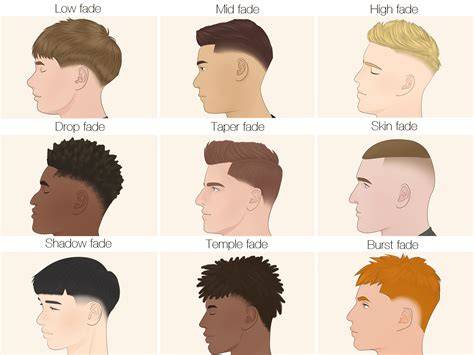
The bald fade haircut has become one of the most popular men's hairstyles in 2026, and for good reason. This versatile cut offers a clean, modern look that works for virtually any face shape, hair type, and personal style. A bald fade, also known as a skin fade, is a haircut where the hair gradually transitions from longer lengths on top to completely shaved skin at the sides and back. The defining characteristic of a bald fade is the seamless gradient-there should be no visible lines or harsh transitions. The high bald fade starts the transition near the top of the head, typically around the temples or crown. The mid bald fade begins around the middle of the sides, roughly at eye level. The low bald fade starts just above the ear, offering a more subtle transition.
Getting the perfect bald fade starts with clear communication. If you're still unsure how to describe your ideal look, bring 2-3 photos showing exactly what you want. A bald fade requires regular maintenance to keep it looking sharp. Oval face: You're lucky-almost any fade style works. Round face: A high fade adds visual length. Square face: A mid fade balances strong jawlines. Once you establish a regular trim schedule, bald fades are incredibly easy to maintain. A bald fade works with countless top styles-from buzz cuts to pompadours, curly tops to slicked-back looks. A bald fade typically looks best for 2-3 weeks before needing a touch-up.
No, getting a bald fade should not be painful. Yes! Bald fades work for all hair types and textures. Yes, clean hair is easier to cut. While you can maintain the top at home, the fade itself requires professional skills and tools to keep looking sharp. Not sure if a bald fade is right for you? Use BaldFade's AI tool to preview exactly how you'd look with different fade styles before visiting the barber.
Style Combinations and Face Shapes
The bald fade remains one of the most popular and versatile men's haircuts for good reason. Whether you opt for a high, mid, or low fade, the key to success is clear communication with your barber and regular maintenance. Ready to transform your look?
Flawless BALD-FADE technique - BARBER Tutorial
Frequently Asked Points
- A bald fade typically looks best for 2-3 weeks before needing a touch-up.
- Yes, bald fades work for all hair types and textures.
- While you can maintain the top at home, the fade itself requires professional skills and tools to keep looking sharp.
- Clear communication with your barber is the key to a successful result.