A receding hairline is actually a disorder that can be caused by many factors including physical or emotional stress, alopecia, and a range of medical issues. For many people, a receding hairline feels like something to be afraid of. But watching your hairline recede a little is a natural part of ageing. Having a receding hairline doesn’t always mean complete baldness later on in life as your hairline moving back could be a sign of a mature hairline. Mature hairlines can occur gradually with the hairline receding evenly and stopping before receding onto your scalp.
If it’s something you personally fear, don’t worry. If you’ve noticed this and started to worry, there’s probably no need. An early receding hairline can be a hereditary trait with sensitive hair follicles produced by certain male hormones. There could also be a link between receding hairlines and diet as one lacking in protein can cause more significant hair loss. Male pattern baldness, on the other hand, affects around 70% of men and 40% of women. It causes your hair growth cycle to weaken and the hair follicles themselves to become smaller. The major cause is your genetic inheritance.
If you have close male relatives who are bald, you are at higher risk of going bald yourself. More hairline movement - receding hair which is changing naturally to become a mature hairline may move around 1cm upwards. Pronounced thinning - a maturing hairline might be less straight than your hair when you were younger, but it might not be noticeably thinner. A dermatologist will discuss your personal and family medical history and perform a pull test to establish how easily your hair falls out. A biopsy may be helpful to confirm any scalp infection or disease which may be causing the hair loss.
Eat healthy - It’s not a secret that a well-rounded diet can help with hair loss. Stop smoking - smoking can lead to hair loss. Yes. You can certainly have a receding hairline and not go bald. Male pattern baldness, though, is generally an inherited condition that you can’t really reverse. But as most barbers and hair experts will tell you, there are plenty of ways to make your baldness work for you. Just think of celebrities like Jason Statham or Bruce Willis. Being bald isn’t the end of the world.
Explanatory video with English subtitles: What causes hair loss? Baldness is the partial or complete lack of hair growth, and part of the wider topic of "hair thinning". Hypotrichosis is a condition of abnormal hair patterns, predominantly loss or reduction. It occurs, most frequently, by the growth of vellus hair in areas of the body that normally produce terminal hair. Typically, the individual's hair growth is normal after birth, but shortly thereafter the hair is shed and replaced with sparse, abnormal hair growth. The new hair is typically fine, short and brittle, and may lack pigmentation.
Common Types and Features of Hair Loss
Symptoms of hair loss include hair loss in patches usually in circular patterns, dandruff, skin lesions, and scarring. Alopecia areata (mild - medium level) usually shows in unusual hair loss areas, e.g., eyebrows, backside of the head or above the ears, areas the male pattern baldness usually does not affect. In male-pattern hair loss, loss and thinning begin at the temples and the crown and hair either thins out or falls out. People have between 100,000 and 150,000 hairs on their head. The number of strands normally lost in a day varies but on average is 100. In order to maintain a normal volume, hair must be replaced at the same rate at which it is lost.
The first signs of hair thinning that people will often notice are more hairs than usual left in the hairbrush after brushing or in the basin after shampooing. Throughout his political career, Urho Kekkonen, the President of Finland, was well known for his baldness. A substantially blemished face, back and limbs could point to cystic acne. The psychology of hair thinning is a complex issue. Hair is considered an essential part of overall identity: especially for women, for whom it often represents femininity and attractiveness. Men typically associate a full head of hair with youth and vigor. People experiencing hair thinning often find themselves in a situation where their physical appearance is at odds with their own self-image and commonly worry that they appear older than they are or less attractive to others.
Hair loss induced by cancer chemotherapy has been reported to cause changes in self-concept and body image. Body image does not return to the previous state after regrowth of hair for a majority of patients. In such cases, patients have difficulties expressing their feelings (alexithymia) and may be more prone to avoiding family conflicts. Demodex folliculitis, caused by Demodex folliculorum, a microscopic mite that feeds on the sebum produced by the sebaceous glands, denies hair essential nutrients and can cause thinning. Traction alopecia is most commonly found in people with ponytails or cornrows who pull on their hair with excessive force. In addition, rigorous brushing and heat styling, rough scalp massage can damage the cuticle, the hard outer casing of the hair.
Medical Conditions and Diagnostic Tools
Trichotillomania is the loss of hair caused by compulsive pulling and bending of the hairs. Onset of this disorder tends to begin around the onset of puberty and usually continues through adulthood. Traumas such as childbirth, major surgery, poisoning, and severe stress may cause a hair loss condition known as telogen effluvium, in which a large number of hairs enter the resting phase at the same time, causing shedding and subsequent thinning. Hair loss often follows childbirth in the postpartum period without causing baldness (telogen effluvium). During pregnancy, the hair is thicker owing to increased circulating estrogens. Approximately three months after giving birth (typically between 2 and 5 months), estrogen levels drop and hair loss occurs, often particularly noticeably around the hairline and temple area.
Autoimmune disease. Alopecia areata is an autoimmune disorder also known as "spot baldness" that can result in hair loss ranging from just one location to every hair on the entire body. Although thought to be caused by hair follicles becoming dormant, what triggers alopecia areata is not known. Skin diseases and cancer. Localized or diffuse hair loss may also occur in cicatricial alopecia. Hypothyroidism and the side effects of its related medications can cause hair loss, typically frontal, which is particularly associated with thinning of the outer third of the eyebrows. Congenital triangular alopecia is a patch of hair loss in the temple area that does not expand.
Hair growth occurs in cycles: a long growing phase (anagen), a short transitional phase (catagen) and a short resting phase (telogen). The pull test helps to evaluate diffuse scalp hair loss. The root of the plucked hair is examined under a microscope to determine the phase of growth. Scalp biopsy is used when the diagnosis is unsure; a biopsy allows for differing between scarring and nonscarring forms. Trichoscopy is a noninvasive method of examining hair and scalp.
Treatments and Management
Today, there are a number of proven clinical hair loss treatments available for thinning or balding hair. Minoxidil (Rogaine) is a nonprescription medication approved for male pattern baldness and alopecia areata. In a liquid or foam, it is rubbed into the scalp twice a day. Finasteride (Propecia) is used in male-pattern hair loss in a pill form, taken 1 milligram per day. It is not indicated for women and is not recommended in pregnant women. Corticosteroids injections into the scalp can be used to treat alopecia areata. Hair transplantation is usually carried out under local anesthetic. A surgeon will move healthy hair from the back and sides of the head to areas of thinning. Wigs are an alternative to medical and surgical treatment; some patients wear a wig or hairpiece.
Low-level laser therapy (LLLT) has emerged as a method of treating male pattern hair loss, but is not universally accepted as a proven treatment. Hair transplantation offers a viable option for permanent restoration, though it is expensive and carries risks. In Australia, a hair transplant can be costly. Lifestyle changes can support hair health: antioxidant-rich foods, gentle shampoos, reducing stress, and giving hair breaks from tight hairstyles can help.
The takeaway: By taking a proactive approach to the first signs of a receding hairline or thinning hair, your hair health can absolutely improve. Up to 50% of men experience noticeable thinning by age 50. The most common form is male androgenic alopecia. Females can also lose hair, though patterns differ. A conversation with a dermatologist can guide you to appropriate options and personalized treatment plans.
Guidance on Distinguishing Widow’s Peak from Receding Hairline
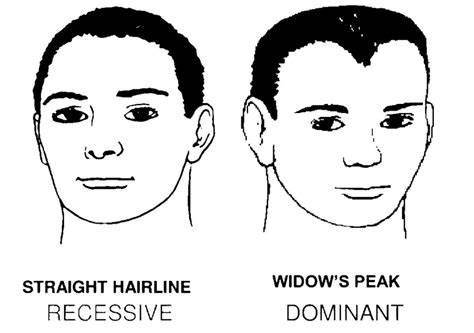
A widow's peak is a V-shaped point that can be a normal variant and does not necessarily predict baldness. Do the wrinkle test: if your hairline sits about one-inch (33mm) above the highest forehead wrinkle, it may be a maturing hairline. An even recession and M-shaped or V-shaped patterns can help distinguish between a mature line and a true receding line. If thinning continues, it could indicate male pattern hair loss.
When to Seek Expert Help
If you notice persistent signs of hair loss, it’s important to consult a dermatologist. They may perform a pull test, scalp biopsy, or blood tests to determine contributing conditions such as thyroid disease. Early detection and intervention can significantly impact the effectiveness of treatment options. A professional can tailor a plan that may include medications, procedures, or lifestyle adjustments to support hair health.
The Science of Hair Loss/Balding
| Factor | Impact on Hairline | Typical Indicators |
|---|---|---|
| Genetics | High | Family history, earlier onset |
| Hormones (DHT) | Moderate to High | Temple recession, crown thinning |
| Nutrition | Moderate | Protein deficiency, overall brittleness |
| Stress & Illness | Variable | Telogen effluvium, shedding after events |