Over the last few years, I've tried to keep my curl care routine as simple as possible. I've streamlined it to only include the basics: shampoo, conditioner, and two to three leave-in products that I use before and after blowing out my type 4 hair. Unfortunately, though, this past winter was pretty brutal, and my hair suffered from it. Curly hair is already prone to dryness, but the frigid weather on the east coast was causing more dryness than normal, so my solution to that was to add a few thick moisturizing hair butters to my routine.
Oils and butters have been hotly debated in the natural hair community for years, with some people swearing by them and others thinking that they're a little too heavy to actually penetrate the hair shaft and provide any moisture. It all comes down to personal preference and what works for you, but if your hair has been drier than normal lately, don't rule them out as a solution.
The Case for Curl Butters in a 4C-Like Routine
"Curl butters are an important part of a curly hair routine because they help provide rich moisture and support softer, more defined curls," says Ayanna Augustine-John, hairstylist at Ouidad Salon in New York City. "They're especially beneficial for tighter curl patterns, which tend to need extra hydration to help maintain elasticity, reduce dryness, and keep curls looking healthy."
If you're on the hunt for something a little more hydrating for your curls, read ahead to shop the butters I've tried, and learn how I incorporate them into my larger curly hair care routine. My coily hair gets dry pretty easily. Hyaluronic acid can be just as moisturizing for your hair as it is for your skin and body. I’ll be a Briogeo loyalist forever, especially when it comes to the Farewell Frizz collection.
The Main Attraction: Hair Butters
The Butters. Now for the main attraction: the hair butters. Having curly hair means that I often have to deal with fairy knots and tangles when I wear my hair in its natural state, which usually happens when it’s not moisturized enough. To prevent that (as well as the brittle feeling that my hair gets just days after washing and blow drying), I like to incorporate butters into my routine after applying my leave-ins.
This one is a favorite among natural hair gurus for a reason. It has a thick formula that moisturizes but it doesn’t ever feel like it’s sitting on top of the hair making it greasy. This butter-gel hybrid can be used on hair that’s freshly washed, or you can use it to spruce up hair and styles that are a few days old.
"Butter" being in the name of a hair product might immediately make you think that the product itself is thick and greasy, but that's not always the case, especially with this cream. This is more of a scalp butter, but as we've all come to learn, a healthy, hydrated scalp is just as important as healthy strands.
As I Am Doublebutter Cream adds softness to the hair while also targeting issues like dry, split ends.
The Role of Oils in the Routine
Oils are pretty divisive in the natural hair community these days, but using one in your routine doesn't automatically mean that your hair will be left feeling greasy or weighed down. Okay, so this isn't an oil per se, but when you rub it together and blend it into your hair, the texture transforms into what feels like a soft oil that helps with sealing in the moisture from the other products. Ouai's hair oil is so lightweight that you won't even remember you have oil on your hair in the first place.
Practical Application: How I Layer Products
Having curly hair means that maintenance is about balancing moisture and sealing it in. I apply leave-in products after washing, then use the butter to lock in that moisture, and finally seal with a lightweight oil to prevent water loss without weighing the curls down. The combined effect is more defined curls, less frizz, and reduced dryness after challenging weather.
- Start with a clarified, moisturized base using a gentle shampoo and conditioner suitable for type 4 curls.
- Apply a leave-in that provides moisture without heaviness.
- Distribute a generous amount of hair butter to mid-lengths and ends, focusing on drier areas.
- Finish with a light oil to seal moisture and add a touch of shine.
- Style as desired, then allow to air-dry or blow-dry with heat protection as needed.
Potential Drawbacks and How to Tackle Them
While butters can be transformative, some people find them too heavy for their hair or scalp. If you notice buildup, pay attention to washing frequency and consider using the butter only on ends or on particularly dry days. For very fine or low-porosity hair, start with a small amount and increase gradually as needed to avoid weighing the curls down.
Incorporating Visual Aids and Supplemental Media
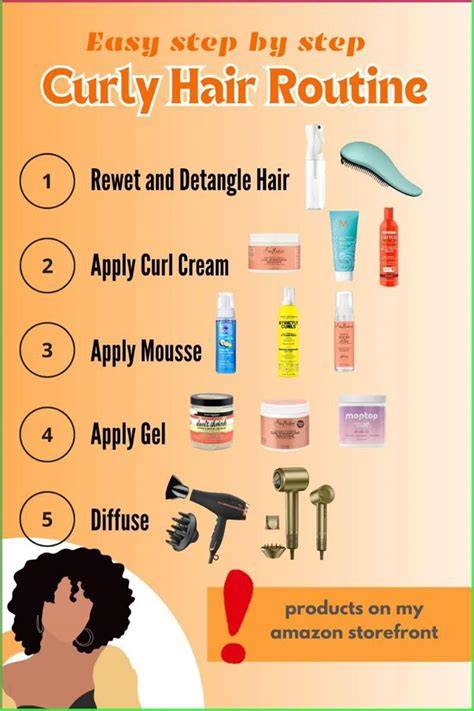
Infographics showing the layering order and moisture retention can help readers implement these steps. A simple diagram illustrating the sequence-shampoo, conditioner, leave-ins, butter, oil-could be valuable. A short tutorial video demonstrating the butter's application on type 4 hair would also be informative.
Summary of Key Points
- Curl butters provide rich moisture and improve definition, especially for tighter curl patterns.
- Butters should be layered after leave-ins and before oils to maximize penetration and sealing in moisture.
- Oils can be lightweight and help seal moisture without leaving hair greasy when used appropriately.
- Adjust usage based on hair type, porosity, and seasonal dryness to avoid buildup or heaviness.