Achieve Your Goals with Dr. Did you know it’s normal to shed between 50 and 100 hairs a day? Dr. Steffes offers effective hair loss treatments for men and women in Wisconsin and nationwide. He'll develop a personalized treatment plan to help you achieve the long-lasting, thicker hair you've always wanted. It’s common to lose hair as you age and your family history is an indicator. Androgenic alopecia is commonly referred to as balding. Hair loss of this nature starts slowly and gradually through the thinning of the hair. Your diet affects hair growth. Hair loss can be a side effect of certain drugs. A sudden, stressful event or emotional shock may cause hair loss. Permanent or temporary hair loss occurs from shifting conditions within the body. Hormonal changes from pregnancy, childbirth, or menopause often affect hair growth. Frequent hairstyling and tight hairstyles can lead to hair loss.
Minoxidil and Finasteride are the most clinically proven medical therapies to prevent hair loss and regrow hair. Both are available orally or topically with a visit to Dr. Clinically tested hair supplements combat thinning hair. Daily use may reduce hair shedding in 2-3 months. Dr. Steffes is a very kind, personable and knowledgeable doctor that I would highly recommend. Had my first visit with Dr Steffes and was very pleased with the entire experience. Dr. Steffes has been our family dermatologist for a few years now. We don’t mind driving from Fond du Lac to his new West Bend location. Awesome!
Hair loss assessment and treatment require a personalized approach. At UCLA Health Hair and Scalp Disorder Clinic, board-certified dermatologists specialize in diagnosing and treating all types of scalp and hair disorders, emphasizing expert and personalized care in a safe and caring environment. What Causes Hair Loss? Hair loss can happen for many reasons, and it can affect people physically and emotionally. Your genes, hormone levels, stress, certain medications and other medical conditions can all contribute to hair loss.
Common Causes of Hair Loss
Androgenetic alopecia, often referred to as male or female pattern hair loss, is a hereditary form of hair loss caused by hormonal and other age-related changes. In men, it often appears as a receding hairline and thinning on the crown, while women generally experience thinning throughout the scalp, especially at the middle hair part. Alopecia areata is a skin condition where the body's immune system targets its own hair cells, leading to patchy hair loss on the scalp. Telogen effluvium is a temporary form of hair loss that happens when hair follicles enter the resting phase too early, usually due to severe stress, infection, surgery, nutritional deficiencies or certain medications. Most people’s hair grows back once the underlying cause is addressed.
Hair Loss Treatment Options
- Topical medications (liquid solutions, foams or oils applied to the scalp) such as minoxidil and topical corticosteroids. Advantages: direct application; minimal systemic side effects. Drawbacks: requires consistent application; results typically take 6-12 months.
- Oral medications (pills) including finasteride, spironolactone, minoxidil, or immunosuppressive medications. Advantages: can treat extensive hair loss; some regrowth. Drawbacks: potential systemic side effects; not suitable for everyone, especially pregnant women and those with other conditions.
- Injections (corticosteroids into the scalp). Advantages: targeted treatment; can show promising results for certain types of hair loss. Drawbacks: discomfort during injections; potential side effects like skin thinning.
- Laser therapy (low-level lasers to stimulate hair follicles). Advantages: non-invasive; can be used with other treatments; home use possible. Drawbacks: results vary; cost.
- Wigs, hairpieces and camouflage (cosmetic solutions for immediate appearance benefits). Advantages: variety of styles; immediate solution. Drawbacks: maintenance; may not feel as natural as real hair; cost.
What to Expect at a Hair and Scalp Clinic: Before Your Visit, Diagnosis, and Treatment
Before Your Visit
- Remove hairpieces or camouflage products to allow a clear view of the scalp and hair.
- Complete the hair questionnaire prior to or during the visit.
- Bring previous biopsy and lab results (thyroid, vitamin D, iron, etc.).
- Discontinue biotin supplements temporarily to avoid interference with tests.
- Shampoo as usual; we will evaluate the current state of scalp and hair during the exam.
Step-by-Step: Consultation to Progress Tracking
- Step #1: Consultation A thorough questionnaire and review of medical history help identify potential causes and patterns of hair loss.
- Step #2: Diagnosis Dermatoscopy, scalp biopsy, and laboratory tests (thyroid, iron, vitamin D, hormonal tests) may be used. Most hair loss is not due to a serious medical condition, but accurate diagnosis guides treatment.
- Step #3: Treatment A personalized plan may include topical solutions, oral medications, or advanced therapies. Note: some clinics do not offer hair restoration surgery or PRP on-site but can refer to trusted specialists.
- Step #4: Progress tracking Photographs of the scalp track changes over time; visible improvements often accompany reduced shedding and thicker hair with consistent therapy.
Additional Considerations: Nutritional and Lifestyle Aspects
Hair loss can be influenced by diet, stress, hormonal changes from pregnancy or menopause, and tight hairstyles. Hormonal hair loss (androgenetic alopecia) is the most common type in men and women, affecting about 50% of men by age 50 and up to 40% of women by age 50. Genetics is only one possible cause; medications, internal conditions, and nutritional factors also play a role.
Scientific Treatments and Supportive Care
Several clinics offer evidence-based medical protocols to stabilize thinning and promote regrowth. Platelet-Rich Plasma (PRP) therapy is used to deliver growth factors that stimulate hair growth non-surgically. It is considered a safe, steroid-free approach that can be combined with other therapies to increase hair density. PRP typically requires multiple sessions, with noticeable improvements often seen after a few months.
Patient Experience and Personalized Care
Effective hair loss management relies on individualized evaluation of patterns and severity. Early intervention is often key to preserving follicles while they remain responsive to treatment. A compassionate dermatologist will explain options, set realistic expectations, and tailor a plan to each patient’s needs and goals.
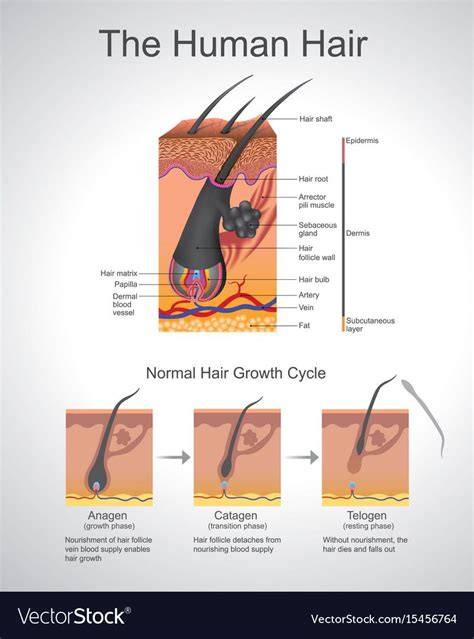
Every Type of Hair Loss Explained (20 Common Hair Loss Conditions)
If you’re looking for care in the United States, renowned clinics emphasize thorough diagnosis and thoughtful treatment planning. This includes understanding patient history, examining the scalp, and determining whether tests such as blood work or a scalp biopsy are needed to guide therapy. The right treatment plan may involve a combination of topical, oral, and advanced therapies, with ongoing monitoring to adapt to progress and response.
tags: #best #dermatologist #for #hair #loss