OverviewRogaine (minoxidil) has been a go-to product for head hair regrowth for many years. Typically used for hereditary hair loss, Rogaine works by generating hair regrowth while also preventing further hair loss. But there’s buzz on the internet that the product may work on eyebrows too. Sparse eyebrows are common with age, but they can also be linked to underlying health conditions, such as hypothyroidism. Rogaine isn’t an established treatment for eyebrow hair loss, and it hasn’t been approved for this purpose. Still, some people insist that it works wonders. Here’s a closer look at what the research says about this trendy eyebrow treatment.
Rogaine traditionally works by generating new hair growth at the scalp. While Rogaine isn’t designed for eyebrows, researchers are looking at the role of minoxidil for the treatment of eyebrow hypotrichosis (sparse or thin hair). One study looked at the efficacy of minoxidil 3 percent for eyebrows and compared it to another hair loss treatment called bimatoprost (Latisse) in a 0.03 percent concentration. After 16 weeks, about 50 percent of participants saw hair regeneration nearly equally with both products. Based on this one clinical study, Rogaine appears to modestly increase eyebrow growth and is comparable to Latisse. A subsequent study compared Rogaine with a placebo to see if minoxidil can really treat eyebrows. Forty participants applied a 2 percent concentration to their brows over a period of 16 weeks. At the end of the study, participants who used Rogaine saw better results overall. The researchers deemed that, based on these results, Rogaine can be a safe and effective treatment for eyebrows.
Rogaine comes in 2 percent to 5 percent concentrations. Start with a 2-percent concentration. Your dermatologist can help you determine if you need to increase the strength if you’re not getting the desired results. To work effectively, Rogaine must be applied daily. Discontinuing the product or applying it just once in a while can actually disrupt the process by leading to hair loss but no regrowth in its place. Apply carefully with either a small cosmetic stick or cotton swab. Wash hands thoroughly when you’re done.
Rogaine is designed for hair on the head, and one of the most common side effects at this location is scalp irritation. These effects can also occur on other parts of the skin where the product is used. The skin around your eyebrows (especially around the arches) is also likely at risk because it’s a more sensitive area. Side effects from applying Rogaine to your eyebrows may include: burning, dryness, itchiness, redness, scaling. Still, researchers in one study on minoxidil and eyebrows noted minimal side effects from the product. It’s also possible to accidentally get the product on other parts of your face. As a result, you may end up seeing hair growth in these areas. You can help minimize this risk by using a cotton swab for a more precise application around the eyebrows. It’s crucial that you don’t get the product in your eyes. If this happens, flush your eye immediately. If you have pain or swelling that persists, go to an emergency or urgent care center.
Rogaine may be harmful if used during pregnancy or breastfeeding. If you’re pregnant or breastfeeding, talk with your doctor before using Rogaine. You should also take precautions if you have sensitive skin or skin conditions, such as eczema and rosacea. Depending on the severity of your thinning eyebrows, you may make some lifestyle changes or see a dermatologist for treatment. Be sure to brush your brows with a spoolie (eyebrow brush) every day. You should also avoid over-grooming with waxing or plucking. While it’s a good idea to fill in your eyebrows with a brow pencil, you don’t want to press too hard during the application - this can cause more tears to the hair follicles.
Laser treatments, hair transplants, platelet-rich plasma (PRP) therapy, Latisse, supplements (such as folic acid and omega-3 fatty acids), and other hair loss medications (such as finasteride and spironolactone) are among alternatives for thinning brows. For thinning brows, Rogaine is being touted online as a way to help regrow eyebrow hairs from the comfort of your own home. There’s not a lot of evidence to support this use, but studies done so far suggest that it may modestly improve eyebrow hair growth. It needs to be applied carefully so it doesn’t get in the eyes or other parts of the face. And some people can experience skin irritation where it’s applied. Hair growth on any part of the body requires a bit of time and patience. According to the American Academy of Dermatology, it takes about a year to see full results from using Rogaine on a daily basis. As your hair goes through the regeneration process, you may see increased hair loss within the first two months, and then slowly start seeing hair regrowth. Recently, minoxidil-which is widely known for its ability to promote hair development on the scalp-has drawn interest for its possible involvement in boosting the density and growth of eyebrow hair. A topical medication called minoxidil was first created to treat high blood pressure. Later research revealed that it stimulates hair growth, which led to its application in androgenetic alopecia products for both males and females. Minoxidil offers promise for boosting brow development based on scientific principles and human feedback. Even though results could differ from person to person, the advantages of more thickness and density make it an appealing option for those who want to enhance their brows. Existing studies and anecdotal evidence suggest that minoxidil can be an effective treatment for stimulating eyebrow development, while further study is required to create thorough guidelines for its use in eyebrow enhancement.
Key benefits and how minoxidil works for brows
- Increased Hair Density: Minoxidil promotes hair density by stimulating dormant follicles to enter the growth phase.
- Encourages Hair Growth: It pushes follicles toward the anagen (growth) phase, supporting thicker brows.
- Prolongs the Anagen Phase: By extending the growth phase, existing eyebrow hairs can grow longer and thicker.
- Non-Invasive: Compared with transplants or microblading, minoxidil offers a non-invasive option.
- Time to Results: Quick effects may appear after 8-12 weeks, with optimal results around 6 months.
How to use minoxidil on eyebrows safely
- Preparation: Cleanse your eyebrows to remove makeup and oils; dry completely before applying.
- Formulation: Choose between 2% or 5% minoxidil; the 5% version is often more effective but may cause more irritation.
- Application: Use about 1 mL per application, applied with a dropper close to the skin or with a clean cotton swab to target sparse areas.
- Post-Application Care: Allow drying fully and avoid washing the area for at least 4 hours after application.
- Frequency: Apply twice daily, morning and night, for best effects.
- Hygiene: Wash hands before and after use to limit contamination.
- Monitoring: Watch for redness or irritation and discontinue if severe adverse reactions occur.
Preparation and ongoing use require patience and careful technique. Use a gentle cleanser, select the right formulation, apply carefully to avoid the eyes, and maintain a consistent regimen. With persistence, many users report increased brow fullness and density over time. Individual results vary based on baseline brow thickness, skin sensitivity, and adherence to the regimen.
Practical tips and safety considerations
- Apply with a cotton swab for precision and to minimize spread to non-target areas.
- Avoid contact with eyes; flush immediately if the product gets into the eyes.
- People with sensitive skin or conditions like eczema or rosacea should consult a dermatologist before starting.
- Pregnancy and breastfeeding require medical advice before use.
- Discontinuation often leads to resumption of hair loss on treated areas; consistency is crucial.
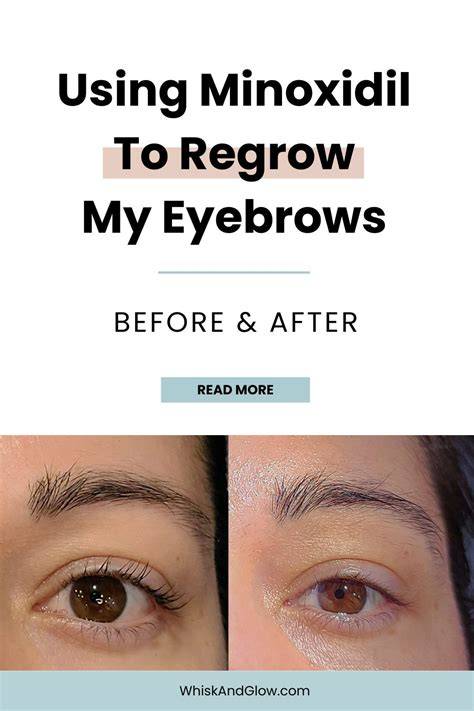
In the broader landscape of brow enhancement, several options exist alongside minoxidil, such as Latisse (bimatoprost), laser treatments, PRP therapy, and cosmetic solutions. While Latisse is an established product for lash and brow enhancement, minoxidil remains a non-approved off-label option for eyebrows. Consumers should weigh the modest potential benefits against possible side effects and the commitment required for consistent use. For some, combining topical treatment with lifestyle adjustments and professional guidance yields the best chances for thicker, fuller brows over time.
Can Minoxidil Help YOU Grow Your Eyebrows?!
Summary for readers considering eyebrow regrowth: minoxidil can modestly improve eyebrow growth in some individuals and is comparable in certain studies to Latisse, though evidence is limited and not universally applicable. When used carefully, with proper dosing and safety precautions, it offers a non-invasive option for those seeking increased brow density and a fuller appearance. Expect gradual changes over several months, and consult a dermatologist to tailor the regimen to your skin type and brow pattern.