Hairspray can be a lifesaver for styling, but its residue often leaves hair dull, stiff, and hard to manage. This guide dives into the best shampoos and methods to remove hairspray build-up effectively, while considering the needs of silver-haired and curly-haired individuals. Clarifying vs. chelating ingredients are explained, so you can choose products that target buildup without over-drying or harming color-treated or delicate hair textures.
Understanding Clarifying and Chelating Shampoos
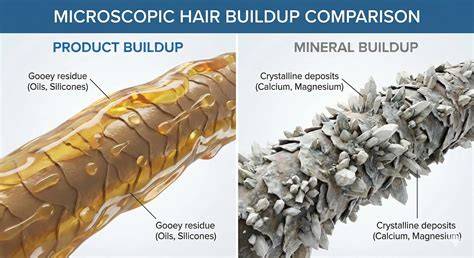
Understanding Clarifying vs. Chelating ingredients bind to minerals in your hair. These minerals come from hard water, well water, chlorine, and similar sources. They’re not easy to remove with basic clarifying ingredients alone. Here’s the key: All clarifying shampoo clarifies, but not all clarifying shampoo chelates. Throughout this post, when I mention clarifying ingredients, I’m referring to ingredients that remove product buildup from your hair care routine.
What Builds Up on Hair and Why It Matters
What Is Product Build-up? To know how to remove hairspray build-up, it helps first to understand what causes it. Any hair product - conditioner, serum, hairspray, or something else - coats the hair cuticles. This fine layer can be beneficial in some cases. Conditioners and serums strengthen the hair shaft and protect it from heat damage and pollution. However, you'll see adverse effects when you have several layers of product on your hair. A wholly sealed cuticle can't absorb nourishment, and the build-up weighs down hair over time. Therefore, knowing how to remove hairspray and other product build-up is crucial to maintain your hair health.
Hairspray can leave a white dandruff-like residue behind, which builds up and leaves the hair unmanageable. It's essential that product build-up be reduced, either with or without washing, to ensure nourished, manageable hair.
How to Reduce Product Build-Up
With the information above, knowing how to remove hairspray build-up on hair - with and without washing - is clearly a key part of ongoing hair care. Standard shampoos can remove a normal quantity of oil and particles, such as dead skin, but alone, they aren’t strong enough to remove product build-up. You’ll need to use a clarifying shampoo or scalp scrub to achieve a deep clean. These products contain high amounts of SLS, detergents, and powerful exfoliating ingredients to thoroughly get rid of any build-up on the hair.
If you are set on using shampoo to remove hairspray build-up, use it as part of a hair care routine that targets dirt, debris, and build-up so you can enjoy healthier, shinier hair much faster. You can combine these clarifying shampoos with natural remedies without washing, such as apple cider vinegar, baking soda paste and lemon juice, to further combat and get rid of hairspray build-up.
The Best Shampoos to Get Hairspray Build-Up Out of Hair
- Christophe Robin Cleansing Purifying Scrub: a bestselling scrub that detoxifies the scalp by scouring away dead skin cells, hard water build-up, excess oil, and flakes. Regular use minimizes overproduction of oil, itchiness, and irritation. Note: do not use in conjunction with keratin treatments or after bleaching.
- R+Co Oblivion Clarifying Shampoo: removes color-dulling residue and build-up from chlorine, hard water, and styling products without excessive washing. Mild enough for daily use and balances excess oil without drying the hair.
- O&M Original Detox Shampoo (also usable as a clarifying shampoo): designed to neutralise excess oil, with peppermint for scalp cleansing and tea tree for antiseptic properties. PETA approved and suitable for thorough removal of build-up while remaining gentle enough for regular use.
- Other clarifying formulas: look for products that suds well, have a refreshing scent, and clearly state chelating or mineral-removal capabilities. Some shampoos may be excellent at removing mineral build-up but must be used sparingly to avoid drying silver or low-porosity hair.
Performance notes you may encounter across products include: high foaming with multiple washes, or single-wash efficacy with excellent suds and a lighter scent. Some formulas may be very clarifying but can be stripping if used too often, especially on porous or silver hair. Always follow clarifying washes with deep conditioning to restore moisture.
How Often to Clarify and How to Use
Clarifying shampoos can dry your hair over time, so we recommend you use them only about once a week to get rid of build-up, depending on how often you wash your hair and how many styling products you use. If you are concerned about this effect, you can learn how to remove hairspray from hair without washing, instead opting for salt scrubs and other natural remedies. To maintain moisture, consider using a deep conditioning treatment after a clarifying shampoo, such as evo the great hydrator moisture mask 150ml.
To remove stubborn hairspray build-up, use a clarifying shampoo or scalp scrub to strip residue, then follow with a deep-conditioning mask to restore moisture. When combined with a color-safe routine, these steps help preserve silver tones and curly texture while keeping hair clean and resilient.
No-Wash Remedies and Complementary Steps
You can also explore no-wash approaches like apple cider vinegar rinses or baking soda pastes to supplement clarifying efforts. However, these should be used judiciously, especially on silver and curly hair, to avoid over-drying or altering texture. After any clarifying step, always apply a deep conditioner or mask to restore moisture and softness.
Practical Tips for Silver Hair and Curly Hair
- Silver hair can be more prone to dryness after clarifying; always follow up with a rich conditioner or mask to maintain moisture and shine.
- Curly hair benefits from extra sealing in moisture after clarifying; use a moisturizing mask or leave-in conditioner to support healthy curl pattern.
- Choose clarifying products with mild or balanced surfactants and avoid over-clarifying, which can lead to frizz or dullness in color-treated or silver hair.
Applied Examples and Usage Scenarios
Good Examples: a product that suds great and acts like a normal shampoo, formulated with about 4% sulfate concentration to balance cleansing power without excessive harshness. Pair with a matching conditioner or a clay clarifying mask for enhanced mineral removal and build-up reduction.
To remove hairspray build-up quickly, you can use a clarifying shampoo designed for mineral removal, then follow with a deep-conditioning mask such as evo the great hydrator 150ml. In practice, some readers report success with both professional clarifiers and well-formulated drugstore options when used thoughtfully and in rotation with preventative conditioning.
Additional Considerations and Safety
Good clarifying practices include avoiding over-washing, using mild formulations when color or sebum balance is a concern, and ensuring any clarifying routine is complemented by conditioning treatments. If you have sensitive scalp, consider milder scrubs or scalp-balancing formulas and reduce frequency to once every two weeks if needed.
Note: Do not use clarifying products in conjunction with treatments that could be compromised by strong cleansers (e.g., certain keratin treatments or recent bleaching). Always follow with a suitable conditioner or mask to protect moisture and reinforce cuticle integrity.
Clarifying Shampoo Makes Your Life Easier
In practice, a good approach combines a clarifying shampoo for mineral and product build-up removal with regular deep conditioning to maintain moisture, especially for silver and curly hair textures. This combination helps hair feel clean, look bright, and maintain curl definition without excessive dryness.