Introduction to Hair Growth and the Role of Vitamins. All vital amino acids (Vitamins) are by definition essential nutrients that the body needs to maintain health overall, and hair health in particular. The complete absence of any vitamin will lead to illness and even death. However, outside of undeveloped countries, extreme diets and specific diseases, vitamin deficiency severe enough to cause disease is very rare, and this includes hair loss. Menstruating women who do not consume enough iron-containing foods are often iron deficient and should supplement, and people like me who live in Cleveland or similar cloudy locations should assume they are deficient in Vitamin D and supplement accordingly. Most vitamins are readily available in our diets, and inexpensive oral supplements can be used to ensure adequate levels are available for our bodily functions. Excess intake of vitamins can cause disease states as well or are eliminated from the body unused, so in spite of the availability of heavily promoted nutrient supplements claiming to improve hair growth and quality, the consumer should be cautious and seek the most cost-effective options.
Key Vitamins for Hair Growth
Biotin
Biotin is a critical vitamin for healthy hair growth, and deficiency will lead to thinning hair. However, biotin deficiency is very rare and almost always associated with an inherited disorder called biotinidase deficiency. Biotin deficiency has never been reported in healthy individuals with a normal diet, and there is no evidence that biotin supplements will help grow hair in the absence of a documented deficiency. Acquired biotin deficiency may occur with raw egg consumption, alcohol use disorder, pregnancy, and isotretinoin and antibiotic use. Notably, excess biotin intake may interfere with a number of important lab tests, including thyroid and other hormone tests such as pregnancy tests.
Natural Sources. Biotin deficiency is very rare because biotin is found in eggs, liver, wheat and oat cereals, several vegetables, rice, and dairy products, so even vegetarians and vegans can fulfill their body’s need for this vitamin.
Recommended Daily Intake. The FDA does not have a recommended daily allowance (RDA) for biotin. However, most sources state that a daily intake of 30 mcg is sufficient to prevent deficiency. Biotin remains commonly recommended by hair loss specialists at doses up to 5,000 mcg.
Excess Intake Risks. There are no reports of biotin toxicity even at very high doses of 100,000 mcg per day. However, there is also no evidence to support such doses for the treatment of hair loss or any other condition.
Vitamin D
Vitamin D plays an important role in healthy hair development as well as in many other physiologic processes, so deficiency may have detrimental effects. However, exactly how deficiency impairs hair growth is unknown. There are reports in the literature of successful hair regrowth after correcting Vitamin D deficiency, but in areas such as the northeast US, where Vitamin D deficiency is very prevalent, supplements rarely bring clinical benefits. Hair loss specialists who regularly screen for Vitamin D levels help patients attain normal levels for all of its potential benefits.
Natural Sources. Dietary Vitamin D is most easily obtained through fortified foods such as milk, yogurt, orange juice, and cheese, in fatty fish including sardines, salmon and tuna, and in egg yolks and mushrooms. The prevalence of Vitamin D deficiency suggests that most people do not consume adequate dietary Vitamin D, nor have sufficient sun exposure for adequate skin conversion of Vitamin D.
Recommended Daily Intake. Most experts recommend a daily Vitamin D intake of 2,000-5,000 IU for adults, and checking Vitamin D blood levels at least annually in order to make appropriate adjustments in intake. Severe deficiency can be treated with high-dose prescription strength Vitamin D for short periods of time.
Excess Intake Risks. Severe Vitamin D deficiency is defined as blood levels of 20 ng/ml or less, mild deficiency at 30-50 ng/ml, and normal levels at 50-70 ng/ml. Levels above 80ng/ml are excessive, and severe toxicity, known as hypervitaminosis D or vitamin D intoxication occurs at levels above 150 ng/ml. This would require extremely high daily doses over a long period, with symptoms including bone pain and kidney problems, such as the formation of calcium stones. Progression to confusion, apathy, recurrent vomiting, abdominal pain, and dehydration may occur if supplements are not stopped.
Vitamin A
Vitamin A is an essential nutrient critical to normal vision, gene expression, reproduction, embryonic development, growth, and immune function. Both deficiencies and excess levels can contribute to disease states, and for hair, in particular, deficiency can lead to follicular hyperkeratosis. Vitamin A is part of a family of compounds including retinal, retinol, retinoic acid and carotenoids. Vitamin A deficiency is rare outside of developing countries and is unlikely to play a role in hair loss for the majority of patients. Notably, high intake of Vitamin A during pregnancy may be associated with birth defects.
Natural Sources. Vitamin A is found in a variety of meats, fish and vegetables, including carrots, salmon, kale, sweet potatoes, spinach, dried apricots, broccoli, butter, butternut squash, cantaloupe, mango, red bell pepper, goat cheese, peas, cow’s milk, tomato, beef liver, pumpkin, eggs and grapefruit. Vitamin A is fat soluble and extensively stored in the liver, so for most people even prolonged periods of inadequate intake will not lead to clinical deficiency.
Recommended Daily Intake. The RDA for vitamin A is 900 mcg RAE per day for men and 700 mcg RAE per day for women. This is equivalent to 3,000 IU for men and 2,333 IU for women.
Excess Intake Risks. Vitamin A toxicity is rare, with the most severe examples occurring after ingestion of polar bear liver, which can be fatal. Excess supplementation over 10,000 IU per day may produce symptoms including blurred vision, nausea, vomiting, dizziness and headache, nervous system effects, liver abnormalities, fatigue, muscle weakness, bone and skin changes and others.
Vitamin C
Vitamin C is another essential nutrient required for the biosynthesis of collagen, L-carnitine, and certain neurotransmitters, and is also involved in protein metabolism. Collagen and other proteins are important for healthy hair growth. Vitamin C helps the absorption of plant-based iron, another important nutrient for healthy hair growth. Severe Vitamin C deficiency produces scurvy, a life-threatening disease that includes follicular hyperkeratosis and corkscrew hairs. Smokers have impaired Vitamin C absorption and need greater dietary intake.
Natural Sources. Natural sources of Vitamin C include all citrus fruits, red and green bell peppers, tomatoes, broccoli, brussels sprouts, potatoes, spinach, green peas, cantaloupe and strawberries.
Recommended Daily Intake. The RDA for Vitamin C is 90 mg daily for men and 75 mg daily for women, with higher intake during pregnancy and lactation.
Excess Intake Risks. Excess Vitamin C intake does not generally cause toxicity, but can result in gastrointestinal distress, insomnia, headaches and rarely kidney stones. Most excess Vitamin C is excreted unmetabolized in the urine.
Vitamin E
Vitamin E is best known for its role as an antioxidant and ability to reduce oxidative stress. Oxidative stress plays a role in many disease states and occurs naturally in the body as well as externally from environmental factors. While its direct role in hair growth is poorly characterized, adequate intake of Vitamin E is beneficial and important for overall health.
Natural Sources. Natural sources of Vitamin E include wheat germ oil, avocados, almonds, mangos, sunflower seeds, peanut butter, bell peppers, fish and some meats. However, rather large quantities of these foods would be required to satisfy daily needs, so oral supplements are a simpler method of maintaining adequate daily intake.
Recommended Daily Intake. The RDA for Vitamin E is 15 mg (22.5 IU) daily for men and women.
Excess Intake Risks. Toxic doses of Vitamin E begin at 20 times the RDA and may produce symptoms including nausea, diarrhea, stomach cramps, tiredness, dizziness, blurred vision and headache.
Folic Acid
Folic Acid is a B vitamin and is one of the few vitamins that have a very specific potential benefit for hair growth in that it helps regulate keratin production, which is the primary protein of the hair shaft. A deficiency of Folic Acid may lead to thinning of the hair shafts as well as overall hair loss. However, there is little evidence that Folic Acid supplementation produces clinical benefits in most patients with hair loss. Individuals at greater risk of Folic Acid deficiency include those with alcohol use disorder, pregnant women, and those with malabsorptive disorders.
Natural Sources. Natural sources of Folic Acid include vegetables (especially dark green leafy vegetables), fruits and fruit juices, nuts, beans, peas, seafood, eggs, dairy products, meat, poultry, and grains. Spinach, liver, asparagus, and Brussels sprouts are among the foods with the highest folate levels.
Recommended Daily Intake. The RDA of Folic Acid is 400 mcg for both men and women, with higher intake during pregnancy and lactation.
Excess Intake Risks. Excess folic acid is excreted in urine. A high folate intake can mask vitamin B-12 deficiency until its neurological effects become irreversible.
Iron
The most common nutritional deficiency in the world is iron deficiency, and iron deficiency is common in women with hair loss. However, the association between hair loss and low serum ferritin levels remains controversial. While testing for and correcting iron deficiency is always prudent, significant improvement in hair loss in these individuals cannot be assured.
Natural Sources. Iron is found in many natural sources, including meat, fish, poultry, fruits, vegetables, grains, and more.
Recommended Daily Intake. The RDA for all age groups of men and postmenopausal women is 8 mg/day; the RDA for premenopausal women is 18 mg/day.
Excess Intake Risks. The upper limit for safe iron intake is 45 mg per day for adults. Excess iron is deposited in organs throughout the body and can cause organ damage due to the formation of reactive oxygen species. Extremely high doses can cause organ failure, coma, convulsions and death.
Magnesium
Magnesium helps support normal hair shaft growth by supporting enzyme function in DNA and RNA synthesis and in keratin production. While magnesium deficiency is suspected to play a role in hair loss, strong evidence is lacking. Most people obtain enough magnesium from diet and do not need supplements.
Natural Sources. Magnesium is found in bananas, leafy green vegetables, fruits, beans, soy products, seafood and dairy.
Recommended Daily Intake. The RDA of magnesium for adults is 400-420 mg per day for men and 310-320 mg per day for women.
Excess Intake Risks. Magnesium toxicity is rare but can cause irregular heartbeat, low blood pressure, confusion, slowed breathing, coma and death.
Zinc
Zinc is an essential trace element, and severe zinc deficiency is associated with hair loss in infants with poor nutrition, malabsorption conditions, alcohol use disorder and pregnancy. The role of zinc in most forms of hair loss is poorly established, and supplements do not reliably result in hair growth in most individuals.
Natural Sources. Zinc sources include oysters, meat, eggs, fish, nuts and dark chocolate.
Recommended Daily Intake. The RDA for adults is 8 mg/day for women and 11 mg/day for men.
Excess Intake Risks. Excess zinc intake can cause nausea, vomiting, loss of appetite, abdominal cramps, diarrhea and headaches.
Other Essential Nutrients and Considerations
Proteins and collagen support hair shaft growth, while omega-3 fatty acids benefit scalp circulation and follicle nutrition. Selenium supports antioxidant protection in hair follicles, and pantothenic acid (B5) aids in cell metabolism. A healthy, varied diet provides most of these nutrients, and supplementation is often unnecessary unless deficiencies are identified by a clinician.
Choosing the Right Supplements
With rare exceptions, a varied and healthy diet makes supplementation unnecessary for most individuals. When supplements are desired, multivitamins or individual vitamins are available and inexpensive, but beware heavily marketed “hair loss” products that lack scientific credibility. Anyone experiencing hair loss should first see a health care professional such as a Board-Certified Dermatologist for a thorough examination and assessment. Early intervention with the correct medications and supplements should provide the best long-term benefits.
Expected Results and Timeline
Unfortunately, improvement in hair growth rate and quality can take months to become noticeable, as individual hair shafts grow only about 1 mm per day. When beginning a treatment program, patience is needed and status checks should be considered every three months or so. Individual results vary, and supplements work best when addressing a genuine deficiency.
Expert Opinion and Practical Guidance
As a hair loss specialist with extensive experience, I have seen and tried many products and procedures. Millions of people experience hair loss due to genetics, aging, or hormones. Treatments and vitamins such as those discussed, including considerations of saw palmetto, botanicals, and omega-3s, can support hair health but are not miracle cures. Dermatologists caution against excessive biotin supplementation due to potential bloodwork interference. Placing emphasis on a balanced diet, appropriate medical assessment, and evidence-based interventions yields the best outcomes for hair health.
Should I try a hair supplement? If you’re seeking targeted support for hair growth, a well-formulated product containing key ingredients like biotin, vitamin D, zinc, iron (when deficient), omega-3s, and antioxidants may help, especially if dietary gaps exist. However, supplements are most effective when a deficiency is present, and third-party testing can help verify quality. Consulting a dermatologist or physician ensures alignment with your goals and helps identify underlying medical conditions contributing to hair loss.
Incorporating vitamins into a daily routine can be as simple as adding a supplement to a morning regimen or pairing it with a balanced meal. A comprehensive dietary supplement designed to support healthy hair growth can provide essential nutrients that may help strengthen hair follicles and nourish the scalp. For those interested in exploring a wider range of options, many reputable brands offer formulations focused on scalp health and hair strength.
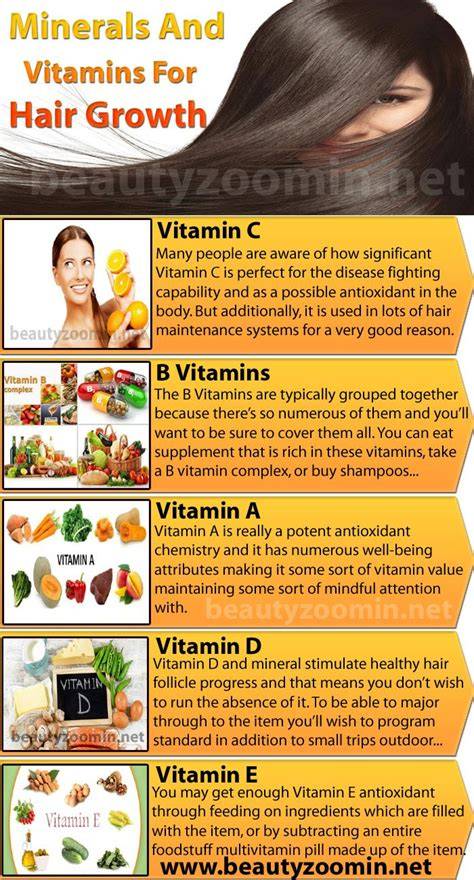
Evidence-Based Nutrients at a Glance
- Vitamin D - supports hair cycle regulation and follicle health; deficiency linked to impaired hair growth in some individuals.
- Biotin (B7) - essential for keratin production; deficiency is rare and supplementation mainly benefits those with documented deficiency.
- Iron - critical for oxygen delivery to hair follicles; deficiency common in menstruating women and can contribute to shedding.
- Zinc - supports follicle repair and sebum production; effects on hair loss are variable.
- Vitamin C - antioxidant that supports collagen synthesis and iron absorption.
- Vitamin A - supports sebum production; excess can be detrimental to hair health.
- Vitamin E - antioxidant protecting follicle membranes from oxidative stress.
- Magnesium - involved in protein synthesis and hair shaft formation; most people do not need supplementation.
- Omega-3 fatty acids - beneficial for scalp health and inflammation; not a direct hair-growth agent for everyone.
- Selenium - antioxidant support; adequate dietary intake is typically sufficient.
Bottom Line for Readers
Vitamins and minerals play a role in maintaining healthy hair, especially when deficiencies exist. For most people, a balanced diet provides the majority of these nutrients. When considering supplements, choose evidence-based formulations, consult a clinician, and set realistic expectations about timelines and outcomes. The best results come from addressing deficiencies, maintaining overall health, and combining nutritional support with appropriate medical treatments if needed.