Biotin hair spray has entered the arena, taking social media by storm. Many individuals who have used biotin sprays claim they have seen great benefits to their hair, like improved length, texture, and shine, but is this true? While biotin is often taken as an oral supplement, what exactly is biotin spray?
Biotin spray is a liquid product that contains biotin and is applied topically to the skin of the scalp for hair growth. Biotin spray often contains other healthy hair-promoting ingredients like collagen and panthenol. With regular application, biotin spray may help to promote increased hair growth, increase the strength of the hair, and improve overall hair health.
What Is Biotin?
Biotin is a water-soluble vitamin belonging to the complex B-vitamin family. Since its discovery in 1927, biotin has proved to be an integral part of nutrition for optimal wellness. For example, biotin is necessary for a whole host of functions in the body, including metabolizing glucose, amino acids, and fatty acids. Biotin also plays a role in regulating gene expression. Studies also suggest that biotin may even be an important nutrient for maintaining healthy hair, skin, and nails.
The human body does not synthesize biotin by itself. This means that biotin must be obtained from synthesis in the intestines by the gut microbiome or via the diet. Foods high in biotin include beef liver, salmon, sunflower seeds, and sweet potatoes.
Biotin Spray: Mechanism and Potential Benefits
Biotin spray is a topical delivery system designed to deposit biotin directly onto the scalp and hair follicles. The topical approach may allow biotin to penetrate hair follicles more readily than oral supplementation in some users, potentially supporting hair growth and quality more quickly. Biotin sprays often incorporate complementary ingredients such as oils and botanical extracts that may moisturize the scalp and promote healthier hair.
Biotin Spray May Promote Healthy Hair Growth
Hair growth occurs through cycles: anagen, catagen, and telogen. The anagen phase, during which hair grows, can last up to five years and up to 90% of scalp hair may be in this phase at any given time. Some evidence suggests biotin may influence the anagen phase, supporting healthier hair growth and potentially improving overall growth rates. Studies have shown that biotin deficiency, though rare, may contribute to hair loss. In one clinic-based study, a notable portion of women with hair loss were biotin deficient. Another randomized, double-blind, placebo-controlled study involving biotin-containing supplements reported significant increases in hair growth and hair quality in the treatment group. More data, including quasi-experimental findings, indicates potential improvements in hair growth metrics and duration of anagen phases with biotin-containing regimens.
Biotin spray may also help prevent hair loss by reinforcing keratin production, the protein that makes up hair strands. In a randomized clinical trial focused on telogen effluvium, biotin-containing regimens showed improvements in hair density and coverage, with reported improvements in hair strength and shine compared with other regimens.
Biotin Spray May Help Improve Hair Quality
Many biotin sprays are formulated with additional beneficial ingredients such as coconut oil, olive oil, or plant extracts like mint or rosemary. These components can contribute to scalp hydration, soothing effects, and possibly enhanced scalp blood flow, which may support hair growth and quality. Topical biotin may allow more direct contact with hair follicles, potentially hastening visible improvements in hair texture, strength, and shininess compared with oral intake alone.
Biotin Spray May Offer More Convenience
For some, daily oral supplements can be easy to forget or inconvenient in busy routines. A biotin spray applied during a morning styling routine offers a straightforward, hands-on approach to incorporating biotin into a hair care regimen without swallowing pills. This convenience can help maintain consistency in applying a product that combines biotin with other beneficial ingredients.
Can Biotin Be Absorbed Through the Skin?
Yes. Studies indicate that topical biotin can be absorbed through the skin barrier and enter the bloodstream, as shown in trials evaluating biotin ointments in healthy individuals and those with skin conditions. This suggests that topical biotin-whether in spray or other formulations-can achieve systemic exposure, supporting the plausibility of topical effects on hair biology alongside local scalp effects.
Biotin Spray in Practice: What the Evidence Suggests
Biotin spray, especially when formulated with supportive ingredients like collagen, panthenol, and nourishing oils, may provide benefits such as improved hair growth, increased hair strength, and enhanced overall hair quality for some users. Real-world reports often highlight increased shine, reduced breakage, and fuller-looking hair, though results can vary based on individual biology, baseline biotin status, and product formulation.
Practical Considerations and Safety
When selecting a biotin spray, consider the following: choose products with transparent ingredient lists, assess the presence of complementary actives (e.g., panthenol, collagen), and check for fragrance or additives you may wish to avoid. As with any topical product, discontinue use if irritation occurs or if you notice adverse reactions. While topical biotin can be absorbed, systemic effects depend on exposure, and biotin requirements are typically met through diet and, if needed, oral supplementation under medical guidance.
How to Use Biotin Hair Spray Effectively
- Apply the spray directly to the scalp and roots, parting the hair to ensure coverage.
- Massage gently to promote absorption and stimulate circulation.
- Let the product dry before styling to maximize its deposition on the scalp and hair shafts.
- Use consistently over several weeks to evaluate changes in hair growth, texture, and overall health.
Notes on Research and Limitations
Research on biotin and hair health includes randomized trials, quasi-experimental studies, and observational data. While some studies report positive outcomes for hair growth and quality with biotin-containing regimens, results can be heterogeneous. It is important to recognize that biotin alone may not address all causes of hair thinning, and hair health is influenced by nutrition, genetics, hormonal status, and overall wellness. Some studies referenced involve dietary supplements rather than topical biotin alone, so direct extrapolation to sprays should be considered with caution.
Visual Aids
Infographic: Biotin Hair Cycle and How Topical Biotin Could Act on Hair Follicles
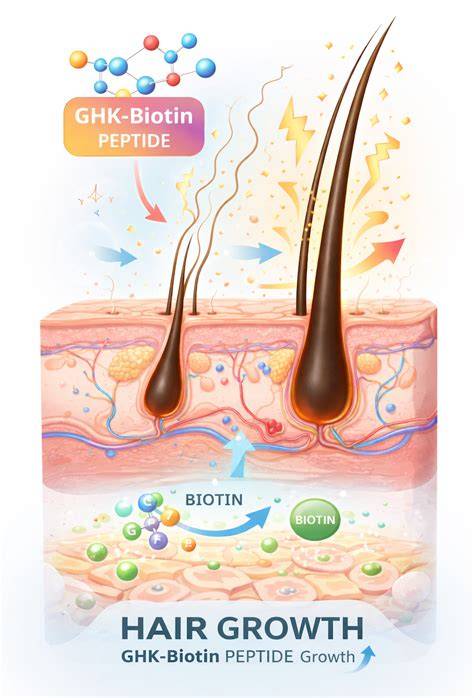
Diagram: How a Biotin Spray Interacts with the Scalp Layer
Table: Selected Studies on Biotin and Hair Health (Summary)
| Study | Population | Intervention | Main Finding |
|---|---|---|---|
| A six-month randomized trial | Women with thinning hair | Biotin-containing supplement | Significant hair growth and quality improvements |
| Telogen effluvium study | Women with TE | Biotin vs keratin formulations | Biotin group showed better hair density and volume |
Video: Mechanisms of Biotin in Hair Follicle Biology
The Science of Healthy Hair, Hair Loss and How to Regrow Hair
Additional Notes
Biotin in topical form is a viral cosmetic product that may promote longer, stronger, shinier, and healthier hair. It may improve hair quality and help prevent hair loss, while offering convenient integration into daily routines.