Long before they entered contemporary fashion, braids and braided headbands carried meaning, communicated identity, and connected communities across Africa. Hair was not merely an accessory but part of identity itself, with styles signaling community, age, marital status, spirituality, and social position. Braiding is one of the oldest hairstyling traditions in the world, with early visual evidence in Tassili n’Ajjer and across archaeological records showing remarkable sophistication in African hairstyling long before European contact.
Across the continent, numerous cultures developed distinct braided traditions. Among the Yoruba, Himba, Fulani, Habesha, Akan, Maasai, Wolof and many others, hairstyles reflected cultural values and identities. There was never a single African braid; Africa contains thousands of communities with diverse practices. Braiding also functioned as an art form and a social practice-parting, braiding, twisting, sculpting, and adornment required skill, patience, and communal collaboration.
Historical context: identity, memory, and diaspora
Scholars argue that Black hair practices do more than express identity-they actively produce community. The salon, the family home, and the braiding chair became spaces where relationships were strengthened and knowledge passed between generations. The transatlantic slave trade intensified hair’s symbolism: many enslaved Africans had their heads shaved, a dehumanizing act that severed visible markers of ethnicity and belonging. Yet across the Caribbean and the African diaspora, hair traditions endured, adapted, and persisted as acts of memory and resilience.
Caribbean braiding traditions transformed African styles in new environments. Protective braids helped retain moisture and reduce manipulation in warm climates, while social rituals-mothers braiding daughters before church, grandmothers braiding before school, friends gathering before Carnival-ensured cultural memory persisted through changing circumstances.
From tradition to fashion: cultural memory in contemporary style
Fashion history teaches that Black hair is not merely natural or neutral; it is interpreted through culture and politics. If fashion is about craftsmanship, identity, adornment, and self-expression, then African braiding traditions belong within fashion history-albeit developed outside traditional fashion institutions. Braid geometry, partings, beads, shells, and metal adornments turn the body into a living sculpture, predating and shaping later fashion discourse.
Around the world, braids have evolved rather than stayed static. Habesha communities in Ethiopia and Eritrea developed Albaso braids-an elegant geometry that continues to inspire today’s wearers. Hairstyles have always communicated community values and personal identity, and the stories of braids-whether about memory, migration, or resistance-remain deeply significant in diasporic memory.
Material culture, care, and variations
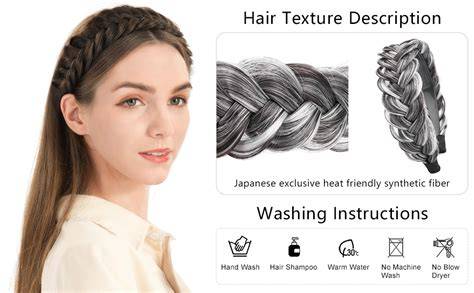
Haircare has always been an art form, with parting patterns, beadwork, cowrie shells, and metal adornments creating striking visual and tactile effects. In modern fashion, headbands-whether braided, beaded, or fabric-based-function as quick, expressive styling tools that can elevate an outfit or evoke nostalgia for childhood memories. Headbands appear across a spectrum of materials-fabric, plastic, velvet, metallics, beads, and faux braids-each with distinct care needs and styling possibilities.
Practicality has always helped braids endure: protective styles reduce manipulation and moisture loss, while social rituals surrounding hair appointments strengthen community ties. Yet practicality alone does not explain their longevity; headbands and braids have repeatedly signaled affiliation, rebellion, elegance, and individuality across eras.
Modern iterations and notable moments
In the 1920s, turbans, headwraps, and silk scarves appeared in fashion as glamorous, feminine accessories. The 1940s popularized headwraps as wartime chic, while the 1950s saw headbands return to ornamental roots. The 1960s and 1970s elevated headbands as symbols of revolution and youth culture, aligning with the broader movement toward personal autonomy and expressive style. Today, headbands remain a versatile staple-from everyday wear to red carpets-demonstrating durability and adaptability across contexts.
Contemporary brands and designers continue to reinterpret headbands for luxury and practicality. Studio Myr, for example, designs luxury headbands and diadems rooted in natural yarns and hand-finished production in Europe. Prada showcased a bold, modern headband at its Spring/Summer 2019 show, illustrating how the accessory can become a power statement in high fashion.
There is a wealth of variation in headbands and braids, reflecting different needs, climates, aesthetic goals, and cultural memories. Some headbands are designed to hold hair tightly with internal teeth or prongs; others emphasize soft textures with velvety fabrics or lightweight bioplastic materials. They can be worn with beehives, updos, ponytails, or loose waves, and can be matched to outfits for formal events or worn casually for everyday life.
When selecting a headband, consider fabric, fit, and skin-safety. Nickel content and hypoallergenic materials matter for sensitive skin, and the choice between metallic, beaded, floral, or minimalist designs should align with occasion, outfit, and personal style. Regular care-clean, tidy storage, and attention to color coordination-helps preserve the headband’s appearance and longevity.
Key takeaways
- Braids are historically rich and diverse across Africa, reflecting identity, community, and memory.
- Headbands are a long-standing, versatile accessory that has evolved across centuries and cultures.
- Modern fashion blends traditional craft with contemporary materials, creating new expressions of style.
Headbands have been a powerful accessory for centuries, offering both practicality and expressive potential. They elevate outfits, evoke moods, and continue to connect wearers with a broader history of Black hair, artistry, and cultural memory.