Going gray is a part of life - it happens to all of us. Whether you just found a few gray hairs or you’ve been gray for a while, it can be hard to accept the change in your natural hair color. Luckily, there are ways to disguise gray hair with highlights and without! How you cover silvery strands depends on what you’re going for. If you’re concerned about gray roots, you can address that with root touch-ups. Highlights treat small patches of gray, while all-over color treats more extensive graying, including at the hairline. Also, keep in mind that how gray hair looks varies from person to person. It depends on your base hair color, if it’s light or dark, and how fast or slow your grays are coming in. If you have blonde hair, you might find it easier to hide gray hair with blonde highlights. No matter what your personal hair situation is, there’s a method out there to effectively hide your grays.
Highlights for Blonde Hair to Mask Gray
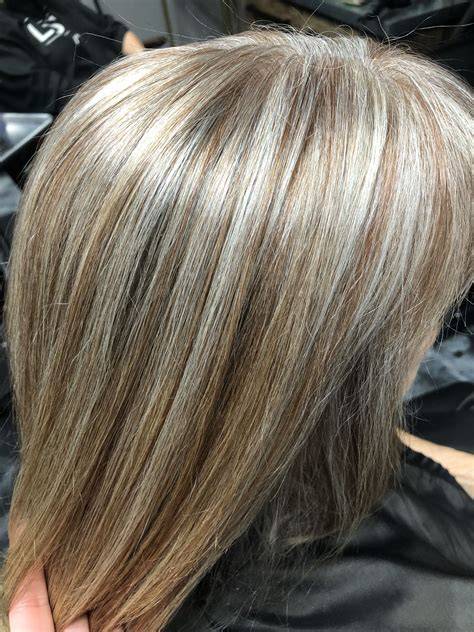
Getting highlights means your hairstylist lightens sections of your hair from root to tip, usually using foils. Blending gray hair with highlights works by lightening the areas around the hairs, so there’s less of a contrast. Babylights are smaller highlights. They’re done to give your hair a sun-kissed look, similar to balayage. This works best with all hair colors, but especially with naturally blonde hair.
One of the strongest advantages of highlights is the ability to target gray patches without a drastic overall change. Highlights and babylights provide diffusion around the grays, reducing the harsh line between regrowth and dyed lengths. Balayage can also be used in tandem to maintain a soft, lived-in look as roots grow in.
Balayage: Freehand Lightening for Natural Blend
Balayage is a freehand highlighting technique. If you have larger areas of gray or dark hair that you don’t want to lighten drastically, balayage can give you more control over the shade you get and your overall look. Similar to how you disguise gray hair with highlights, hair lightened with balayage helps grays blend in or be toned over. This treatment is a good way to prevent any harsh demarcation lines in your hair color as you experience regrowth. Balayage should be touched up every 12 to 14 weeks.
Lowlights: Darker Tones to Hide Gray Naturally
Lightening your hair can help with grays, but did you know that darkening it can, too? Lowlights can help you cover grays or transition to it more naturally. This works best with all hair colors but especially for those with dark blonde or brown hair as well as redheads.
Single-Process Color and Root Touch-Ups
If you want to completely cover your gray hair and maintain your natural hair color, you might want to go for a single-process hair dye or root touch-up. These treatments are called “single-process” because they’re done in one step. Root touch-ups target regrowth and are a quick way to keep gray roots under control between full color sessions.
Glaze and Gloss: Temporary Shine and Gentle Coverage
Another type of color treatment, hair glaze, coats the outside of the hair strands and lasts for about a week. Gloss is different from glaze in that it penetrates the hair cuticle and lasts for about four weeks. Glaze and gloss work for all hair colors, including natural or colored hair. Any color treatment needs to be touched up from time to time, but there are ways to make your results last longer with proper care.
Care and Maintenance to Extend Color Life
Wait longer between washes: Washing your hair less frequently helps your color last longer because washing strips the color. Deep condition your hair to keep it moisturized, which is especially important after a harsh chemical process like highlighting. Reduce heat on your hair, as heat can promote dryness and fade color faster. These steps help maintain a seamless blend as your grays regrow.
Practical Tools for Quick, At-Home Gray Coverage
Root sprays and root powders offer a quick, temporary way to cover gray hairs. They’re applied to the roots and hairline to disguise gray hairs and blend them with your hair color. They wash out after one shampoo and can add fullness at the roots. Semipermanent and demi-permanent dyes provide longer-lasting options without full commitment. Semipermanent dyes tint the surface and wear off over 4-12 washes, while demi-permanent dyes penetrate a bit more and can cover up to about 70% of grays, lasting up to six weeks. These options let you experiment with tones and see what works best for your natural color and grays shift over time.
Celebrity-Inspired Techniques: Blending, Shadows, and Dimensional Blonde
Colorists often blend highlights with a root shadow to diffuse regrowth and create dimension. A popular approach is combining cool blonde highlights with strategic lowlights to soften the line of demarcation as your roots grow in. For lovers of cooler tones, silver or icy blonde shades can be used to create a seamless blend where regrowth becomes less noticeable. Warm browns with golden tones can also work well when blended with blonde highlights to maintain a radiant complexion, especially as your grays emerge.
Transition to Gray Silver Hair Gracefully
Product Spotlight: Tools to Achieve Seamless Grey-to-Blonde Transitions
For up to 100% gray coverage, permanent formulas like Illumina Color or Koleston Perfect are reliable. If you want precise root coverage, Color Xpress offers quick, targeted application for regrowth. Demi-permanent Color Touch provides a softer, more natural blending option with up to 70% gray coverage. For gentle, low-maintenance coverage, SHINEFINITY glosses and glazes can smooth the look without heavy lifting. Always consult with a professional colorist to determine the right products and shade mix for your base color and gray percentage.
Step-by-Step: From Gray to Blonde in the Salon
- Assess the Percentage and Distribution of Gray to decide on the right technique and products.
- Choose a Lightener to add highlights and lift according to the desired level of blonde.
- Select the Best Blonde Color for the Gray Coverage required (semi, demi, or permanent).
- Start color application where gray is most prominent to ensure the strongest patch is treated first.
- Use heat to speed up process if appropriate and safe for the client and product used.
Blending gray with highlights or a root shadow, combined with a carefully chosen blonde shade, can create a natural, sophisticated look that minimizes the appearance of regrowth. Whether you prefer a soft, sun-kissed balayage or a crisp, icy blonde, there are techniques to suit every base color and gray pattern.
Table: Quick Reference for Gray Coverage Options
| Option | Best For | Typical Longevity | Notes |
|---|---|---|---|
| Highlights | Small gray patches | 4-12 weeks | Lightens around gray for diffusion |
| Balayage | Larger gray areas, natural look | 12-14 weeks | Low risk of harsh lines |
| Lowlights | Dark blonde/brown base with gray | Varies | Better blending on dark bases |
| Single-process color | Full regrowth coverage | 6-8 weeks | One-step permanent solution |
| Semipermanent glaze/gloss | Temporary tone adjustment | 4-8 washes | Shine and diffusion, no lift |
For ongoing maintenance, use color-safe shampoos and conditioners designed for color-treated hair. Purple shampoos help neutralize brassiness in cool blonde or silver shades, while leave-in treatments support color integrity and moisture. Regular professional touch-ups keep the transition smooth and prevent stark roots.
Ready to embrace a new shade? Whether you’re aiming for a soft blonde disguise of gray or a bold icy blonde, there are tools and techniques to help you achieve a seamless blend that looks natural and flattering. The best results come from pairing a clear plan with professional guidance and a personalized shade map that accounts for your base color, gray percentage, and styling preferences.