Let’s talk heat, hair, and not wrecking your precious strands. You know the drill: fresh out of the shower, you’re running late, and your blow dryer’s calling your name. Start by gently blotting your hair with a microfiber towel or a soft cotton T-shirt. This is non-negotiable. Heat protectant acts like SPF for your strands-coating them with a barrier that helps prevent heat damage, dryness, and split ends. Spray evenly from mid-lengths to ends, and don’t forget the underneath layers! Give your hair 10-20 minutes to air dry before reaching for your blow dryer. Think of it like preheating your strands-but naturally. Use a wide-tooth comb or your fingers to gently detangle-again, no yanking. Always use a nozzle attachment to direct airflow and reduce frizz. Blow-dry with the airflow going down the hair shaft, not all over the place. Use a wide-tooth comb or your fingers to gently detangle-again, no yanking. Always use a nozzle attachment to direct airflow and reduce frizz. Blow-dry with the airflow going down the hair shaft, not all over the place. Dry until your hair is 100%-then stop. If you’re chasing every last drop of moisture, it’s the only way the style will stay and those bonds will hold.
There is a lot of conflicting advice about “the best” way to take care of your hair-especially when it comes to the method of drying it. Some people will tell you that the only healthy option is to avoid heat at all costs. Others will say that using a blow dryer is actually better-especially if you keep the proper technique in mind. But which is true? While letting hair air dry definitely seems like the most intuitive way to preserve the integrity of the hair, it isn’t always the most practical. And, it may not even be the healthiest. To get to the bottom of the conundrum, we spoke to Emilie Rondeau, a styling expert at the France-based hair brand GHB. Below, she shares her advice for blow-drying hair properly while maximizing shine, volume, movement-and, of course, the health of the hair.
Understanding the structure of hair. To create gorgeous blow outs with the utmost respect for your hair, it’s important to first understand how water impacts the hair. Hair is a complex structure made up of keratin, the same material found in nails, feathers, and claws. The outer layer, called the cuticle, is calcified keratin, making it as hard as fingernails. The cortex, in the center, is also made of keratin, but is more flexible because it is not calcified. This gives the hair its strength and elasticity. “It’s a mistake to think that letting hair dry naturally is less damaging than blow-drying it,” says Rondeau. “When hair is wet, its structure changes. Water penetrating the cortex swells the hair and weakens it. Hair can absorb up to 30% of its own weight. The longer it remains damp, the more it continues to swell. Repeated swelling and slow drying can break down the structure and damage it irreversibly.”
How to blow dry hair properly
Remove water. After shampooing and conditioning, remove excess water with a terry towel or microfiber towel. Do not rub as rubbing can break weakened hair and thus create frizz. Apply a leave-in-conditioner if needed and a heat protectant.
Loose dry. Once the hair has been towel-dried and combed through with a wide-toothed comb or detangling brush, use your hair dryer on low heat. Ideally, hold the nozzle about 10 inches from your strands, moving continuously. You can increase the temperature when the hair is 90% dry but not before. For curly hair, use a diffuser to slowly dry strands, using hands to define curls and separate strands as needed.
Create volume. To create volume, dry your hair by leaning your head forward and positioning the airflow towards the roots. “But that's not the only option,” says Rondeau, who notes that it’s really about the angle at the root that creates volume. “By propelling the air from the hairdryer in the opposite direction of hair growth you’ll get volume too.”
Add shine. Similarly, achieving shine is really all about aligning the hair in the same direction. “Using a powerful hairdryer with a fine, precise nozzle will, by propelling the airflow downwards, deliver impeccable, shiny, knot-free, frizz-free results,” says Rondeau, who recommends pointing the nozzle down and using a round brush to hold hair taught.
Set hair. To maintain the style once dry, it’s important to cool the results with a stream of cold air. “This will seal the cortex and set the style, sealing in the shine,” says Rondeau. Finish with tools. “If you wish to use a straightener or curling wand, it’s imperative that your hair is completely dry first to avoid damaging it,” says Rondeau.
Drying your hair may seem like a simple daily routine, but doing it improperly can lead to frizz, breakage, and long-term damage. Whether you’re a haircare enthusiast or simply someone looking to upgrade your drying game, learning the right techniques can make all the difference. This article walks you through seven professional tips to help you dry your hair efficiently while keeping it healthy and damage-free. When choosing the right approach for your hair type and texture, it’s important to understand your hair texture and whether you have fine hair, as these factors affect how you should blow dry for the best results.
Understanding hair anatomy and drying science
Hair is built in layers: the cuticle, cortex, and medulla. The cuticle lifts when wet, making hair more vulnerable to damage and frizz. The cortex provides strength and texture; the medulla is present in thicker hair. Because wet hair is fragile, use a wide-tooth comb to gently detangle and a heat protectant spray before blow drying your hair. Using a wide-tooth comb not only detangles but also helps with ventilation and allows hair to dry faster, which can help prevent breakage. These steps help maintain a protected hair surface, prevent frizz, and keep your hair shaft healthy as you dry your hair, especially if you have coarse hair types.
Drying is about protecting the delicate structure of the hair shaft. When you air dry, the cuticle may stay lifted longer, increasing damage risk. Blow drying speeds up the process, but high heat or close proximity can damage the shaft and cause split ends. To dry safely, gently squeeze out excess water with a microfiber towel. Blotting with a microfiber towel or cotton T-shirt is recommended, as it absorbs water quickly and reduces frizz. Before using a blow dryer, apply a heat protectant spray to shield your hair from heat exposure. Use a round brush to smooth the hair cuticle and select a blow dryer with adjustable heat settings, opting for medium heat rather than the hottest setting.
Pre-Drying Care is Key
Before you even think about turning on a blow dryer, prepping your hair is crucial. Gently towel dry with a microfiber towel or cotton T-shirt to reduce friction and minimize frizz. Use a heat protectant to shield against heat damage. Detangle cautiously with a wide-tooth comb, starting from the ends. Apply styling products as needed. Never skip pre-drying care-it sets the foundation for smooth, shiny locks!
Best Practices for Air Drying
Air drying is one of the healthiest ways to dry your hair when avoiding heat. Blot excess water using a microfiber towel. Style while damp with fingers or a wide-tooth comb, shaping the hair as desired. Allow hair to set naturally and avoid excessive touching to prevent frizz. A lightweight serum or leave-in conditioner helps keep the hair soft as it dries. If you’re short on time, a fan or breezy window can speed up the process without heat.
Safe Blow Drying Techniques
Keep heat on low or medium. Use a nozzle attachment to direct airflow and reduce heat damage, and move the airflow in the same direction as hair growth. A diffuser helps with curly hair. Towel-dry to about 60-70% dryness before using heat. Maintain a distance of 6-8 inches from the hair, keep the dryer moving, and finish with a cool blast to seal the cuticle and lock in shine.
Tools and Products
Invest in a quality dryer with ionic or infrared technology, multiple heat settings, and a cool-shot button. Choose a wide-tooth comb or paddle brush, and always use heat protection products. Lightweight styling products with moisture are recommended, and consider how these choices support the health of the cell membrane and cortex.
Dry Your Hair in Sections
Divide hair into 3-4 sections, start at the roots, and dry section by section for even results. Thick hair may require more sections. This method reduces damage and helps you achieve a smooth, polished finish.
Common Mistakes to Avoid
Avoid rough towel drying, skipping heat protection, using the wrong brush, holding the dryer too close, and excessive heat exposure from repeated use of heat tools. Correcting these mistakes makes a huge difference in results.
Always Dry Your Hair Completely
Fully dry hair prevents scalp irritation, reduces breakage, and helps styles hold better and look healthier. Ensure roots are completely dry, even if you let ends air dry.
Shop smarter for your blow dryer
When shopping for a blow dryer, consider wattage, ionic or infrared technology, materials (tourmaline, ceramic, titanium), weight, adjustable heat settings, and a cool-shot button. Attachments such as concentrators and diffusers tailor airflow for different hair types. The right combination helps minimize damage and speeds up drying while preserving hair health.
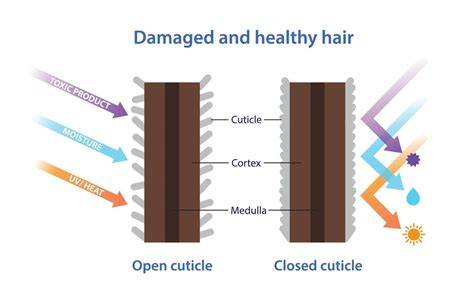
Understanding Hair Structure
Practical tips in a nutshell
- Blot excess water gently with microfiber towel or cotton T-shirt.
- Apply heat protectant and detangle carefully with a wide-tooth comb.
- Use low to medium heat, keep the dryer 6-8 inches away, and move continuously.
- Direct airflow down the hair shaft with a concentrator nozzle; use a diffuser for curly hair.
- Finish with a cool blast to seal the cuticle and set shine.
Drying your hair properly is a balance between practical timing and preserving health. By understanding hair structure, using the right tools, and applying technique-conscious steps, you can achieve smooth, shiny results with minimal damage. This approach accommodates different hair types-from fine to thick, straight to curly-and helps you tailor your routine to your personal needs.