What things drew you to hairstyling in the first place? For some cosmetologists, hair coloring is our passion - we study the different ways coloring, bleaching, tinting, and toning can be used to cerate an incredible hair style. It’s a way for professional hairdressers to express their creativity and hone their craft. Becoming a hair colorist takes study, work, practice and dedication.
What is a Hair Colorist?
A hair colorist is a licensed cosmetologist who specializes in altering the color or tint of their client’s hair. This is usually done through the use of chemical treatments. Hair colorists must have extensive knowledge of coloring products, coloring techniques, and hair types. A hair coloring specialist must have great attention to detail, and understand how pigment formulas react with different hair colors and hair types. Most colorists mix their own coloring fomulas to ensure they get the best results for their clients.
Duties and Responsibilities
- Hair coloring: Formulating hair color for clients
- Hair styling techniques like balayage and ombré
- Sanitizing equipment and keeping area tidy
- Continuing to learn new techniques
Special Considerations for Hair Coloring
A highly-skilled hair colorist will anticipate and calculate the amount of eumelanin and pheomelanin in a client’s hair. Each person’s hair has different levels and different types of pigments in them, so understanding the effects coloring formulas will have on their hair is vital. Hair coloring can also be affected by hair porosity, hair type, temperature, and other factors. Many experienced hair colorists keep notes for their process with each client and document the results to learn more about their craft, and perfect their work process.
To become a professional hair colorist, you must first become a certified cosmetologist. This begins with attending an approved training program with the minimum required hours. In California, this is 1000 hours, in other states this number may vary. Once you finish your cosmetology program, you must pass the State Board exam to earn your cosmetologist certification. Most cosmetologists work in salons, helping clients with hairstyling, coloring, and hair cutting. Working in a salon will help you get extensive experience with coloring techniques and mixing processes.
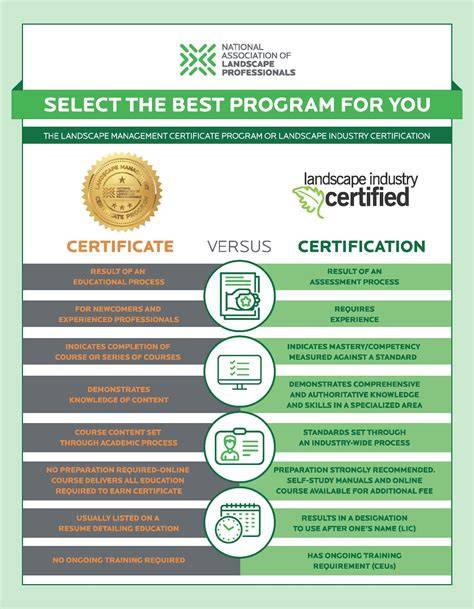
Now, this next step is not required, but optional, to get certified through the Board of Certified Haircolorists (BCH). This certification process is a paid process that involves their training cohort and Certification Assessment exam. The BCH also recognizes certifications from the now disbanded American Board of Certified Haircolorists (ABCH). Whether you get certified by the BCH or not, once you are ready, you can market yourself as a professional hair colorist. It’s recommended that you have extensive experience with hair coloring for clients, as there is nuance, knowledge, and skill involved in being an elite hair colorist.
Where Do Hair Colorists Work?
A hair colorist can work in many environments, which include:
- Salons
- Beauty spas
- Resorts and hotels
- Cruise ships
- Other hospitality venues
- Movies, TV, theater, and entertainment
Salary and Job Outlook
According to data from the Bureau of Labor Statistics in May 2023, in California, all cosmetologists earned a mean annual salary of $46,600 and earned a mean hourly wage of $22.40. In the same time period, all hairdressers, hairstylists and cosmetologists in the US earned a mean annual salary of $41,780 and a mean hourly wage of $20.09. Data updated April 10, 2025 from Glassdoor showed that hair colorists earned a median average total salary of $68,744 with a base annual pay of $51,630 and additional pay of $17,114. These numbers can vary depending on your state and local metro area.
Job outlook indicates overall employment for hairdressers, barbers, and cosmetologists is projected to increase by 7% between 2023 and 2033 according to data from the BLS. Over 45,000 net jobs are projected to be added during that period.
Becoming a Certified Professional
If you’ve decided you want to become a professional hairstylist and hair colorist, you can get the training you need to get certified and start your career at a reputable school. A comprehensive cosmetology program will teach you all the fundamentals of hair cutting, coloring, styling, as well as skin care and nail care. After you pass your State exam, you’ll be licensed to practice cosmetology in your state. The training you’ll receive from industry pros will help you jumpstart your career in cosmetology. Optional barbering programs may be available for those who want to specialize in men’s hair.
For more information on programs and certification, contact the admissions team at your chosen institution.
Personal Experiences and Real-World Impressions
With extensive knowledge of the hair industry and intimate understanding of the Phoenix hair scene, many colorists bring diverse experience. From vibrant reds to sun-kissed blondes, the best colorists possess an unparalleled talent for creating stunning and personalized looks. Clients often praise colorists for listening to their desires, explaining options, and delivering results that feel like a true reset for their hair.
Testimonials and Salon Experiences
In many top Phoenix salons, colorists are described as patient, knowledgeable, and capable of transforming dull locks into vibrant masterpieces. The best sessions emphasize consultation, color theory, and meticulous attention to detail, with a focus on preserving hair integrity and achieving seamless blends such as balayage and high-lidelity balayage variants. Clients frequently note the welcoming atmosphere, professional staff, and the confidence boost that comes with professional color work.
hair color theory | 2024
Becoming a Board Certified Haircolorist (BCH) represents a notable milestone for many professionals. The BCH’s three-part certification process showcases knowledge, technical skills, and creative artistry, and it provides a network of peers and mentors. The BCH also recognizes certifications from other established boards, maintaining high standards of competency and credibility for colorists.