Boils are a bacterial skin infection that forms in hair follicles and oil glands. Boils begin as painful, inflamed bumps that develop a pus-filled head as they progress. Boils can occur in the armpits, face, buttocks, groin, neck, and thighs but are also possible on other parts of the body. While anyone can get a boil, they are more common if you have frequent skin irritation, a weakened immune system, close contact with someone who has boils, or skin conditions that predispose to infection.
When a boil is “ready,” the doctor makes a small cut to allow the pus to drain and the wound to heal. Antibiotics are used in certain situations. A boil (furuncle) is a bacterial skin infection that looks a bit like a very big pus-filled pimple. It starts off as a noticeable swelling that then becomes filled with pus. Boils are often very painful. Sometimes they drain on their own, and go away without causing any problems. But medical treatment may be needed, particularly for big boils. If someone gets boils often, it could be a sign that they have a medical condition that has weakened their immune system, increasing the risk of infections. It is then important to find out what that medical condition is, and treat both the underlying condition and the boils.
Early management: warm compresses and drawing ointments
When a boil first appears, the pus-filled space inside the swollen bump hasn’t yet fully developed. In this phase, doctors usually recommend applying a warm, moist antiseptic compress (a cloth pad held in place by a bandage) or a special ointment that draws (pulls) pus out of the boil. This kind of ointment is also known as “drawing salve.” It typically contains ammonium bituminosulfonate, also known as Ichthyol. The compress and ointment are meant to speed up the development of the abscess inside the boil, so that it can drain and heal on its own later on - or be cut open and drained by a doctor.
Cutting and draining: when and how it’s done
The cutting and draining of boils is a standard treatment, particularly for large boils. It is usually an outpatient procedure. The doctor first disinfects the area around the infection and numbs it with a local anesthetic. The skin covering the boil is then cut open to drain the pus. A sterile saline solution can be used to rinse the wound. Doctors sometimes use antiseptic solutions, ointments or dressings as well. Sometimes one or more strips of gauze or silicone are placed inside the open wound afterwards to help remove remaining pus and fluid, keeping the wound clean as tissue recovers. The strips are usually replaced daily. In many cases, the wound is cleansed with a sterile saline solution. This is known as open wound healing or healing by secondary intention.
What happens after drainage
While the wound is still open, a compress or adhesive bandage is used to protect it from dirt and germs. In many cases, the wound will be managed with ongoing cleaning and dressing changes. Keeping the wound clean and protected helps reduce the risk of reinfection and supports gradual healing. In some cases, the wound may heal with a simple open drainage process, while in others a more extended healing period is required depending on the depth and extent of infection.
Which boils require more aggressive treatment?
Boils usually don’t need any further treatment, but sometimes other measures are necessary - for instance, if the boil is on the face or if several boils have merged, forming a carbuncle. If a boil is on the face, keeping the area still is advised to minimize the risk of spreading infection to the brain via the bloodstream. In such cases, movement and pressure should be minimized, and bed rest may be recommended. If complications arise or are likely, antibiotics are taken as tablets or a liquid, or given by IV or injection so they can travel through the bloodstream. Antibiotics are usually only needed if the boil is on the face, if there are several boils, if the infection is spreading through lymph vessels, or if there are systemic signs like fever, high pulse rate, low blood pressure, or rapid breathing.
Antibiotics: when and which ones
Doctors usually prescribe an antibiotic that is effective against boils, which are nearly always caused by Staphylococcus aureus. In rare cases, samples of pus may be taken and analyzed to identify the specific bacteria, especially if the standard approach isn’t working or if resistant bacteria are suspected. Oral antibiotics are typically used for larger or spreading infections or recurrent boils. Commonly considered antibiotics include options that doctors tailor to the situation; however, not all boils require antibiotics, as some heal with drainage alone. If MRSA is suspected, treatment will be adjusted accordingly. Do not stop antibiotics early, and finish the full course as prescribed to prevent relapse and resistance.
Topical agents: what works and what doesn’t
Best topical antibiotic creams are not universally recommended for boils, particularly for deep infections. Topical antibiotics may be used in combination with incision and drainage in select cases, but they do not draw out a boil themselves. Over-the-counter antibiotic ointments such as bacitracin or triple antibiotic cream are often not effective for boils because they do not reach the pus pocket beneath the skin. For some cases, doctor-prescribed topical antibiotics like mupirocin or clindamycin may be used in conjunction with other procedures.
Home care and supportive measures
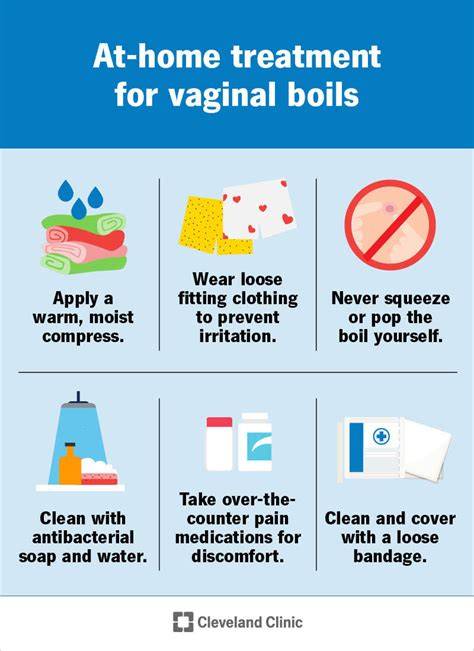
Home remedies and natural treatments, such as applying a warm compress, can help relieve symptoms and support drainage, but they do not replace medical treatment. Always avoid squeezing or popping a boil at home, as this can spread infection. Keep the area clean, wash hands thoroughly, and use sterile dressings when the boil drains. Maintaining good hygiene and wearing loose clothing can help reduce irritation and prevent recurrence.
Recurring boils and hidradenitis suppurativa (HS)
If boils keep showing up, especially in the same places, you may have hidradenitis suppurativa (HS), a chronic condition involving blocked hair follicles and inflammation. HS is not caused by Staphylococcus aureus and is not contagious. Treatment may involve prescription topical antibiotics, oral medications, hormonal therapy, biologics, or surgery, along with lifestyle changes like avoiding smoking and maintaining a healthy weight. A dermatologist can help determine the cause and appropriate long-term management.
When to seek urgent care
Seek medical help quickly if the boil is on the face, near the eye, or in the genital area, if fever or chills develop, or if the boil does not improve after a week of home care. If several boils are present or if the infection spreads, consult a doctor promptly for evaluation and possible drainage or antibiotic therapy.
Preparing for a clinic visit
When preparing for an appointment, bring a list of signs and symptoms, when they began, medications you’re taking, and any questions you have. Your doctor may examine the boil and, if needed, send a sample to the lab for testing to guide treatment decisions. You may discuss whether a course of antibiotics is appropriate, the potential for recurrence, and strategies to prevent spread.
In many cases, boils can be managed effectively with drainage, warm compresses, and careful hygiene. However, persistent or recurrent boils may require dermatology consultation to rule out underlying conditions such as hidradenitis suppurativa or antibiotic resistance.
Boils (Furuncles) - causes, symptoms, treatments, care and prevention
What you do next depends on the boil’s location, size, and scope. For most people, the path to recovery includes drainage when needed, appropriate antibiotic therapy if indicated, and disciplined home care to reduce the risk of recurrence and complications.