The art of hair braiding dates back thousands of years, with origins as early as 3500 BC in Africa. Today, braids continue to be a popular hairstyle, with different types of braiding techniques serving different purposes. You can wear braids to protect your natural hair, as a formal hairstyle, or as a casual new look. Braiding is one of the most versatile styling options. You can put braids alone in the hair or incorporate them into different styles, including updos and ponytails. Most braiding types require only a few basic tools, such as a brush, bobby pins, and hair ties. To prepare the hair, you may need a detangling spray and clips to section the hair. Hair length doesn’t matter when it comes to braiding-the technique works on both shorter and longer hair. For some braided styles, unwashed hair holds a braid better than freshly washed hair. Curlier and textured hair braids are easier than fine types. Each type of braid requires a different technique and procedure. There are a plethora of braided styles and braiding methods.
Classic Braids and Their Characteristics
French Braids are a traditional three-piece type of braid that is braided down to the scalp from the crown of the head to the nape, then hangs. You would plait each piece of hair by alternating sections over one another. Box Braids are a protective hairstyle normally used on textured or curly hair. You would create box braids with three-strand plaits sectioned with box-shaped parts. Typically, with box braids, braiding hair is added to the base of the braid and braided into the natural hair. A lot is tension is applied to create a very polished and neat look. Cornrows are a very traditional style for textured hair. This style features braids where the hair is braided back and very close to the scalp, creating neat and raised rows-just as the name implies! Cornrows protect textured hair from breakage and drying, as it also allows for easy access to oil and moisturize the scalp. Fishtail Braids are a unique braiding technique. You start with 2 strands (instead of the traditional three) and weave a thin strand from the outermost part of either section, across and into the middle. You would alternate the sections you are taking from.
In addition to these core styles, several modern variations and embellishments expand the repertoire. The pull-through braid is a great way to spice up traditional long braided hairstyles. The waterfall braid style works especially well for long hair and festival looks. The mermaid braid, also known as the rib cage braid, requires practice but creates a magical effect. Halo braids wrap a long plait around the head for a goddess-like appearance. Ghana braids feed in extensions from the top, creating a distinctive intertwined pattern. Fulani braids feature a central braid down the head with side braids, reflecting West African origins. Box braids can be done with natural hair or extensions and range in size and length, offering versatility for different tastes and occasions. Knots, beads, yarn, and colored extensions can all be incorporated to add texture and personality to any braid.
Braiding for Teens: Practical and Playful Styles
One of the best ways to upgrade everyday looks is by trying teen-friendly braided hairstyles. They’re stylish, practical, and perfect for school, hangouts, or weekends. The classic French braid remains a staple for school due to its neatness and security. Dutch braids, braided under rather than over, create a bold volume that holds up during sports or long days. The braided ponytail offers a clean, polished look with the hair neatly gathered away from the face. The waterfall braid remains a soft, dreamy option for picture day or casual wear, while the half-up crown braid combines elegance with practicality by keeping hair away from the face but still showcasing length. The simple side braid is ideal for rushed mornings, and the fishtail braid provides a trendy, woven effect that’s easy to achieve. A braided headband can elegantly pull back hair and is especially cute with second-day hair. Box braids pulled into a low bun present a protective yet stylish option for teens, while the cornrow ponytail offers a sporty twist for long days at school. The rope braid ponytail, bubble braids, and double French braids are other playful and easy-to-master choices for teens. A single French braid finished with a bow adds a girly touch, and the crown braid ponytail blends two styles for a chic, school-ready look. For active days, two Dutch braids pulled into a bun or a braided top knot offer secure, stylish options. Halo braids provide a princess-like feel and keep hair out of the face, while accent braids give a quick twist to regular hairstyles. The ladder braid, twin braided buns, and braided bow pigtails are great for school spirit days and themed events. Criss-cross bubble braids offer bold but school-friendly styling. These teen-focused options prove that looking cute doesn’t have to be complicated, and experimenting with twists, colors, and accessories can be both fun and age-appropriate.
Techniques and Care for Long-Term Results
Before a braiding session, it’s helpful to have a plan and know what you want. If you’re new to braiding, start with simple three-strand plaits and practice gathering hair from the sides as you go. For extra protection and to minimize breakage, consider knotless braids, which create less tension on the scalp. Crochet braiding, also known as latch-hook braiding, involves attaching extensions to cornrows with a crochet hook for a fuller look. Weekly deep conditioning treatments help keep hair in tip-top condition before weaving extensions or doing elaborate styles. When braiding, consider the pull-through illusion by securing hair into separate ponytails first to maintain control in more complex looks. A halo braid around the head is essentially a Dutch braid woven as one long plait, offering a regal yet practical style that can stay in for days and be removed quickly when desired. For color, yarn braids or colored beads can provide a playful texture and visual interest while protecting natural hair.
Tips for Choosing and Working with Braids
Box braids are versatile and can be created with natural hair or extensions for added length. Knotless braids are a modern variant offering less tension and a lighter feel. For longer-lasting styles, keep hair in good condition and choose a braid type that matches your hair texture and lifestyle. If you’re aiming for a bridal or formal event, halo, goddess, or intricately designed updos can deliver a polished, elegant finish. When in doubt, consult an experienced stylist who can tailor a bespoke braided design to your hair type and preferences.
Inspiration Gallery: Quick Visual Cues
From classic cornrows to contemporary crochet braids and elaborate updos, the possibilities are vast. This gallery demonstrates how to combine styles, accessories, and color to create a personal look that stays comfortable and lasts through the day. Include elements like beads, ribbons, or yarn to elevate texture and color. For those seeking a low-maintenance option, a simple low bun or a neatly secured ponytail with a subtle braid can still be highly fashionable. And for special occasions, a halo braid or a braided updo offers sophistication and lasting hold.
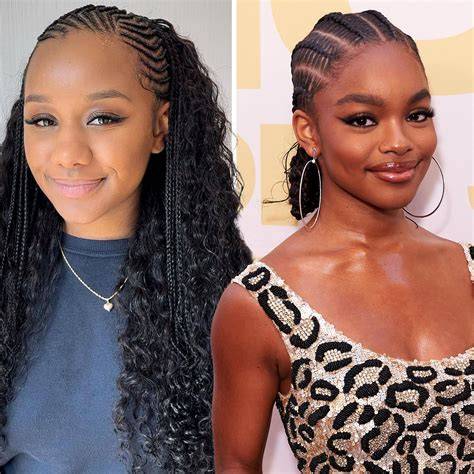
In short, braids are a versatile, protective, and expressive option for young ladies. With a spectrum of techniques-from traditional methods like French and Dutch braids to modern variations like knotless, crochet, and feed-in braids-there is a style to suit every hair type, occasion, and personal taste. The best way to start is to experiment with beginner-friendly techniques, practice, and consult professionals when pursuing complex looks. There are countless ways to adapt braids to school, sports, and formal events, making braids a staple that evolves with fashion and culture.
- French braids: classic and secure for daily wear.
- Box braids: protective and voluminous with extensions.
- Cornrows: close-to-the-scalp rows ideal for textured hair.
- Fishtail braids: two-strand weave with a delicate finish.
- Knotless braids: reduced tension, protective style.
- Crochet/Latch-hook braids: extensions attached to cornrows.
- Halo and braided updos: formal, face-framing elegance.
- Colored accessories: beads, yarn, and hair color for texture enhancement.
Additional Considerations for Parents and Teens
Encourage teens to choose styles that protect their hair and are comfortable for daily activities. Practice braiding techniques together, start with simpler looks, and gradually attempt more intricate patterns as confidence grows. Always ensure proper hair care routines, including detangling, conditioning, and scalp care, to maintain healthy hair while enjoying stylish braids.