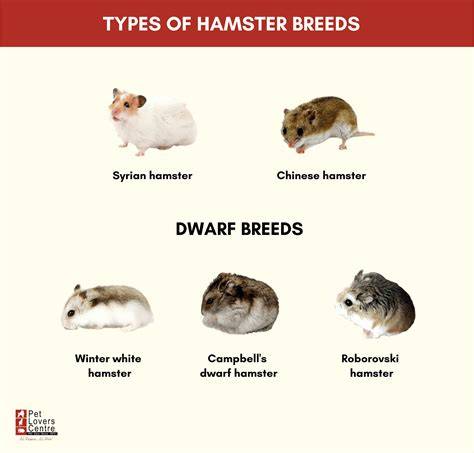
Campbell’s originate from Russia and Northern China. The wild Campbell’s live in family groups or colonies, and indeed in captivity this species can cohabit with their own kind; however owners should be aware that squabbles can occur, as in the confinements of a cage the animals are unable to get away from any cage mate they fall out with. Where squabbles turn into serious fighting the hamsters will need to be separated before serious injuries occur.
Coat varieties and patterns
Colors include: Normal shaded browns with black eyes, this is the original/normal wild colouration. Argente orange/sandy top coat with grey undercoat and red eyes. Albino white hamster with red eyes. There are a number of new/non standard colours now widely available including: Dove, Beige, Black, Blue Fawn, Black Eyed White etc. Campbell’s are also available in two types of pattern: Mottled patterned Campbell’s have random patches or blotches of white hair on their coloured coats, and Platinum patterned Campbell’s have white hairs intermingled with their coloured hairs giving a “silvering” appearance to their coats. Campbell’s are also occasionally available in two “fancy” coat types: Satin coated Campbell’s have a shiny, but greasy appearance to their coats and Rex Campbell’s have a textured coat with curly whiskers. It should be noted that Rex Campbell’s tend to have very sparse coats when young.
Curly hair and Rex types
Rex Campbell’s are the curly whiskered, textured coat variety; they can present with curly whiskers and a distinctive coat texture. Satin coated Campbell’s have a shiny, glossy look, while Rex types may have sparser coats when young. These traits influence grooming, handling, and cage care.
Cage requirements
Baby, juvenile and small adult Campbell’s can potentially squeeze through the bars of a standard Syrian cage, therefore either a narrow barred “mouse cage” should be used (although these can be small in size) or plastic enclosed cages can be used such as Ferplast Duna’s or Savic Rody cages. Alternatively glass tanks can be used. The cage or tank size should reflect the number of hamsters housed in it. A cage can never be too big, but often too small.
Bedding and housing considerations
Bedding: shredded paper nesting material is available in pet shops. It is strongly recommended that you don’t use cotton wool type beddings as these can impact in the hamster’s gut if accidentally swallowed.
Diet and feeding
Good quality dry hamster mix consisting of a variety of nuts and seeds. Hamsters are omnivores and therefore enjoy a varied diet. Small portions of fruit and vegetables can be fed, including carrot, cucumber, sweetcorn, apple and broccoli. As omnivores, hamsters enjoy some meat in their diets; for example cooked chicken can be fed. A hard dog biscuit can be given; gnawing on this will keep the hamster’s continually growing teeth in trim, and they enjoy the taste too. Hamsters will also enjoy pasta, egg, potato and rice (all cooked). Milky foods are enjoyed, for example porridge made with cow’s milk or rice pudding. Milky foods are practically good for nursing mums, weaning babies and older hamsters.
Handling and tameness
Hamsters purchased from a good reputable breeder should be fairly well hand tame when you purchase them, however they may still be a little fast to handle at first. Commercially bred hamsters often have received little or no handling and therefore can take a little longer to become confident with their owner. The best way for your hamster to become confident is to hand feed them tasty treats, so they learn to trust you. Your hamster may be nervous when you first retrieve it from the cage; always wait until your hamster is fully awake before picking them up. The best way to pick up your hamster is to cup your hands underneath them.
Exercise and enrichment
Hamsters of all species enjoy wheels, and Campbell’s are no exception. They can run on their wheels for many hours each night, which is good exercise for these active creatures. Toys: Dwarf hamsters enjoy having places to hide and explore in their cages. A number of plastic toys are available in pet shops, but you can also provide many free toys such as toilet roll tubes for tunnels and tissue boxes or “cup a soup” boxes for hiding places and sleeping boxes.
Health considerations
Hamsters can suffer from many health conditions that humans experience. Occasionally an older hamster may suffer a stroke or a tumour. Campbell’s, like all rodents, have continually growing teeth and these should be checked regularly to prevent overgrowth that can hinder eating. Nails on the feet can grow quickly and need regular trimming. Campbell’s are very prone to diabetes, a hereditary condition affecting a large percentage of this species. Symptoms include increased urination and excessive thirst; the urine may have a sickly sweet smell. Contributory factors include stress, pregnancy, heat and hereditary factors. There is no cure for diabetes. Affected hamsters should never be allowed to run out of water or become too hot. Diabetes will shorten lifespan and lead to weight loss and a gaunt appearance. Responsible breeders test their animals for this condition, but often the first sign is a sudden death at a young age. Often even veterinarians do not recognise how common this condition is in Campbell’s. Campbell’s can also suffer from glaucoma, where the eye or eyes fill with fluid and bulge; there is no cure, and some vets may recommend removal of an affected eye. Important note: Russian Dwarf Campbell’s are one of two very similar species, the other being the Russian Dwarf Winter White.
Social behavior
In the wild, Campbell’s live in family groups. In captivity, these hamsters can cohabit with their own kind, but keep an eye on potential squabbles. If squabbles turn into serious fighting, separate the hamsters to prevent injuries.
Summary of types and care reminders
Summary reminders include coat types (normal wild coloration, argente orange/sandy, albino, dove, beige, black, blue fawn, black-eyed white; mottled and platinum patterns; satin and rex coats), the importance of appropriate housing to prevent escapes, a varied omnivorous diet, careful handling, enrichment, regular dental and grooming checks, and attention to hereditary diabetes risk.