Many homeowners wonder, “Can fleas live in human hair?” when they discover itchy bites or see small insects hopping around. While fleas prefer pets, they can still bite humans and occasionally cling to hair or clothing when searching for a blood meal. Fleas thrive on animals because their fur provides warmth, shelter, and easy access to skin. Human hair is much less suitable, making long-term survival unlikely. However, fleas may still jump onto humans when populations grow or when pets are not available. Fleas can bite humans and may briefly cling to hair, clothing, or bedding. They typically do this when searching for a host or when populations become overwhelming. While they cannot live long-term on people, their bites can still cause discomfort and irritation. These signs do not always mean fleas are living in your hair, but they often suggest fleas are present in your home.
What to look for when fleas are around
- Flea bites most commonly appear on ankles and legs, but bites near the hairline may indicate that fleas have hopped higher onto your body.
- A crawling or tickling sensation may occur if a flea briefly jumps into your hair.
- Fleas are tiny and dark brown, often mistaken for specks of dirt until they hop.
- Although uncommon, flea bites can appear on the scalp or upper body when infestations are severe.
- Flea dirt looks like tiny black pepper-like specks. When placed on a damp tissue, it may turn red due to digested blood.
- If pets are scratching constantly or you see fleas in their fur, there is a higher chance fleas may have momentarily hopped onto humans.
Can fleas live on humans?
Even if fleas come into contact with humans, their ability to live and reproduce on human hair is extremely limited. The structure of human hair, combined with body temperature and grooming habits, makes it an unsuitable habitat. Long-term survival on people is unlikely, but the presence of bites or movement sensations still means fleas are nearby. Addressing both personal care and home treatment ensures all stages of the flea lifecycle are removed. Long-term prevention requires a combination of regular pet care, home maintenance, and seasonal habits. Because fleas reproduce quickly, preventive measures help keep infestations under control year-round. Severe flea infestations can spread quickly and become difficult to manage. Professional pest control helps eliminate all life stages of fleas, including eggs and larvae hidden in carpets, cracks, and pet resting areas. Knowing the truth about can fleas live in human hair helps you respond correctly when you notice bites or insect activity. While fleas rarely live on humans, they can still cause discomfort and spread quickly throughout your home. If fleas are biting your family or overwhelming your pets, contact Prompt Action Pest Control today.
Flea biology in context
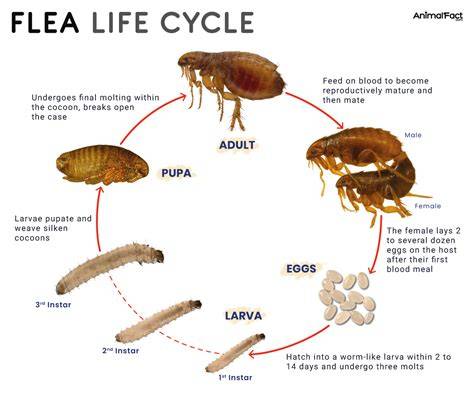
Dog and cat fleas are a common nuisance for pet parents because they can infest homes and wreak havoc on a pet’s skin and fur. Naturally, many pet parents question whether they can get fleas from their pets or even the environment. Fleas are tiny parasites that live within the fur of animals, including dogs and cats. Fleas are brown or black and can be seen by the naked eye, although they are quite small. Dog and cat fleas are very common, whereas human fleas are less common. People can be exposed to dog and cat fleas or human fleas the same way- from pets or by spending time outdoors. Dogs and cats can become infected with tapeworms by ingesting contaminated feces or licking their fur where flea eggs may be. While human fleas have been shown to carry Yersinia pestis, which is the bacterium that causes the plague, they are poor vectors of disease in general. Fleas do not live on humans, but people can be bitten by them. Fleas are tiny and brown or black, but you will rarely see them actually crawling on your skin. Frequent itching and discomfort are also common. Fleas do not live in human hair. So can fleas survive on humans? Fleas have a complex life cycle; they lay eggs that hatch into larvae, followed by pupae, then mature to adults. If pet parents notice an active flea infestation, it’s important to act fast. It can take several months to completely eliminate fleas within the home, so it’s important to be patient and consistent with treatment.
Flea life cycle and practical control
The life cycle of a flea starts with eggs that hatch into larvae, then pupae, and finally adults. A female flea, after a hearty blood meal, lays up to 50 eggs a day, which fall off your pet and scatter into your home. These eggs hatch into wriggly larvae that hide in dark, cozy spots like carpets and under furniture. After a few days of feeding on flea dirt, they spin themselves into cocoons, transforming into pupae. Pupae can stay hidden for weeks or months, waiting for a warm, breathing host nearby to emerge as adult fleas. Keeping fleas at bay requires treating both your pet and the home environment, including regular vacuuming and washing pet bedding to remove eggs and larvae. Flea control products recommended by a veterinarian, used consistently, are essential because fleas go through several stages and can re-infest even after adults are removed.
Flea bites and signs in humans
Flea bites on humans typically appear as small red bumps and often cluster around the ankles and legs, though bites near the scalp can occur with severe infestations. A crawling or tickling sensation on the hair may indicate a flea briefly entered the hair. Flea dirt on surfaces or on clothing also serves as a sign of infestation. The fastest way to address fleas in hair is to wash with regular shampoo or dish soap and comb through wet hair with a fine-tooth comb, repeating for several days. Permethrin rinse or pyrethrin-based shampoos can be used in some cases, but always follow veterinary or product guidance. Essential oils may help repel fleas but do not kill them effectively; they should be used as a supplementary step after main treatment.
Actions to take if fleas are present
To stop fleas from living in hair or spreading in the home, treat pets and the environment simultaneously. Regular vacuuming, washing bedding in hot water, and using pet-safe flea control products are crucial. Since up to 95% of fleas can live in the environment rather than on the pet, focus on the home as well as the pet. If a home infestation persists after 2-3 weeks of treatment, or if multiple family members are affected, seek professional pest control to eliminate eggs, larvae, and hidden pupae in carpets and resting areas. Keeping lawns trimmed and dry, reducing shaded areas, and maintaining year-round preventive care further reduce the chance of reinfestation.
Frequently asked questions
- Can fleas actually live in human hair long-term? No. Fleas cannot set up colonies in human hair. They prefer animal fur and usually jump off people within 24 hours.
- How can I tell if it's fleas or lice in my hair? Fleas jump when you touch them and have flat bodies; lice crawl and have longer bodies with claws that grip hair. Lice glue their eggs to hair strands, while fleas do not lay eggs on people.
- What’s the fastest way to remove fleas from hair? Wash with regular shampoo or dish soap, then comb through wet hair with a fine-tooth comb, repeating daily for 3-5 days.
- Do I need special shampoo for fleas in hair? Regular shampoo often works; if needed, a permethrin-based rinse or lice treatment can help. No products are made specifically for fleas on people.
- Why do I keep finding fleas in my hair after treatment? Ongoing contact or untreated sources in the home or on pets can cause reinfestation; treat the source as well as the hair.
- Are fleas in hair dangerous to health? They can carry diseases like cat scratch disease and flea-borne spotted fever, but this is not common; bites and allergic reactions are the main concerns.
Practical tips and home care
To survive a flea infestation, know the life cycle and target all stages. Vacuum thoroughly, wash bedding, and treat pets with veterinarian-approved products. Regular cleaning of carpets, bedding, and furniture disrupts the life cycle, and professional pest control can help with hidden eggs and larvae. For safety, patch-test essential oils and avoid applying them directly to pets or skin without guidance. In many regions, milder winters indoors keep flea cycles active year-round, making ongoing prevention essential.
A Flea's Fantastic Jump Takes More Than Muscle | Deep Look
In sum, fleas do not live in human hair long-term, but they can bite and briefly cling to hair or clothing. Understanding their life cycle helps you address the problem comprehensively-treating both your pets and your home prevents reinfestation and reduces the risk of bites and irritation.