Dry or peeling skin on or around your vulva can occur with some skin conditions and infections, including a vaginal yeast infection. You may also have other symptoms like burning or itching. Many conditions can cause peeling, flaking, and itching in and around the vaginal area. These include conditions that affect skin, as well as those specific to the reproductive organs.
Read on to learn about the most common causes of vaginal peeling and how to treat this symptom. People with female genitalia often think of their entire “down there” region as a vagina, but in actuality, the vagina is only one part of the vulva. The vulva contains multiple layers designed to cover and protect the sexual organs and urinary opening. These parts are: Vagina, Vaginal vestibule, Clitoris, Urethra, Labia majora, Labia minora, Perineum, Bartholin’s glands. If any part of the vulva becomes irritated or inflamed, peeling, flaking skin can result. Dry skin, in and around the vagina, can also cause itching and flaking.
Vaginal skin peeling may be accompanied by other symptoms. The symptoms you have will be determined by the root cause of your condition. Other symptoms include: itching, which may be intense; burning or stinging sensations; scaling of the skin; small skin tears; red or white patches of skin; bumpy rash; vaginal odor or discharge.
There are many potential causes of vaginal peeling. They include eczema (dermatitis) such as atopic dermatitis, seborrheic dermatitis, allergic contact dermatitis, and irritant contact dermatitis. Eczema is an inflammatory skin condition that may affect many areas of the body and face. It causes the skin to take on a red, rash-like appearance and can be itchy. It can also cause cracks in the skin, as well as flaking and peeling.
Eczema can affect the outer layers of the vulva and the vaginal vestibule. If you scratch, this can worsen the condition and lead to skin thickening, swelling, and increased amounts of vaginal skin peeling. Eczema is sometimes triggered by exposure to an allergen. The vulva may become irritated or inflamed if you are allergic or sensitive to products that come in contact with this area of your body. These include laundry detergent, soap, wipes, and body wash; ingredients in hair removal products; latex; spermicides; lubricants; fabrics such as nylon or polyester.
Psoriasis is a chronic, autoimmune condition that involves a rapid buildup of skin cells that may cause raised plaques and scales to form on the skin. Up to 63 percent of adults with psoriasis have psoriatic lesions in their genital area. When psoriasis affects the skin of the vulva, pink or red patches and skin cracks are common symptoms.
Candidiasis (vaginal yeast infection) is common and caused by an overgrowth of Candida, a naturally occurring yeast that lives in the vagina. A thick, odorous discharge that looks like cottage cheese is a common symptom. Your skin may be intensely itchy and swollen. It may also peel or scrape off, especially if you scratch.
Lichen sclerosus is an inflammatory skin condition most likely to affect postmenopausal women. Common symptoms include white patches of crinkly, shiny skin around the genitals and anus, plus intense itching. Skin affected becomes thinner, increasing peeling, bruising, and blistering.
Lichen planus is a skin rash triggered by an overactive immune system. It can affect the skin inside the vagina, as well as the outer layers of the vulva. It may be mistaken for vaginal atrophy and causes raw, burning skin that feels sore inside and outside the vagina; the skin may crack or have a lace-like pattern. Inside the vagina, symptoms may include a thick yellow discharge.
Sexually transmitted infections (STIs) can also cause vaginal peeling. The exact treatment depends on the infection type, and a gynecologist may perform tests for STIs. If lichen planus or lichen sclerosus is suspected, a skin biopsy may be performed.
To diagnose and treat effectively, stop using products that might irritate your skin. Soothing treatments such as a warm colloidal oatmeal bath can help. Wear breathable fabrics like cotton and loose underwear. If you have a yeast infection, over-the-counter antifungal creams may be helpful, but if symptoms persist or recur, see a doctor before continuing treatment.
Your doctor may prescribe high-potency corticosteroid creams or oral corticosteroids. In some cases, estrogen cream may also be prescribed. If you have psoriasis or eczema, you may be more likely to have vaginal peeling and other genital symptoms, and having psoriasis increases your risk of lichen sclerosus. Change out of damp or sweaty clothing after swimming or workouts, and avoid tight clothing. Nylon fabrics or scented products can irritate vaginal skin and increase risk.
Regardless of the cause, vaginal peeling usually responds well to treatment. If symptoms recur, inform your doctor; a different topical or oral medication may be prescribed. A visual assessment by a clinician is often enough to diagnose, and treatment is typically effective. Dry, flaky skin in the pubic area is more common than you might think and can result from several factors, including skin conditions, infections, allergic reactions, and more.
Dry skin in the pubic region can be managed with lifestyle and skincare measures. Hydration and moisturization support skin health, and certain vitamins may help. Drink water and consider all-natural moisturizers to keep the skin hydrated. Avoid scented products and damp or sweaty clothing, and limit tight clothing that causes friction. Suns and hormones can also influence skin health, so hormonal changes around puberty or menopause may affect vulvar skin.
Psoriasis and dermatitis require appropriate treatments, often including creams, ointments, and sometimes systemic therapies. If a fungal infection like tinea cruris is mistaken for psoriasis, a doctor’s evaluation is essential for correct treatment. Allergic reactions to hygiene products, spermicides, latex, or fragrances can cause dermatitis around the vulva; treatment involves eliminating the allergen and using anti-inflammatory or steroid medications as advised.
There are several practical steps you can take at home to ease symptoms: moisturize regularly, use unscented products, wear breathable fabrics, and avoid prolonged exposure to heat or moisture. If you experience persistent or worsening symptoms, consult a healthcare professional to determine the exact cause and receive targeted treatment. Some cases may require prescription medications or further testing to rule out conditions such as Paget disease or vulvar cancer, though these are less common.
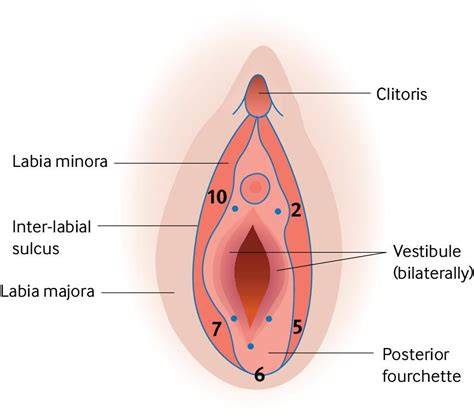
All About the Vulva: A Kid Friendly Explanation of Female Anatomy
When to seek medical care
If you have vaginal peeling, your doctor will often be able to make a diagnosis by visual assessment. They may ask about your health history, medications, sexual history, and may perform STI testing or a skin biopsy if needed. In many cases, treatment is effective, and symptoms improve with the right approach. If symptoms persist or recur, a different regimen may be required. A clinician can help distinguish dermatitis, eczema, psoriasis, lichen sclerosus, lichen planus, infections, and STIs, guiding you toward the proper treatment plan.
- Stop: discontinue products that might irritate the skin.
- Consider: soothing measures such as warm oatmeal baths.
- Wear: breathable cotton underwear and loose-fitting clothing.
- Consult: a gynecologist or dermatologist for diagnosis and tailored treatment.