Understanding pH and how it affects carpet cleaning is essential for choosing the right shampoo solution. Cleaning solutions aren’t the only things that have a pH level; dirt, soil, and residues also interact with cleaners. The pH scale ranges from 0 to 14, with each step representing a tenfold change in acidity or alkalinity, which influences how well soils are broken down and fibers are protected.
pH, fibers, and cleaning strategy
Different carpet fibers tolerate pH levels differently. Synthetic fibers typically tolerate solutions from 0 to 10, while natural fibers are more delicate and should be cleaned with solutions closer to the middle of the pH scale. Carpet cleaners can be acidic, neutral, or alkaline, and choosing the right category depends on the soil type and carpet fiber. Neutral cleaners work for light soils, but heavily acidic or alkaline soils may require more specialized cleaners. Previous stains or lingering cleaners can make a carpet alkaline and alter tolerances, underscoring the importance of residue management.
Categories of carpet cleaning solutions by pH
Acidic solutions are traditionally used to clean mineral deposits and limescale or other insoluble water-based deposits. Alkaline solutions are pivotal for removing most soils, with neutral cleaners serving as maintenance options for light soil. The choice depends on the soil type, surface, and fiber tolerances; no single “universal” pH works for all cleaning scenarios.
Carpet shampooing is one of the oldest mechanical cleaning methods and uses a foamy, detergent-based solution agitated into fibers with a rotary brush, then extracted or dried. The method emphasizes surface-level cleaning and fiber-focused soil removal rather than deep extraction. The effectiveness of the shampooing process hinges on the chemical formulation of the shampoo compound, the machine’s creativity, and residue management after cleaning.
How carpet shampooing works in practice
Shampooing involves a rotary brush mechanism that dislodges particulates by applying mechanical energy to carpet fibers. Depending on the equipment, foam and soil can be extracted immediately or left to dry. Drying times typically range from 2 to 8 hours, influenced by pile density, humidity, and airflow. Two main machine configurations exist: with foam generators and without. The foam generator creates a foam-based cleaner that dries more easily, while non-foam machines rely on other agitation methods.
Shampooing is suitable for interim commercial maintenance and certain residential settings where rapid cosmetic refreshes are prioritized over deep extraction. However, residue buildup from repeated shampooing and moisture-sensitive subfloors can limit its long-term effectiveness, and it may not retrieve soil that has migrated below the pile into backing or subfloor interfaces.
Practical tips for selecting and using carpet cleaning solutions
When choosing a carpet cleaner solution, consider the soil type, fiber type, traffic level, and the presence of pets or children. Spot cleaners are ideal for localized stains, while carpet shampoos cover larger areas. For very dirty carpets, hot water extraction or steam cleaning often yields deeper cleaning, while shampooing can be part of a broader maintenance plan.
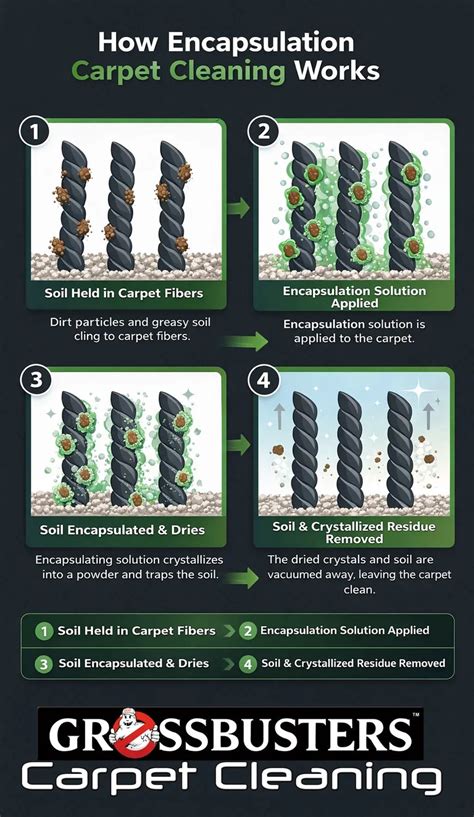
Understanding the labels and ingredients helps you pick safer, more effective formulations. Surfactants reduce surface tension to suspend soils; oxidizers break down color-bearing chromophores; enzymes target protein-, fat-, and starch-based soils; encapsulants trap soils for removal. pH is a primary driver of performance against specific soil categories, with wool and silk fibers particularly sensitive to high alkalinity.
Residue management is crucial: unextracted surfactants can attract dirt and re-soil quickly. Additionally, historical products like PFAS protectors have influenced the market, with ongoing transitions toward eco-friendly yet effective formulations. Do not misjudge the hype around “natural” or plant-derived cleaners; some of these may still pose risks or be less effective on certain soils.
DIY and professional approaches
DIY carpet cleaner recipes often use common household ingredients like baking soda, dish soap, hydrogen peroxide, white vinegar, and hot water. These recipes can be cost-effective and powerful for mild to moderate stains, especially when combined with proper pre-treatment and careful machine use. However, DIY solutions may not match the effectiveness of commercial formulations on set-in stains or embedded soils, and improper mixing can damage fibers or cause unwanted reactions.
Professional cleaning provides deeper extraction capabilities and access to industrial-grade equipment and formulations. A professional approach is recommended for deeply embedded soil, stubborn odors, or sensitive fiber types, as pros can tailor the solution to carpet type and soil composition.
Fiber-by-fiber care and maintenance considerations
Nylon and polyester fibers tolerate higher alkalinity but still require careful handling to avoid over-wetting and heat exposure. Wool and silk fibers are more delicate and benefit from pH-controlled, wool-safe formulas. Avoid high pH cleaners or excessive heat with delicate fibers, and always blot stains rather than rubbing to minimize fiber damage. For wool, a wool-safe dry cleaning compound or a gentle shampooing method with a wool-safe formula is recommended.
Olefin fibers resist many conditions but can absorb moisture; a low-moisture extraction approach is often advised, and oil-based cleaners should be avoided as olefin can attract oil and become dirtier faster. Triexta, developed as an eco-friendly option, combines softness with stain resistance, emphasizing gentle yet effective maintenance. Vacuuming weekly and treating stains promptly are universal habits for all fiber types.
Common misconceptions and safety notes
- More soap does not equal more cleaning. Excess surfactant can leave residues that attract more dirt.
- Vinegar is not a universal carpet cleaner. It is a mild acid rinse with limited soil-lifting capacity and no surfactants.
- Natural does not automatically mean non-toxic. Some plant-derived solvents can be skin sensitizers or VOCs.
- Hydrogen peroxide needs caution on fibers. Concentrations above 3% can bleach wool and solution-dyed nylon; higher concentrations can damage polypropylene.
Storing and safety considerations
Store leftover solutions in clearly labeled containers in a cool, dry place. Some mixtures, especially those containing peroxide, lose effectiveness after a short period. Follow manufacturer instructions for machine compatibility and warranty considerations, as some warranties require specific cleaners.
Frequently asked questions
- What is the best carpet cleaner solution for really dirty carpet? A multi-pronged approach usually works: thorough vacuuming, pre-treating stains, and using a combination of cleaners or professional methods for deep soil.
- What do professional carpet cleaners use for solution? Truck-mounted cleaning systems with specialized formulations designed to break down dirt and soil without damaging fibers.
- What is the most effective carpet cleaning method? Hot water extraction (steam cleaning) is widely considered highly effective for deep cleaning, followed by professional extraction of the cleaning solution and soils.
- How can you reduce the frequency of deep cleaning? Regular vacuuming, prompt stain treatment, and minimizing foot traffic in high-use areas help reduce the need for deep cleaning.
DIY recipes from Real-World guidance
General purpose DIY carpet cleaner recipe (for mild to moderate soils): 2 teaspoons baking soda, 2 tablespoons dish soap, 2 cups hot water, 2 tablespoons white vinegar, optional essential oil. For grease and oil stains: 4 tablespoons baking soda, 2 teaspoons dish soap, 2 cups hot water, optional essential oil. For organic stains: 2 cups hydrogen peroxide (3%), 2 teaspoons dish soap, 2 teaspoons baking soda. Follow the steps: mix ingredients, test on a hidden area, pre-treat tough stains, fill the machine reservoir, clean the carpet in sections, and allow to air dry."
Always test on a small, hidden area before widespread use, and avoid mixing vinegar with hydrogen peroxide, bleach, or baking soda in ways that could generate hazardous gases or unstable mixtures. If in doubt, consult a professional for difficult stains or delicate fibers.