Red hair, also known as ginger hair, is a human hair color found in 2-6% of people of Northwestern European ancestry, typically those of Celtic ancestry, and smaller amounts in other populations. Red hair varies in hue from a deep burgundy or bright copper, or auburn, to burnt orange or red-orange to strawberry blond. The pigment pheomelanin gives red hair its distinctive color, while the MC1R gene variant influences the balance between pheomelanin and eumelanin, shaping both hair and skin characteristics.
Global distribution and historical presence
Scotland has the highest number of red-haired people per capita in the world, with the percentage of those with red hair at around 13%, followed by Ireland and Wales. The Berber populations of Morocco and northern Algeria have occasional redheads. In Asia, ancient mentions of red hair appear among Tocharians, Chinese historical records describe red-haired figures, and red hair is noted in various ancient populations. Red hair appears in some Polynesian groups and among certain Middle Eastern and North African lineages, reflecting a complex history of migration and mixing.
Red hair is a rare natural hair color in humans, and its rarity is tied to the recessive inheritance of MC1R variants. In many populations, two copies of a recessive MC1R allele are usually required for red hair to be expressed. When both parents contribute red-hair-associated alleles, the chance of a redheaded child approaches 100%; if only one parent carries the allele, the chances drop to about 50%, and if both parents are carriers but not redheads, the chance is around 25%.
Genetics of red hair
The pigment melanin exists in two major forms: eumelanin (brown/black) and pheomelanin (reddish-yellow). Red hair results from relatively high pheomelanin and relatively low eumelanin. The MC1R gene on chromosome 16 encodes the melanocortin-1 receptor, which regulates melanin production in melanocytes. When MC1R is inactivated or altered by variants, more pheomelanin is produced and less eumelanin, yielding red or strawberry-blond shades. In many redheads, MC1R mutations are present in two copies (recessive inheritance), though the genetic picture is more complex: additional variants and epistatic interactions among genes like ASIP, RALY, HERC2, and others contribute to the final hair and skin color, shade, and tanning response.
UK Biobank data and other studies show that MC1R variants account for a substantial portion of red hair but not all genetic heritability. About 80% of redheads have an MC1R variant, but MC1R variants alone do not fully predict hair color; hundreds of genes influence pigmentation, and interactions between genes can shift expression. Shades of red range from copper and bright orange to strawberry blond, influenced by the combination of eumelanin and pheomelanin and other genetic factors.
Inheritance and trait variability
Red hair runs in families, yet non-redhead parents can have redheaded children due to recessive inheritance. When both parents carry red-hair alleles but do not express red hair themselves, there is a 1 in 4 chance for a truly red-haired child. If one parent is redheaded and the other is a carrier, about half of their children could be redheaded, though shades may vary. If both parents have red hair, offspring almost always inherit red hair, though rare exceptions can occur due to additional genetic modifiers.
In addition to hair color, MC1R variants are associated with fair skin and a tendency to freckle, as well as increased sensitivity to ultraviolet (UV) radiation. Redheads tend to tan less easily and are more susceptible to sunburn, with long-term UV exposure correlating with higher skin cancer risk. The pigment balance that gives red hair also influences vitamin D synthesis and UV tolerance, shaping adaptations to different latitudes.
Health considerations and UV sensitivity
Melanin plays a key role in defending skin against UV damage. Eumelanin provides better UV protection than pheomelanin, so redheads with higher pheomelanin and lower eumelanin have less natural protection, increasing skin cancer risk in high-UV environments. However, the lack of tanning potential in redheads can be advantageous in very low-light regions, where reduced melanin helps vitamin D production. The relationship between red hair, MC1R variants, and health outcomes is nuanced, with genetic and environmental factors shaping individual risk profiles.
Red hair color variants are also linked to other physiological traits. Some studies suggest redheads may experience different pain sensitivity or require different anesthetic dosing, and research continues to explore these associations. It is important to recognize that these traits vary among individuals and cannot be predicted from hair color alone.
Cultural perceptions and stereotypes
Throughout history, red hair has carried a mix of fascination and prejudice. In Britain, redheads have faced stereotypes and, at times, discrimination or harassment. The term ginger is commonly used in British English, with some pejorative connotations, though cultural attitudes vary widely. Folklore, literature, and media have contributed to redhead imagery-from Titian-haired beauty and Renaissance art to modern depictions in novels and television. Festivals celebrating red hair, such as Redhead Day in the Netherlands and Irish Redhead Convention, reflect contemporary celebration and community-building around this unique trait.
Red hair across cultures: notable notes
Esau and David are biblical exemplars described as red-haired in traditional texts, while the name Rory (Rúaidhrí) is linked to red-haired royalty in Gaelic origins. In art and literature, red-haired figures have symbolized fiery temperaments or distinctive identities, reflecting historical associations that persist in some cultures today. In some regions, red hair intersects with identity and ethnicity, including historical perceptions tied to Jewish and other groups in medieval Europe. These cultural threads illustrate how biology and culture intertwine in shaping perceptions of red hair.
Practical imagery and data highlights
Infographic: The distribution of red hair by region (Scotland, Ireland, Wales, Northern Europe, rest of the world) and the MC1R gene’s role in pheomelanin versus eumelanin production. This visual would show the typical 2-6% global prevalence and higher regional concentrations, plus the autosomal recessive pattern of inheritance.
Map: Regions with notable redhead populations and historical migration patterns, including the relative concentrations in Edinburgh, Scotland, and Dublin, Ireland, with notes on ancestral Celtic links and northern latitude adaptations.
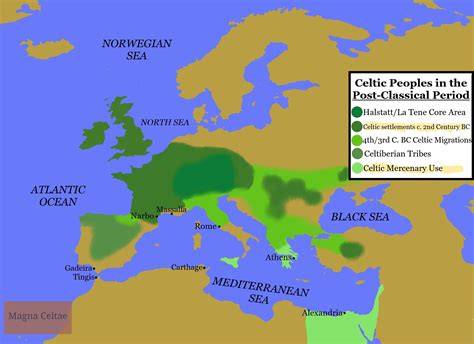
Table: Key MC1R variants and their associations with red hair shades and tanning response. Examples include common variants like R151C, R160W, and D294H, plus their inferred effects on pheomelanin and eumelanin production.
| Variant | Effect on melanin | Typical hair shade |
|---|---|---|
| R151C | Inactivates MC1R, increases pheomelanin | Bright red to copper |
| R160W | Inactivates MC1R, increases pheomelanin | Strawberry blond to red |
| D294H | Inactivates MC1R, increases pheomelanin | Deep auburn to copper |
What determines the exact shade and risk profile?
Hair color is dictated by a complex network of genes beyond MC1R, with hundreds of genetic factors contributing to shade and tanning response. A comprehensive model from UK Biobank analyzing dozens of SNPs shows that hair color emerges from epistatic interactions among multiple genes, including ASIP and HERC2, and that pigment production is a dynamic balance between eumelanin and pheomelanin. Environmental factors, age, and hormonal influences can further modulate the final appearance, making precise prediction challenging even with genetic data.
Practical implications and questions for readers
- What are the chances that a child will have red hair if both parents are redheads versus if only one parent carries the MC1R variant?
- How does MC1R interact with other pigmentation genes to shape shade, skin type, and tanning ability?
- What health considerations arise for redheads in high-UV regions, and how can they mitigate risks?
- How have cultural representations of red hair evolved, and what impact does this have on social attitudes today?
In summary, red hair is a multifaceted trait rooted in MC1R gene variants and the interplay of many other pigmentation genes. While the classic picture of red hair is of a rare, Celtic-linked trait, modern genetics reveals a more intricate landscape of inheritance, phenotype diversity, and health considerations, blended with a rich tapestry of cultural associations and stereotypes.