Finding the best anti-dandruff shampoo, as suggested by dermatologists, means looking for formulas that target the root causes of flakes, not just the symptoms. This guide explains which shampoos dermatologists recommend, how they work, and when to seek professional care for persistent scalp issues.
Best anti-dandruff shampoos recommended by dermatologists
- Nizoral A-D Anti-Dandruff Shampoo
Key ingredient: Ketoconazole 1%
Best for: Moderate to severe dandruff and seborrheic dermatitis
Why it works: Ketoconazole fights the fungus Malassezia, one of the main causes of dandruff. It helps reduce inflammation and itchiness after just a few washes. - Head & Shoulders Clinical Strength Shampoo
Key ingredient: Selenium sulfide 1%
Best for: Oily scalps and stubborn flakes
Why it works: This shampoo slows excess skin turnover and controls oil glands, which helps reduce flakes and scalp irritation. It’s strong enough for persistent dandruff yet mild on hair. - Jupiter Balancing Shampoo
Key ingredient: Zinc Pyrithione (1%)
Best for: Daily scalp maintenance and moderate dandruff flaking
Why it works: This dermatologist-tested shampoo pairs medical-grade zinc pyrithione with a luxurious, “skincare-grade” formula that is free of sulfates, parabens, and phthalates. It effectively treats the root cause of flaking and itching while nourishing the scalp with natural botanicals, providing a salon-quality wash that leaves hair feeling soft and revitalized without the clinical scent typical of medicated shampoos. - Neutrogena T/Gel Therapeutic Shampoo
Key ingredient: Coal tar
Best for: Itchy, flaky scalp linked to psoriasis or chronic dandruff
Why it works: Coal tar slows down cell production and reduces scaling. Dermatologists recommend using it a few times a week to manage inflammation and visible buildup. - Selsun Blue Medicated Maximum Strength Shampoo
Key ingredient: Selenium sulfide 1%
Best for: Heavy buildup and greasy flakes
Why it works: It treats fungus on the scalp and reduces oiliness that feeds dandruff. It also helps prevent recurrence when used two to three times a week. - Jason Dandruff Relief Treatment Shampoo
Key ingredients: Sulfur and salicylic acid
Best for: Sensitive scalps needing a natural option
Why it works: This blend exfoliates dead skin while calming irritation with plant-based oils. It’s free of parabens and synthetic fragrance, ideal for those avoiding harsh chemicals.
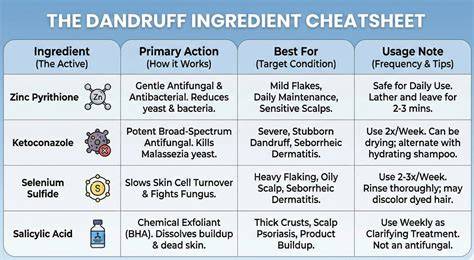
Pro tip from Dr. Alicia Atkins (DermOnDemand): Use medicated anti-dandruff shampoos two to three times a week, and rotate between formulas containing pyrithione zinc, selenium sulfide, or salicylic acid to prevent resistance. Always massage the shampoo into the scalp for one minute before rinsing for maximum absorption and reduced flakes.
Where to start and how to choose
There isn’t one single shampoo that works for everyone. The best shampoo for dandruff depends on the cause: too much oil, fungus, or a sensitive scalp. Zinc-based products are great for mild flakes, while selenium sulfide or coal tar shampoos help with stubborn cases. For sensitive scalps, sulfate-free and fragrance-free formulas are preferable.
MatchIngredients to YourScalpType:
- Oily scalps: Choose shampoos with zinc or selenium to control oil.
- Dry scalps: Look for mild cleansers with moisturizing oils.
- Sensitive scalps: Use sulfate-free and fragrance-free formulas.
How often to wash for best results: Dermatologists suggest washing two to three times a week with anti-dandruff shampoos. This gives active ingredients time to work and reduces the risk of irritation.
Special cases: scalp conditions and targeted solutions
Best Anti-Dandruff Shampoo for Seborrheic Dermatitis: Ketoconazole shampoo and selenium sulfide are top choices. Use them two to three times a week to reduce redness, flakes, and irritation. Top Pick: Nizoral A-D Anti-Dandruff Shampoo - formulated with ketoconazole 1%, it fights fungal buildup and improves scalp comfort within a few uses.
Chemical-free or sensitive-scalp formulas: For sensitive scalps, choose sulfate-free and fragrance-free shampoos. Top Pick: Burt’s Bees More Moisture Baobab Shampoo - free from sulfates and synthetic fragrance, it uses natural oils and tea tree extract to cleanse and protect sensitive scalps gently. Safe for daily use and ideal for long-term hair care.
Medicated anti-dandruff shampoos: For serious dandruff, doctors may suggest stronger active ingredients such as ketoconazole, coal tar, or corticosteroids. Always ask a dermatologist how often to wash your hair with medicated products to avoid dryness or irritation. Top Pick: Neutrogena T/Gel Therapeutic Shampoo - contains coal tar to slow down skin cell buildup and relieve inflammation and itchiness. Recommended for chronic dandruff, psoriasis, and persistent flaking when other shampoos stop working.
Ingredient highlights and potential side effects
Key ingredients that fight dandruff include:
- Pyrithione zinc - kills fungus and bacteria.
- Selenium sulfide - slows skin cell buildup.
- Ketoconazole - fights yeast that causes dandruff.
- Salicylic acid - removes dead skin cells.
- Coal tar - reduces inflammation and flaking.
Side effects to watch for: Some ingredients can increase sun sensitivity, and certain formulations may dry the scalp. If dandruff persists after regular use, consult a dermatologist to explore prescription options or alternative treatments.
When to consult a dermatologist
If dandruff continues after regular use, it’s time to see a dermatologist. You may have seborrheic dermatitis, psoriasis, or another condition. Prescription dandruff treatments with stronger active ingredients can bring faster relief and long-term results. An online consultation at DermOnDemand can provide expert guidance from a board-certified dermatologist within 24 hours.
Frequently asked questions
What is dandruff? It is the result of increased oil production and yeast overgrowth on the scalp, commonly Malassezia. Dandruff tends to develop on oily scalps rather than dry ones. The yeast feeds on sebum and thrives in oily areas.
How often should I use dandruff shampoos? Usage depends on the product and the severity of symptoms. Some shampoos are suitable for daily use, others only a few times per week. Always follow label instructions and consult a dermatologist for personalized guidance.
What should I do if my dandruff is extreme? If OTC shampoos don’t help after a month, seek medical care. A dermatologist or trichologist can provide stronger prescriptions and tailored treatment plans.
How to get the best results? Massage into the scalp for at least one minute, let sit as directed (often 5-10 minutes), then rinse. Consider using a regular conditioner on non-dandruff days to avoid excessive dryness.
Dermatologist Explains Dandruff: What Causes it & Best Dandruff Treatments! | Dr. Sam Ellis
Bottom line decisions for different needs
For Men: Head & Shoulders Clinical Strength or Nizoral A-D provide strong protection against oil and flakes while remaining user-friendly. For Women: Nizoral A-D or a moisturizing option can balance fungus control with scalp comfort. For Kids: Choose fragrance-free, mild cleansers such as a gentle baby shampoo designed for sensitive scalps.
Choosing and using the right shampoo often requires a bit of trial. If the flakes persist after trying several options, a dermatologist can help tailor a plan that may include prescription-strength products or treatments for related conditions.