If you’re aiming to keep natural hair moisturized, detangled, and healthy without harsh chemicals, choosing the right conditioner is essential. This article compiles practical insights from product specifics and homemade conditioning ideas to help you understand options, benefits, and applications for different hair types and routines.
Commercial conditioners: options and what they offer
Soapbox Coconut & Shea Deep Moisture Conditioner with Vitamin E and Shea, 16 fl oz, is listed at $7.97 with 49.8 ¢/fl oz. It has multiple positive reviews and is marketed for deep moisture. Pantene Pro-V Miracle Rescue Deep Repair Conditioner, 8.0 fl oz, is another widely available choice at $12.97, priced at $1.62/fl oz, suitable for all hair types. Herbal Essences Strength Conditioner with Papaya and Citrus, Paraben Free, 13.5 fl oz, priced at $6.97, offers a paraben-free option with a focus on strengthening. Ouidad Curl Quencher Moisturizing Conditioner (33.8 oz) is a premium choice at $50.00 (was $60.00), delivering a high-coverage moisturizing option for curly textures, priced at $1.48/fl oz. Renpure Tea Tree & Rosemary Rebalancing Conditioner, 28 fl oz, is available for $7.87, offering a balance-focused formula suitable for all hair types. Soapbox Biotin & Superfruit Volumizing Conditioner for Fuller Hair, 16 fl oz, at $8.47, emphasizes volume with biotin and superfruit extracts. Maui Moisture Heal & Hydrate + Shea Butter Hair Conditioner, 13 fl oz, priced at $6.97, targets hydration and healing with shea butter. Palmer's Tahitian Vanilla Hydrating Conditioner with Cocoa Butter & Vitamin E, 10.6 fl oz, provides a hydrating option with a vanilla scent. OGX Nourishing + Coconut Milk Moisturizing Hair Conditioner, 13 fl oz, at $6.97, combines nourishing ingredients with coconut milk. These products illustrate a spectrum from affordable to specialized formulas, with different focuses like moisture, repair, strengthening, and volumizing.
For natural hair, look for conditioners that emphasize moisture retention, slip for detangling, and ingredients that are gentle on the scalp. Many conditioners provide slip via emollients and cationic conditioners that reduce friction between strands, helping to minimize breakage during combing after washing. If you’re trying to avoid harsh chemicals, paraben-free and silicone-free options can be appealing, though ingredient lists vary in effect from person to person.
Homemade conditioners: DIY approaches and key ingredients
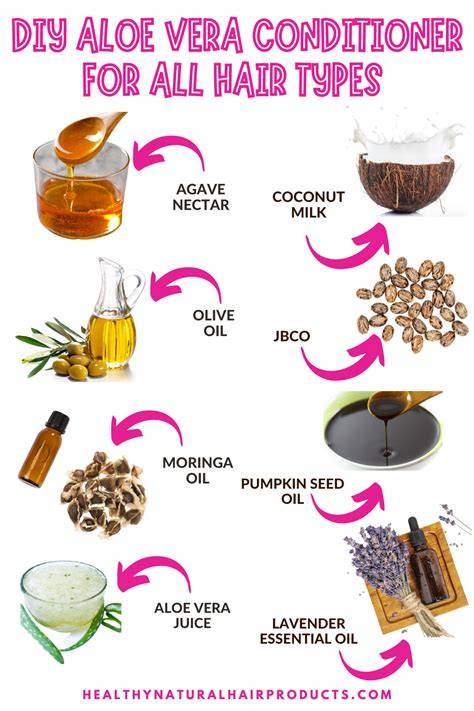
There are many ways to naturally condition hair without store-bought conditioners. A common approach uses nourishing oils such as olive oil, coconut oil, jojoba oil, argan oil, and vitamin E oil, often combined with water-based emulsions and natural emulsifiers. Coconut milk, aloe vera, yogurt, and honey can act as conditioning or moisturizing components in DIY mixes. Banana, avocado, and herbal infusions can also be used to boost moisture and shine. A basic DIY conditioner typically includes water, oil, an emulsifier, and a preservative if you’re making a product meant to last. The emulsifier (for example BTMS variants) helps create a creamy emulsion that coats the hair without weighing it down excessively. The pH should be considered to maintain hair cuticle health and preserve the mixture. When experimenting, always test on a small strand and adjust oil ratios, water content, and thickening agents to suit your hair type and climate.
Important considerations for homemade formulations include the need for a preservative because water-based products are susceptible to microbial growth, the selection of a suitable emulsifier to provide slip, and keeping the final product within a practical pH range (roughly 4.5-5 for hair compatibility). If you’re new to DIY conditioners, start with a simple recipe and gradually introduce variations such as different oils (jojoba, argan, coconut), a light fragrance or essential oil, and a small amount of aloe vera for moisture.
Frequently asked questions about DIY conditioner
- Can I skip the preservative? If stored at room temperature, no; use a broad-spectrum preservative or refrigerate and use within a short period.
- Can I use BTMS or another emulsifier? BTMS provides good slip and detangling; other cationic emulsifiers can work but results vary.
- How long does it last? With a preservative, 2-3 months; without one, about a week in the fridge.
- Can I use this as a leave-in conditioner? Yes, but use a very small amount, especially for fine hair.
- Can I customize oils? Yes; swap or blend oils as long as the total amount remains similar for consistency.
- How do I test pH? Adjust using lactic acid to lower pH or NaOH to raise as needed for hair compatibility.
Practical tips for choosing a conditioner for natural hair
- Identify your hair type and current needs: moisture, frizz control, slip for detangling, or strengthening.
- Check ingredient lists for moisturizing oils (coconut, argan, jojoba), butters (shea, cocoa), and gentle surfactants or silicones depending on your preference.
- Consider the conditioner’s purpose: daily moisturizing, deep conditioning, or curl-specific hydration.
- Balance price and performance: affordable options may meet your needs, while premium lines offer enhanced slip and targeted benefits for curly or dry hair.
- Experiment with a small bottle or travel size to determine how your hair responds before committing to larger purchases.
Short comparative overview of suggested products
For quick reference, here are some widely available options with a focus on moisture, slip, and suitability for natural hair:
- Soapbox Coconut & Shea Deep Moisture Conditioner with Vitamin E and Shea
- Pantene Pro-V Miracle Rescue Deep Repair Conditioner
- Herbal Essences Strength Conditioner with Papaya and Citrus
- Ouidad Curl Quencher Moisturizing Conditioner
- Renpure Tea Tree & Rosemary Rebalancing Conditioner
- Soapbox Biotin & Superfruit Volumizing Conditioner
- Maui Moisture Heal & Hydrate + Shea Butter Hair Conditioner
- Palmer's Tahitian Vanilla Hydrating Conditioner
- OGX Nourishing + Coconut Milk Moisturizing Hair Conditioner
Signs you have naturally CURLY HAIR and HOW TO take care of it
Table: sample conditioner features at a glance
| Brand and Product | Size | Main Benefit | Approximate Price | Notes |
|---|---|---|---|---|
| Soapbox Coconut & Shea Deep Moisture Conditioner | 16 fl oz | Deep moisture with Vitamin E | $7.97 | Good everyday moisturizing option |
| Pantene Pro-V Miracle Rescue Deep Repair Conditioner | 8 fl oz | Deep repair for all hair types | $12.97 | Higher price, targeted repair |
| Herbal Essences Strength Conditioner | 13.5 fl oz | Strengthens with papaya and citrus | $6.97 | Paraben free |
| Ouidad Curl Quencher Moisturizing Conditioner | 33.8 oz | Moisturizing for curls | $50.00 | Premium option, high slip |
In summary, natural hair responds well to conditioners that provide slip for detangling, moisture retention, and scalp-friendly hydration. Whether you prefer commercially available products or DIY blends, the key is to balance slip, moisture, and your hair’s unique texture to achieve smoother, healthier-looking curls or waves.
tags: #conditioner #for #natural #hair