Pubic hair is a distinctive feature that signals sexual maturation and helps protect and groom the genital area. It is markedly different from other body hair in texture, thickness, and pattern, and its presence, absence, or styling has influenced biology, health, culture, and personal choices throughout history.
What pubic hair is and why it appears
Pubic hair is terminal body hair found in the genital region and pubic area, developing during puberty as a result of rising androgens in males and estrogens in females. It forms in response to increasing levels of testosterone and other sex hormones in both girls and boys, and its distribution varies by genetics and race. The Tanner scale describes and quantifies the development of pubic hair, with stages that reflect progressive androgen sensitivity and maturation.
Pubic hair appears as a sign of sexual maturity, typically during early adolescence. If pubic hair or secondary sexual characteristics appear unusually early-precocious puberty-it may indicate underlying health issues such as a lesion activating the hypothalamus. In rare cases, pubic hair in infants can reflect abnormal testosterone exposure, as when a caregiver applies testosterone gel and the child experiences early virilization.
Biology and texture: why pubic hair is different
Pubic hair is notably coarser, thicker, and often curlier than scalp or other body hair. The hair follicles in the pubic region respond strongly to androgens, leading to its distinctive texture. The thicker, curlier hair helps trap pheromones and may aid in signaling sexual maturity, functioning as a “blinking marquee” of fertility for potential partners. The texture and coarseness also serve protective roles, providing a cushion and reducing friction during intimate activity.
Compared with other hair on the body, pubic hair has a unique combination of thickness, curl, and pigmentation. In many people, pubic hair is darker than scalp hair, reflecting higher melanin concentrations in the area. The pubic region can also host a variety of patterns, known as the escutcheon, with regional and individual variation in shape and density.
Evolutionary perspectives: crabs and signaling
Humans uniquely possess a thick bush of wiry pubic hair, which likely evolved as a visual signal of sexual maturation after the loss of body hair in other areas. It may also have functioned as an odor trap and aided pheromone dispersion. The presence of pubic hair serves as a potential cue for mating opportunities and genetic fitness in early human history.
Pubic lice, or crabs, provide another evolutionary angle. Molecular phylogeny suggests that pubic lice diverged from gorilla lice around 3.3 million years ago, implying a horizontal transfer from gorillas to humans via close contact and exposure to gorilla hair. Over time, grooming habits and modern hygiene practices have reduced the prevalence of pubic lice in many populations, though grooming also raises questions about infection risk via microtrauma during depilation.
Health aspects: benefits, risks, and grooming
Pubic hair may offer protection against friction burns during sex and may help shield the genital skin from minor injuries. However, it can also harbor bacteria and parasites, and grooming practices introduce risks of cuts, irritation, and infections. Studies have shown correlations between pubic hair grooming and increased risk of certain infections or skin issues, though the relationships are complex and influenced by grooming method, frequency, and individual health.
Grooming trends show a significant rise in hair removal in Western countries. Surveys indicate a majority of women and substantial proportions of men report some pubic hair removal, with motivations centered on appearance and partner preferences rather than health concerns. Complete hair removal and Brazilian waxing, in particular, are popular in some demographics, while others prefer trimming or leaving hair intact. It is important to weigh personal comfort, skin sensitivity, and infection risk when deciding how to manage pubic hair.
Pubic hair removal methods include shaving, waxing (including bikini and Brazilian styles), sugaring, and depilation or epilation. Shaving is quick but may cause irritation or ingrown hairs; waxing provides longer-lasting results but carries a higher risk of pain and skin trauma. Depilation methods remove hair above the skin, while epilation removes hair from the root. Following safe practices-such as exfoliating beforehand, using clean tools, and shaving in the direction of growth-can reduce adverse effects. Some individuals may choose not to remove pubic hair, recognizing that hair is a natural and normal part of anatomy.
Historical and cultural variations
Across cultures, pubic hair has carried different meanings and practices. In ancient civilizations such as Egypt and Rome, hair removal or grooming practices were used for hygiene or aesthetic reasons. In some Middle Eastern cultures, pubic and body hair removal has been part of hygienic practice for centuries. In Japan, depictions of pubic hair have varied over time, with some eras featuring explicit portrayal while others omitted it due to cultural norms. In Victorian times, pubic hair became a symbol of fertility, and merkins-pubic wigs-were used to maintain appearance after shaving.
Today, visual norms around pubic hair continue to evolve, influenced by media, fashion, and individual preferences. Some studies have linked pubic hair grooming to partner dynamics and perceived sexual desirability, though opinions vary widely. The question of whether to remove pubic hair is ultimately a personal choice, informed by comfort, health, and cultural context.
Practical guidance: quick reference on care and decisions
- Grooming choices are personal: shaving, waxing, sugaring, trimming, or leaving hair intact all have pros and cons.
- Shaving risks include irritation, cuts, and ingrown hairs; waxing can cause more immediate pain but longer-lasting results.
- To reduce irritation when shaving: exfoliate, use a clean razor, shave with the grain, and moisturize afterward.
- Hygiene: washing with warm water is usually sufficient; avoid harsh soaps that can disrupt the skin’s balance.
- Health considerations: pubic hair may offer some protection against friction; removal can alter infection risk, so personal choice matters.
Notes on terminology and scale
The term pubic hair encompasses the hair surrounding the genitals, including the mons pubis, labia, and perineal region in females, and the base of the penis and scrotum in males. The extent, color, and density of pubic hair vary by genetics, hormonal influences, and age, with patterns described in various cultural and medical frameworks.
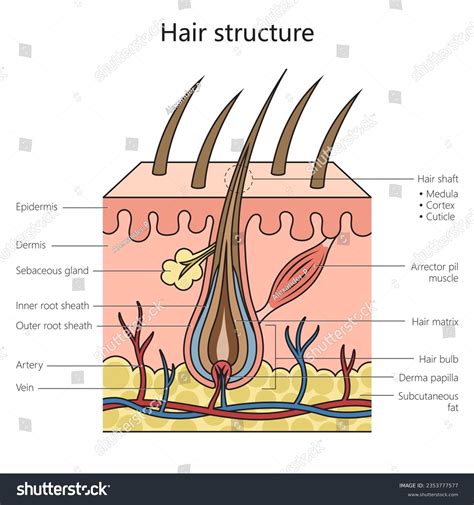
Why Do Humans Have Pubic Hair?
Note: The article compiles diverse perspectives and cases to explore the biology, evolution, and cultural aspects of pubic hair without endorsing specific claims.
Data highlights
| Aspect | Key points |
|---|---|
| Development | Pubic hair appears with puberty; Tanner stages describe progression; early onset may indicate health issues. |
| Texture | Coarse, thick, and curly; responds to androgens; possible signaling and protective roles. |
| Evolution | Visual maturation cue; possible odor/pheromone signaling; crabs (pubic lice) transferred from gorillas |
| Grooming trends | High prevalence of removal in many populations; motivations largely appearance-driven; methods vary widely |
| Health link | Removal may increase risk of microtrauma and infection; hair may offer protective benefits |