As seen on Jasmine Sanders, Tracee Ellis Ross and Yara Shahidi, curly fringes are the epitome of statement glamour. Here’s what to know before you cut one. Deciding to cut a fringe is always a sizeable decision; cutting a curly fringe is another thing entirely. For example, curly and coily hair tends to be oilier at the root and dryer towards the ends - something that can impact how a curly fringe will look. “The scalp naturally produces oil designed to travel down the length of the shaft, nourishing and protecting the hair. “Curly hair creates a break in the cuticle that then prevents the oil from efficiently travelling and moisturising the hair. However, this doesn’t mean a curly fringe is a no-go, just that keeping it looking its best might take a little more work.
Moisture is key
Unsurprisingly, hydration is crucial for coily and curly fringes. Nick Willis, master stylist at Charles Worthington Salon, Percy Street, breaks down why:“Caring for your curly fringe is the same as maintaining your full head of curls. I like to use the ‘LOC’ method - a three-step regime to lock in moisture and define your beautiful curls.“In terms of maintaining a curly fringe, make sure you sufficiently moisturise your fringe without over-drying the hair. I always say ‘let the hair do the work’ as this allows you to have naturally defined curls while avoiding frizz.“I recommend you style your curly fringe with curl creams and oils. These products will hydrate the hair shaft as well as repair the hair, prevent moisture loss and encourage beautifully defined curls.”
Add a wide-tooth comb to your routine
Traditional brushes can stress and strain the hair, creating frizz and static. Not ideal. Instead, choose a comb, the wider the better, to gently detangle. “I suggest you use a wide-toothed comb to style your hair and gently tease your curls from the root; this method will gently separate your curls and add volume,” explains Willis. “I like to also use my fingers to twist sections of curls for definition by ‘twirling’ strands of hair around my finger, then gently releasing them from the root through to the tip.”
Wrap wet hair in a downward motion
“After washing, wrap the hair in a towel to remove moisture, ensuring the curl direction is facing downwards to help keep the shape as it dries naturally. Try to avoid using a brush as it can create frizz - instead, use your hands to control the curls,” says Andrew. If you prefer to speed up your drying routine, Andrew suggests diffusing the hair on low heat, flipping your head upside down and pushing the air from the ends of your hair towards the root. This will help to maintain the curl structure without creating excess fluff.
Remember a curly fringe could ‘spring up’
Use caution cutting a curly fringe for the first time. A conservative cut will ensure you stay in the territory of the fringe you want, rather than accidentally ending up with a micro-fringe of sorts. “If you decide you want to cut in a fringe, then I would always tell my clients to be aware that their curly hair will spring up, therefore a fringe may look shorter than they anticipated,” says Willis. “A fringe is very personal to the wearer so I like to keep the fringe longer when freshly cut - you can always go shorter at a later appointment.”
Hair density can affect the way a fringe sits
“Depending on the density of your hair and how tight your curls are, thick hair can work in your favour as it creates weight and will sit well on your forehead,” says Willis.
Personal experiences and expert insights on curly bangs
The narrative of cutting curly bangs often combines personal transformation with expert guidance. The text includes experiences of trying curls, salons, and stylist tips, emphasizing that bangs are a commitment but also a powerful style statement. “Bangs are transformative,” explains Mischa, noting how a fringe can soften features and add definition. “Extra volume and texture are a given,” she adds, highlighting how face-framing layers can elevate updos. Vernon François describes bangs as versatile and capable of ranging from bold to romantic, while Mark Townsend emphasizes the manageable daily effort.
High maintenance, high reward is a recurring theme: bangs absorb more oil and sweat from the face, so they may require more frequent washing and trims. The routine might include dry shampoo between washes and occasional diffuser drying. The article also stresses that bangs can evolve: a fringe can start longer and be trimmed to a shorter style over time, with room for experimentation and adjustments based on comfort and styling skills. The narrative also includes practical product recommendations and cautionary notes about products and ingredients to avoid buildup and maintain moisture.
Practical steps to try at the salon
When considering a curly fringe, consult with a professional who understands textured hair. A dry cut is often recommended to account for shrinkage, with length checked when the hair is dry. The stylist should cut according to the curl pattern and spring factor. For the initial cut, some experts advocate starting with longer lengths and adjusting progressively. It’s also advised to bring inspo photos, but be prepared that results may be customized for your face shape and texture rather than a direct replica.
Shaping and styling after the cut
After the cut, styling typically involves leave-in conditioners and curl-defining products. Finger coiling, gel, and defining mousses help in preserving curl pattern and reducing shrinkage. A diffuser attachment can add volume while encouraging curl formation. Regular trims every four to six weeks help maintain the shape, especially for looser curls. For those who prefer DIY maintenance, some stylists support at-home trims with careful guidelines to avoid over-cutting.
Products and care routines highlighted
Key product categories discussed include curl creams, leave-in conditioners, curl gels, and defining mousses. Hydration strategies are emphasized, with recommendations for hydrating mists and nourishing sprays to keep curls energized. The guidance includes caution about oils and silicones, and suggests clarifying shampoos to remove buildup when needed.
Inspiration points from the article include live experiences and expert advice on choosing the right cut, preparing for the appointment, and maintaining the look after it’s achieved. A fringe is more than a fringe: it can be a transformative, customizable feature that complements your face shape, density, and lifestyle, while offering opportunities to experiment with texture, volume, and styling routines.
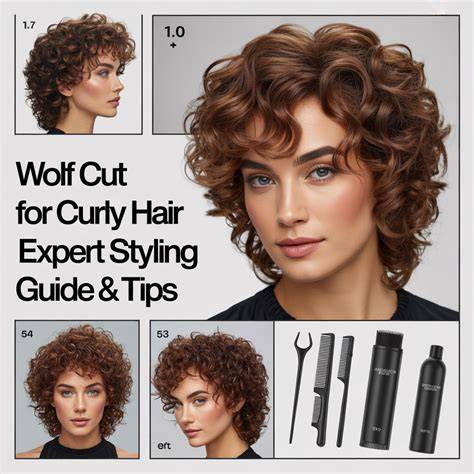
One major takeaway is a balanced approach: plan the cut with shrinkage in mind, maintain consistent trims, and invest in moisture and texture-enhancing products to keep curls defined and healthy. With the right guidance and routine, curly fringes can be a flattering and flexible statement that evolves with you over time.