Dandruff and dry scalp have the same main symptoms of falling flakes and an itchy scalp, but they’re two different conditions. You can manage dandruff with special shampoo and haircare products. Dry scalp is caused by a lack of moisture in the skin, while dandruff is caused by an excess of oil on the scalp and an overgrowth of Malassezia yeast. With dry scalp, your skin gets irritated and flakes off. With dandruff, the excess oil and yeast overgrowth causes skin cells to build up and then shed. Knowing which of these conditions you have can help you get the right treatment and banish those flakes for good.
Causes and distinguishing features
You can get dry scalp when your skin has too little moisture, so the skin becomes irritated and flakes off. If your scalp is dry, the skin on other parts of your body, such as your arms and legs, could be dry too. Dry scalp can also be triggered by factors such as cold, dry air, contact dermatitis (caused by a reaction to products you apply to your scalp, such as shampoo, styling gel, and hairspray), older age, and the use of products that strip the natural oils from your skin. The skin cells on your scalp and body normally multiply when you need more of them, then they die and shed off. During this process, your skin cells turn over on a regular basis or turn over faster in response to inflammation.
When you have dandruff, skin cells on your scalp shed more quickly than usual. The main cause of dandruff is seborrheic dermatitis, a condition that turns your skin oily, red, and scaly. The white or yellow scales flake off, creating dandruff. You can get seborrheic dermatitis anywhere you have oil glands, including your eyebrows, groin, armpits, chest, upper back, ears, and along the sides of your nose. In babies it’s called cradle cap. Often, a fungus called Malassezia triggers dandruff. This fungus normally lives on your scalp - but if you have too much of it, the skin cells multiply rapidly, causing flaking. Factors that can make Malassezia multiply include age, hormones, stress, and underlying medical conditions.
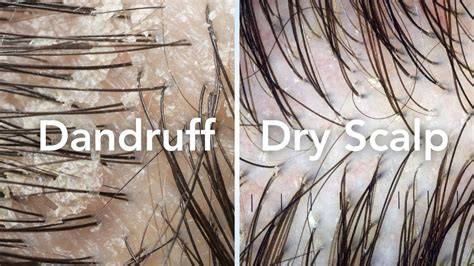
One way to tell the difference between dry scalp and flakes from dandruff is by their appearance. Dandruff flakes are bigger and look oily. In babies with cradle cap, their scalp looks scaly or crusty. Dry skin flakes are smaller and drier. Your scalp may feel itchy, but it won’t be inflamed like it may be with dandruff. The following is a comparison of the main symptoms of each condition:
Key symptoms at a glance
- Dandruff: larger, oily-looking flakes; red, inflamed scalp possible; often itchy.
- Dry scalp: smaller, dry flakes; tight, dry-feeling scalp; itching without significant inflammation.
Treatment approaches
You can treat most dandruff yourself with an over-the-counter (OTC) anti-dandruff shampoo. For mild dandruff, wash your hair every day with a gentle shampoo to reduce oil on the scalp. If your dandruff is more severe or a regular shampoo doesn’t work, try a dandruff shampoo. Most dandruff shampoos contain medication that kills the fungus on your scalp or removes flaky skin. Here are common options:
- Pyrithione zinc (Head and Shoulders): antifungal that kills the fungus causing flakes; gentle enough for daily use.
- Selenium sulfide (Selsun Blue): lowers fungus and helps prevent excess skin cell turnover; may affect hair color for blond/gray hair dyeing-consult a professional.
- Ketoconazole (Nizoral): antifungal; OTC or prescription strengths.
- Salicylic acid (Neutrogena T/Sal): removes excess scales but can dry the scalp.
- Coal tar (Neutrogena T/Gel): slows skin cell production; can darken light-colored hair.
Tea tree oil is another option for some, but some people may be allergic, so consult a doctor before trying it. Regardless of the shampoo chosen, follow the label instructions and rinse thoroughly. You might need to try a few brands to find one that works for you. If dandruff improves, you may reduce how often you use the shampoo; for stubborn cases, a stronger prescription shampoo, topical steroid, or topical antifungal may be prescribed by a dermatologist.
For dry scalp, use a gentle, moisturizing routine: wash with a mild shampoo, then apply a hydrating conditioner. Some scalp care steps include applying a light moisturizer before bed to see if flakes disappear after a morning wash, scalp treatments with steam, and optional scalp masks or deeper conditioning. Hair stylists may offer scalp-focused treatments to deliver moisture via steam, which can help if the scalp is very dry.
Other practical tips include avoiding harsh chemicals and oily products that can buildup on the scalp, exposing the scalp to a little UV light (carefully), and ensuring proper hydration from within by drinking plenty of water. Regularly using a scalp-friendly routine and avoiding over-washing can help maintain moisture balance and reduce flaking.
When to seek professional care
If OTC shampoos do not improve flakes after about a month, or if flaking is accompanied by redness, swelling, oozing, thick plaques, hair loss, or pain, consult a dermatologist. A dermatologist or doctor will assess your scalp to rule out other conditions such as eczema, psoriasis, fungal infections, or contact dermatitis. They may perform a scalp examination or biopsy if needed, and tailor a treatment plan that may include prescription shampoos, topical steroids, or in-clinic therapies. Keeping a symptom journal can help your clinician personalize treatment and track changes over time.
- OTC anti-dandruff shampoos for mild cases
- Prescription antifungal or topical steroids for chronic or resistant cases
- In-clinic therapies or scalp examinations if symptoms persist
Summary suggestions for everyday care include washing your hair with a suitable shampoo for your scalp type, using mild moisturizers, limiting harsh products, and monitoring symptoms. If you’re unsure about the cause, consult a dermatologist to determine whether you have dandruff, dry scalp, or another skin condition.
Seborrheic Dermatitis vs Dandruff vs Psoriasis | Expert Answers by Trichologist John Ranney
In cases where dermatitis or psoriasis is suspected, professional evaluation is essential for proper management. Regular care and appropriate treatment can help reduce itching and flaking and restore scalp health.