The topic of fading or removing permanent hair dye at home often leads to questions about safety, effectiveness, and potential damage. This article compiles practical methods and insights from the provided draft to explore how vinegar and other approaches can help lift or fade color while aiming to minimize harm to hair and scalp.
Vinegar and baking soda: a combination for dye lifting
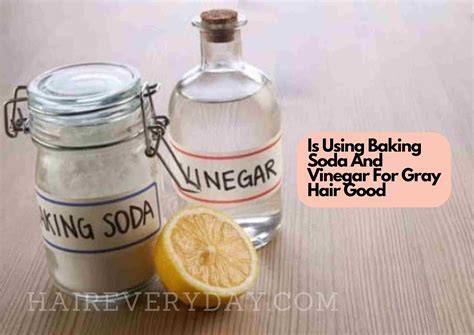
Vinegar works as it is acidic and can help to strip the hair dye from chemically treated hair. You can apply the vinegar by mixing it with a shampoo or by spraying the vinegar into your hair. Allow to soak for 10 minutes before rinsing and conditioning as usual. A 50:50 ratio works best. Baking soda is abrasive and can work to physically massage the dye lifting it from the hair. It also has a gentle whitening action. After shampooing with the vinegar, apply the baking soda generously and really massage the hair and scalp. Allow to sit for a few minutes and then rinse and condition the hair. Hot water works best for rinsing.
Alternative home methods mentioned in the draft
Some people swear by vinegar and baking soda while some have had great results with olive oil. Anti-dandruff shampoo is also said to work well for removing unwanted hair dye. You can apply the vinegar by mixing it with a shampoo or by spraying the vinegar into your hair. Allow to soak for 10 minutes before rinsing & conditioning as usual. A 50:50 ratio works best. Baking soda is abrasive & can work to physically massage the dye lifting it from the hair. It also has a gentle whitening action.
Safety and skin care considerations
The dye marks on the skin can linger for days, and while some home remedies offer relief, they can also irritate the scalp or skin. The draft notes that the chemicals in mainstream hair dyes are largely toxic and can cause skin irritation almost instantly, making careful use and patch testing important. Moisturizing and using gentler care routines after any dye removal attempt can help support the skin and scalp.
Going natural and reconsidering color
Switching to an all-natural brand or making your own henna hair dye is actually easy. The key step is that you must have natural hair, as in no synthetic hair dye in your hair before using a natural hair dye like henna. This is why removing the previous color is essential or you could crop your hair and start afresh. The draft describes experiences of trimming and changing hair length as part of a broader move toward minimalism and less product use.
Timing for re-coloring after removal
There are many reasons why a hairdresser advises waiting 4-8 weeks to re-colour your hair. Hair dye builds up on each hair strand, and re-coating it time and time again with new colour can lead to damaged, dry hair that breaks and splits. Taking care of your hair with gentle botanic extracts is essential for keeping the hair in top condition.
Scalp care and post-dye comfort
Applying a scalp oil can help to prevent it from becoming flaky and itchy. Most people do experience an itchy scalp after using chemical hair dyes, and this can last days and weeks, feeling like you are wearing an uncomfortable wig. The fundamentals of scalp care after dyeing include gentle cleansing and moisturizing to support comfort and health.
Natural color alternatives: what can dye hair naturally?
Henna, coffee, strawberries, blackberries, and even tea can impart color or staining effects. Alcohol can help the color penetrate the hair, and some DIY approaches involve soaking hair in natural extracts or mixing extracts into conditioner. These methods emphasize gentler, more natural color modulation compared with standard synthetic dyes.
| Method | How it works | Notes |
|---|---|---|
| Vinegar + Shampoo | Acidic action helps lift dye | Mix 50:50, soak 10 minutes, rinse |
| Baking Soda Massage | Abrasive lifting of dye | Massage on scalp, rinse, condition |
| Olive Oil | Moisturizes; may aid dye removal | Patch test first |
| Anti-dandruff Shampoo | Contains active agents that may help removal | Follow with conditioner |