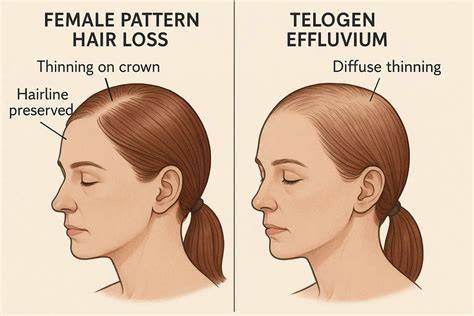
Hair loss is a concern often raised by patients considering or starting Zepbound (tirzepatide) for chronic weight management. While some individuals report shedding, the prevailing understanding is that Zepbound does not directly damage hair follicles. Instead, hair shedding is typically a temporary response to rapid weight loss and nutritional changes that can accompany treatment. Telogen effluvium, a reversible form of shedding, is the most commonly described pattern in this context.
Understanding the Link Between Zepbound and Hair Loss
The most likely mechanism linking Zepbound to hair loss is telogen effluvium triggered by physiological stress from rapid weight loss and altered nutrition. Tirzepatide’s dual GIP and GLP-1 receptor agonist actions promote substantial weight reduction, which can shift hair follicles from the active growth phase (anagen) into the resting phase (telogen). Approximately two to four months after this metabolic stress, affected hairs are shed, leading to noticeable thinning. There is no established direct pharmacological mechanism by which tirzepatide itself damages hair follicles.
Rapid weight loss, reduced caloric intake, and potential micronutrient deficiencies (protein, iron, zinc, biotin, vitamins) are key contributors. In addition, weight loss often coincides with delayed gastric emptying and decreased appetite, which can create nutritional gaps if meals are not well planned. This nutritional milieu supports TE more than it reflects a drug-specific effect on hair follicle biology.
What the Evidence Suggests About Incidence and Timing
Clinical observations and reviews note that hair shedding related to GLP-1/GIP therapies, including Zepbound, occurs in a minority of patients but is a recognized phenomenon. In some studies, hair shedding has been reported by a notable subset of participants, particularly women, but it remains largely described as a temporary TE process rather than a permanent drug toxic effect. The onset commonly falls within a window of a few months after initiation or during periods of rapid weight loss, with regrowth typically occurring as weight stabilizes and nutrition improves.
Several sources emphasize that GLP-1-related hair loss is not unique to Zepbound and can be seen with other weight-loss medications that induce rapid metabolic changes. The shared theme is that the cliff-edge stress of rapid fat and calorie loss disrupts the hair cycle, not that the drug directly harms hair follicles.
Practical Prevention: Nutritional Strategy and Weight-Loss Pace
Prevention and mitigation center on nutrition and moderating the rate of weight loss. Key steps include:
- Prioritize daily protein intake (generally 0.8-1.2 g/kg body weight) to supply keratin synthesis and support hair follicles.
- Ensure adequate micronutrients: iron ( ferritin baseline check; supplementation if deficient), zinc, biotin, vitamins A, C, D, and E.
- Work with a registered dietitian to craft a nutrient-dense plan that accommodates reduced appetite and ongoing weight-management goals.
- Aim for gradual weight loss (for example, about 1-2 pounds per week or 5-10% over 6 months) to reduce metabolic stress on hair follicles.
- Maintain hydration and manage gastrointestinal side effects to optimize nutrient absorption.
In parallel, consider a measured approach to dose titration and therapy pacing with a clinician to balance efficacy with tolerability, which can help minimize abrupt nutritional shifts.
Treatment Options if Hair Loss Occurs
If hair shedding occurs despite preventive measures, several strategies may support regrowth and minimize further shedding:
- Address nutritional deficiencies identified by labs (iron/ferritin, vitamin D, and other relevant markers).
- Consider topical minoxidil as an FDA-approved option for promoting hair regrowth in certain patterns of shedding.
- Explore low-level laser therapy devices as adjunctive therapy for hair density improvement, noting that evidence is moderate and off-label use for TE is possible.
- Investigate dermatology referral if shedding is severe, progressive, or accompanied by scalp inflammation or patchy loss to rule out other diagnoses such as androgenetic alopecia or alopecia areata.
- Discuss with a clinician the role of supplements only if a true deficiency exists; biotin supplementation, in particular, is not routinely recommended for individuals without a deficiency.
In some cases, hair regrowth can take several months. Most patients see recovery once weight loss stabilizes and nutritional status normalizes, often within 6-12 months, though timelines vary based on the duration and severity of deficiencies, and individual biology.
Long-Term Outlook for Hair After Zepbound-Related TE
The prognosis for hair recovery after Zepbound-associated telogen effluvium is generally favorable. Telogen effluvium is non-scarring and self-limited; hair follicles typically resume growth once the triggering stressor subsides and nutrition improves. Visual improvement in hair density often becomes noticeable after 6-12 months, with full restoration possible over a longer period depending on ongoing weight management and nutrient status.
If shedding persists beyond 6-9 months, or if new patterns of shedding emerge, a dermatological evaluation is warranted to exclude other causes. Regular monitoring of nutritional markers is prudent for patients continuing Zepbound therapy for weight maintenance.
What Patients Often Ask
- Is hair loss from Zepbound permanent? No. Zepbound-related hair loss is typically temporary telogen effluvium that resolves as weight stabilizes and nutrition normalizes.
- How much protein should I eat to prevent hair loss on Zepbound? Approximately 0.8-1.2 g/kg of body weight per day, from quality protein sources.
- Should I stop taking Zepbound if I experience hair loss? Do not discontinue without consulting your healthcare provider; discuss strategies to protect hair while continuing weight-management goals.
Additional Notes on the Evidence
Many reviews emphasize that while hair shedding is associated with rapid weight loss, it is not a direct effect of tirzepatide or other GLP-1/GIP receptor agonists on hair follicles. The body’s response to metabolic changes and nutritional shifts appears to be the main driver. Ongoing research continues to clarify the nuances of TE in the context of GLP-1-based therapies, but current guidance supports nutrition-centric prevention and time-based recovery as the typical course.
Does Ozempic Cause Hair Loss? Dermatologist Dr. Dray Weighs In
If you’re considering Zepbound and curious about potential hair-related side effects, discussing plan details with your clinician can help tailor nutrition, pacing, and supplementation to minimize shedding while preserving weight-loss benefits. Hair health can often be supported by focused dietary choices, measured weight loss, and appropriate medical guidance.