Scalp psoriasis refers to psoriasis that affects the scalp, forehead, back of the neck, hairline, or the skin around a person’s ears. Many people with scalp psoriasis wonder whether chemical processes like dyeing their hair will aggravate their symptoms. Though there is a risk that hair dye can irritate a dry, flaking, or itchy scalp, not everyone with psoriasis experiences adverse effects after dyeing their hair. In some cases, the thought of being unable to dye your hair ever again may be as frustrating as the psoriasis itself. Ultimately, it is your decision whether to color your hair. While some doctors advise holding off on dye while experiencing a flare-up, this advice does not necessarily mean you can never safely color your hair. Here, we will take a look at what doctors say about the potential risks of hair dye for people with scalp psoriasis, as well as how to dye your hair with as little discomfort as possible. Be sure to talk to your dermatologist before applying new chemicals or products to an area affected by psoriasis.
Is Hair Dye Safe for People With Scalp Psoriasis?
There are several points of view on the safety of hair dye for people with scalp psoriasis. Some researchers say there is no evidence that hair color or other chemicals will cause psoriasis flares or make the condition worse. Others note that certain ingredients in hair dyes and other hair products can irritate the scalp, causing flares or allergic contact dermatitis in people with psoriasis. In the end, it’s important to consult with a dermatologist or other health care provider to determine what processes and hairstyles are safe for you based on your psoriasis symptoms.
MyPsoriasisTeam Members on Dyeing Hair and Scalp Psoriasis. MyPsoriasisTeam members have had a variety of experiences with hair dye and scalp psoriasis. One member wrote, “Yes, you can dye your hair. … It will burn your scalp if your psoriasis is cracked, though.” Another agreed, adding, “You can dye your hair. However, yes, it’s going to burn.” Why does it burn? Psoriasis causes tiny cracks in the skin. When you use hair dye, some of the ingredients in it may penetrate the skin through these cracks and cause irritation. Others found that dyeing their hair actually seemed to help their scalp psoriasis go away. One member noted, “Me and my mum have both found that every time we dye our hair, our scalps seem to improve … especially if the product has peroxide in it. Although it seems to sting at first, it clears our scalp almost immediately.” Another agreed, with a caveat: “Hair dye works for me, too, but after a while, it begins to itch again!”
Minimizing the Risk of Scalp Psoriasis Flare When Dyeing Hair
- Talk to Your Hairdresser
Find a hairdresser who has experience dealing with scalp psoriasis. These professionals will have an understanding of how to care for your hair and scalp in a way that is less likely to cause problems. Once you find someone you trust, talk to them about your scalp psoriasis. They may ask you questions about what has triggered your skin condition in the past and help you find gentle products that won’t aggravate your symptoms. - Hold Off on Dye During Flares
It may be best to wait on hair treatments like hair dye, bleaching, or chemical relaxers until after flare-ups have subsided. The chemicals used in these treatments may worsen psoriasis and irritate existing lesions. If you’re experiencing a scalp psoriasis flare-up, it may be wise to cancel your hair appointment and wait until things clear up. Treat your psoriasis first, then dye your hair with confidence. If you’re dealing with a scalp psoriasis flare, talk to your dermatologist about prescription medicines that can help clear your scalp. - Use Hair Products Designed for Scalp Psoriasis
There are products designed for scalp psoriasis or scalp sensitivities, including coal tar or salicylic acid shampoos that may help reduce scaling and inflammation. Bringing your own products to the salon can help avoid introducing chemicals that might cause a flare. - Perform a Patch Test
Most hair dye instructions recommend a patch test before use. A patch test involves dyeing a small section of your hair and waiting to see if it triggers your psoriasis. Talk to your dermatologist as well; they may perform a patch test with other chemicals found in hair dyes to find a safe option for your scalp. - Protect the Skin Near Your Scalp
Before coloring, protect the skin around the scalp by applying conditioner or petroleum jelly over the ears, hairline, and neck so that dye does not contact skin directly. This protection can limit the size of a potential flare and minimize its visibility if it happens. - Find Natural Hair Dyes
Some people prefer natural dyes formulated for sensitivities. Henna and other plant-based colors may be gentler, though they are not free from risk and may not work for everyone. Natural dyes may still trigger flares or allergies depending on ingredients. - Try Different Styles of Dyeing
Techniques such as balayage, starting from the crown or midshaft, can reduce scalp irritation while still delivering great results. Discuss different approaches with your stylist to minimize scalp contact with dye. - Talk to Your Dermatologist
Before dyeing your hair, consult your dermatologist for medical advice on the safest coloring options. They can recommend products that have worked for others, help you find a hairdresser with experience in scalp psoriasis, or provide treatments to control symptoms before a coloring appointment.
Understanding Dandruff and Dyes: What’s Related?
Hair dye can lead to scalp irritation and flaking, but dandruff is not caused by dye alone. Dandruff is largely linked to Malassezia globosa and oil (sebum) interactions on the scalp. Dandruff flares may be triggered or worsened in a scalp already prone to psoriasis or irritation, and certain dye ingredients such as PPD can act as sensitisers, triggering reactions after repeated exposure. If you experience flaking after coloring, consider using anti-dandruff shampoos designed for colored hair and matching conditioners, and avoid harsh sulfates that can strip protective oils from the scalp.
Common skin reactions to hair dye include stinging, burning, itching, redness, dryness, and in some cases, blisters. If a reaction occurs, a doctor may prescribe emollients, steroid creams, or antihistamines. Patch testing with a dermatologist can identify ingredients that trigger allergies, enabling safer dye choices. Organic and plant-based colors are often marketed as gentler, but they may still cause irritation in sensitive individuals.
Practical Steps After Coloring
- Rinse Thoroughly
Ask your stylist to rinse your hair multiple times with lukewarm water to remove all traces of dye. - Choose Gentle Aftercare
Use color-safe, sulfate-free shampoos to protect your scalp’s moisture and reduce irritation. - Avoid Scratching
Scratching can worsen irritation and lead to infection. Be mindful and follow post-coloring care guidance. - Hydrate Your Scalp
Apply a soothing scalp serum, leave-in conditioner, or natural oils (coconut or almond) to restore moisture. - Delay a Full Shampoo
Wait at least 48-72 hours before a full shampoo to let the scalp settle.
If you have severe sensitivity to PPD or other synthetic dye components, you may not be able to use chemical permanent dyes safely. Organic and plant-based hair colors offer a safer, gentler alternative for those seeking to avoid harsh chemicals, though they may not be suitable for everyone. When hair dye comes into direct contact with your skin, it can trigger allergic reactions in some individuals, with symptoms ranging from mild stinging to significant itching or redness.
Note: Always discuss with your dermatologist and consider a patch test before trying any new hair dye product. The goal is to color your hair with minimal discomfort while maintaining scalp health.
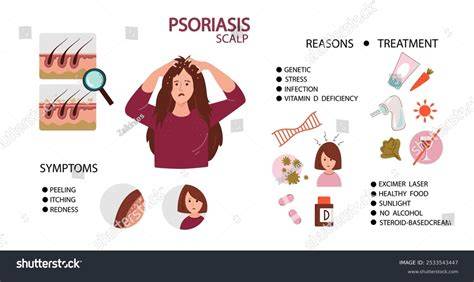
Hair Dye Hazards For Psoriasis
Table: Quick Reference - Dye Types and Irritation Risk
| Dye Type | Ammonia-based | Ammonia-free (MEA, etc.) | Organic/Plant-based |
|---|---|---|---|
| Typical pH | Very high (alkaline) | High, but lower than ammonia | Lower, gentler chemistry |
| Irritation potential | Higher risk | Moderate, left residue possible | |
| Residue concern | Rinses out with water | May leave residue (MEA persists) | |
| Allergen risk (PPD) | Common | Possible | |
| suitability for psoriasis | Variable; may trigger flares | Better options for some, patch test advised |