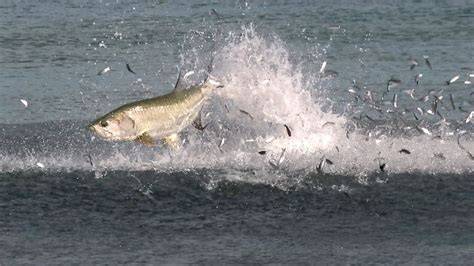
The Florida mullet run is a seasonal, spectacular natural event where millions of finger mullet migrate south along the state’s coastline, turning beaches, inlets, and passes into feeding frenzies for predators.
What makes the run happen
Millions of mullet gather into massive schools, migrating southward as the waters cool and daylight shortens. The mullet run is an annual migration where finger mullet. Juvenile mullet measuring 3-7 inches, travel in tight schools along the Atlantic coast. The mullet parade coincides with the redfish autumn spawning run to inlets and sounds, and oversize drum are delighted with the sudden bounty. Biologists have documented Gulf of Mexico white mullet migrating 100 miles during the run. These particular fish move chiefly east and west, not north and south. A wide array of gamefish species follow mullet schools as they run the predator gauntlet to perceived safe havens.
Timing and locations: when and where to watch
The run typically begins in September and continues through November, with the heaviest activity often peaking in October. Starting along the east coast of Florida, mullet can be seen pushing south from the Space Coast down through Palm Beach and into the Florida Keys. Along the Space Coast, the migration may trickle out around Halloween, but on good years, the mullet supply and good fishing remain through Thanksgiving. The best locations to observe the migration include offshore areas around Port Canaveral and Sebastian Inlet; other rewarding spots include Mosquito Lagoon and the Indian River Lagoon. These viewing areas are public beaches with no entry fees.
Predators chasing the parade
Predators drawn to the moving buffet include tarpon, snook, redfish, seatrout, jack crevalle, bluefish, Spanish mackerel, and the biggest ladyfish of the year. Tarpon generally hang around until the first cold fronts of October push them south, while sharks also exploit mullet schools with wire leaders often necessary for the larger specimens. Consistent snook action begins around Sebastian Inlet, south of Cape Canaveral, with increases along the inlets and jetties. The migration attracts a diverse array of predators from small jacks to giant tarpon.
Gear, tactics, and rigs for the run
Using a live finger mullet is almost a no-brainer during the mullet run. A standard fish finder rig works great: about two feet of 50-pound test mono or fluorocarbon leader with a 2/0 to 5/0 Daiichi D84Z circle hook, tied to one end, and a stout barrel swivel tied to the other. Run the main line through a 1/2 to 1-ounce egg sinker and tie to the swivel, using just enough weight to keep the bait on the bottom. In the surf, this rig will roll and move, which is desirable for some anglers. For tarpon, free lining a full-grown mullet on a 9/0 to 10/0 Daiichi D72Z circle hook with a 60-80 lb leader is common; sharks require a few feet of wire leader (I use #9 single strand stainless steel).
Top lures shine during the run, with topwater provoking incredible hits and long, loud strikes. Effective topwater options include the Super Spook XT, Williamson Surface Pro, Bass Pro Shops Offshore Angler Pencil Popper, and the Oden Lures 1.5 ounce Frigg Popper (which can be filled with Fish Smack attractant). If the topwater bite slows, subsurface plugs like the Yo-Zuri Mag Darter, Daiwa Salt Pro Minnow Bullet, and Rapala X-Rap Long Cast Shallow perform well. Spoons remain popular in the surf for their distance and tracking, especially in rough water; consider slab-style spoons in 1-3 ounce ranges such as Hopkins, Crippled Herring, and Kastmaster. Jigs like a three-inch D.O.A. CAL Shad Tail on a 1/4-3/8 ounce head are effective along the bottom of the first trough or around inlets’ jetties.
For heavier game, you’ll need tougher gear: 30-pound test braided line on 6000-7000 size reels, nine-foot surf rods, and a strong leader (60-80 pounds). In some scenarios, anglers opt for 40-50 pound braid; the choice depends on target species and personal preference. When targeting sharks, tarpon, snook, or larger redfish, consider stepping up tackle for a better chance at landing the bigger fish.
Shoreline and structure-focused strategies
Ambush points like seawalls, bulkheads, rocky shorelines, and docks concentrate mullet and attract predators. Seawalls direct and occlude mullet movements, forcing them to move predictably and presenting prime opportunities for snook and other predators. At night, underwater lights around docks and bridges concentrate fish and offer productive fishing. When fishing from shore, use standard gear (30-pound class, 60-pound leader, 6/0 circle hook) and consider lures that mimic mullet’s natural hues (chartreuse, red-and-white, black, or greenbacks with natural bodies). Live bait is hard to beat on a calm day, and casting from the beach remains a viable option during low light.
Night fishing and inlets
Night fishing around dock lights and bridges can yield impressive tarpon and snook action, with tarpon and other predators feeding aggressively on mullet in the glow. Inlets are particularly productive for tarpon in the evening and night hours, as fish move through the current and hunt the bait under the cover of darkness. Be prepared for bite dynamics that occur as tarpon leap and transfer the strike from water to air, often before you fully react.
Seasonal nuances and weather impacts
Weather is a key driver of mullet movements. Cooler temperatures, northerly winds, and extreme high tides influence where the mullet move. Hurricanes, high seas, or rough surf can push the bait offshore, limiting angler access and reducing bite opportunities. Finger mullet typically appear by late August, with larger schools and bigger mullet appearing as September progresses. Conditions that slow or pause the run create pockets of scattered feeding, while windy, choppy days can intensify feeding as flurries of action occur along the shore.
Fishery basics and regulations
In Florida, you need a license for most fishing activities. The Florida Fish and Wildlife Conservation Commission (FWC) sets specific limits and regulations. For mullet, there is no minimum size limit, but the daily bag limit is 50 fish per person from September 1 to January 31. Licenses are required for saltwater fishing; residents can obtain licenses at reduced rates, while non-residents have higher fees. Youth under 16 and residents 65+ are exempt from license requirements but must still follow all regulations. Always check local restrictions before heading out.
Monitoring the run and viewing opportunities
The Florida mullet run is best observed along the east coast, starting near the Space Coast and moving south toward Palm Beach and the Keys. The best viewing spots include Port Canaveral, Sebastian Inlet, Mosquito Lagoon, and the Indian River Lagoon. For observers seeking both viewing and fishing opportunities, organized tours provide boat-based access to active schools and schooling predators, though prices vary by package.
What to observe and why it’s spectacular
When mullet push through, you’ll witness cartwheeling tarpon and snook among a chaotic mix of sharks, jacks, and bluefish sweeping the edges of the schools. Birds such as pelicans and ospreys dive to catch exposed bait, completing a dynamic coastal scene. The sheer size of the schools can cover areas the size of a football field, with mullet leaping and predators breaking the calm with dramatic strikes. The run is not only about fishing success; it’s a natural theater of predator-prey interactions that showcases the strength and resilience of Florida’s coast.
Practical field notes: quick references
- Top ambush points: seawalls, bulkheads, and rocky shorelines; begin with topwater plugs at first light.
- Targeted species: tarpon, snook, redfish, jack crevalle, bluefish, Spanish mackerel, ladyfish; sharks and tarpon top the list for big gamefish.
- Gear guidelines: 30 lb braid on 9’-10’ surf setups; 60-80 lb leaders for big predators; adjust weight to keep bait near bottom in surf conditions.
- Hook placement tips: vary by structure and target species; lips, dorsal fin, or in front of the dorsal depending on scenario.
- Night vs. day: night fishing around lights often yields tarpon and snook, while daytime targets action around schools and inlets.
Helpful notes on viewing and experiences
Organized tours and fishing opportunities are available, with packages ranging from simple viewing to guided fishing experiences. The mullet run is a dynamic phenomenon with many variables, and every season offers a unique tapestry of fish, weather, and opportunities for anglers and observers alike.