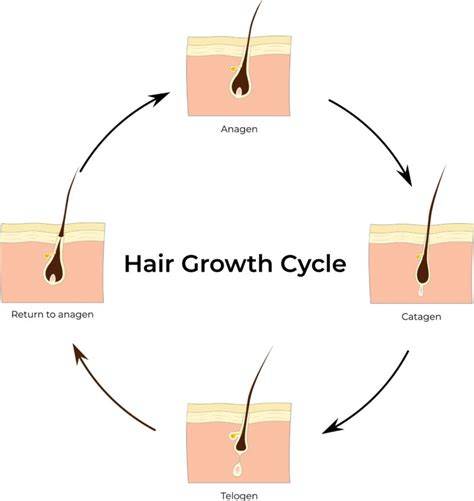
Hair is considered as a sign of beauty and one of the first things that we notice about people. Hair plays a major role in framing one’s personality. Treated as a piece of art, a head full of thick, shiny and bouncy hair can change your look completely. On the other hand, a receding hair line and hair loss can really get you stressed! Hair loss can occur anywhere on the body, but it most commonly affects the scalp. The scalp has around one lakh hair that are in a continuous cycle of growing, resting, falling and regeneration. Mostly people lose around 50 to 100 strands of hair per day which is natural and part of the cycle. If this cycle is disturbed or there is damage to hair follicles, it will lead to falling of greater number of hair than the number being regenerated. Hair fall can occur in various ways such as hair coming out in clumps, receding hairline and thinning of hair1,2.
What Causes Hair Fall?
A host of reasons can cause hair fall, one or more:
- Heredity
- Age
- Alopecia Areata
- Childbirth
- Hormonal Imbalance
- Scarring Alopecia
- Thyroid Conditions
- Scalp Psoriasis
- Cancer Treatment
- Nutritional Deficiency
Hair loss due to a hormone imbalance is not always permanent in some cases, thicker hair can regrow after restoring hormonal equilibrium. Dr. M.G. Kartheeka, MBBS, MD(Pediatrics)
Symptoms of Hair Loss If you keep suffering from hair loss, you can never have thick hair4. A few people may develop other signs and symptoms along with hair loss as follows: Sharp burning or tingling sensation just before hair loss; Itching and burning sensation at the site of hair loss; Redness and swelling on the sores that cause itching and ooze pus; Bald patches that are scaly and often have sores or blisters that open and leak pus.
Therefore, accurate diagnosis and professional guidance are important before attempting remedies.
Suggested Home Remedies for Thick Hair
1. Amla: Amla oil can be prepared by boiling dry amla pieces in coconut oil. It works as a wonderful hair tonic that helps in hair growth. You can also mix fresh amla juice and lime juice and apply this to prevent hair loss and increase hair growth. Together this should help obtain thick, shiny hair5.
2. Onion: Onion is very beneficial in treating patchy baldness. Rub onion juice on the scalp until red and apply honey afterwards to support hair growth5.
3. Rosemary and Lavender Oil: Application of rosemary and lavender oil topically on the scalp stimulates the hair follicles. Massage with these oils daily to reduce hair loss5.
4. Walnut Oil: Walnut oil promotes hair growth and nourishes the hair naturally. Apply walnut oil on the scalp and massage into the roots to fight hair loss5.
5. Liquorice: Grind liquorice with milk and saffron to form a paste. Apply on bald patches before bed to support hair growth6.
6. Sage: Sage helps in thickening the hair shaft and improves blood flow to the scalp. Mix sage oil with peppermint oil and olive oil for scalp massage; rinse with a sage-rosemary rinse to promote thickening2.
7. Bee Pollen: Bee pollen stimulates hair growth. Prepare a mask with bee pollen and hot water or add bee pollen to shampoo for a boost2.
8. Green Tea: Green tea helps decrease hair loss and stimulates growth. Rinse with green tea or use a mask with green tea, coconut oil and olive oil. Keep it a few minutes, then wash off2.
9. Hibiscus: Hibiscus paste applied to hair improves dense growth by increasing scalp blood flow2.
10. Peppermint Oil: Peppermint promotes hair health. Massage peppermint oil directly on the scalp6.
These remedies form part of a broader, multi-factor approach to promote thicker hair, especially when used alongside lifestyle and dietary adjustments.
Diet and Nutritional Support for Thicker Hair
One of the easiest ways to thicken hair is through diet and supplements. If you are concerned about nutrient deficiencies, a blood test and professional guidance are advised. Look for multivitamins packed with keratin, L-lysine, soya protein, iron and vitamins B12 and D3, which contribute to hair thickness. Biotin is commonly recommended as a strengthening vitamin for hair, skin, and nails; however, excessive intake should be discussed with a healthcare professional. Foods rich in biotin include egg yolks, legumes, liver, nuts and seeds. A simple, nourishing diet rich in lean proteins, leafy greens, and vitamin A-rich vegetables supports hair health.
In some cases, supplements such as iron, zinc, omega-3 fatty acids, and B vitamins may help if deficiencies exist. It is important to discuss any supplementation with a doctor, especially if you have acne-prone skin or other conditions.
Hair Care Practices That Help Thick Hair
Shampooing and conditioning: Regular washing helps maintain a healthy scalp environment. Thickening shampoos can lift oil and buildup without weighing hair down. A good pre-shampoo treatment can add elasticity and strengthen hair prior to washing. Use conditioner after every shampoo, applying more carefully to the ends for fragile hair.
Styling and tools: For thickening, choosing volumizing products, light mousses, and root-lift sprays can help. A ceramic-barrel brush and an ionic dryer can contribute to smoother, fuller results. When blow-drying, aim heated air at the roots and use a round brush to lift volume at the crown. Avoid excessive layering if your goal is more volume; a blunt, evenly cut style is often advantageous for fine hair.
Heat and color: Excessive heat and chemical processing can weaken hair. Use heat protectants, minimize heat exposure, and consider color treatments that are less damaging while providing the illusion of depth and thickness.
Scalp health: Regular scalp massages can improve blood flow to hair follicles and may contribute to growth. Exfoliating the scalp helps remove buildup and supports healthy hair growth. A healthy scalp environment is essential for hair thickness over the long term.
Lifestyle: Manage stress, sleep well, and avoid restrictive diets that deprive hair of essential nutrients. Adequate protein intake supports hair growth; drastic weight loss can temporarily worsen hair shedding. See a doctor if hair loss is sudden or accompanied by other symptoms.
Medical and Professional Options
In some cases, conditions such as androgenetic alopecia or telogen effluvium require medical management. Treatments may include topical minoxidil, prescription anti-androgen medications, or other medical therapies. If hair thinning is pronounced or persistent, consider consulting a hair specialist for a tailored plan, which may include laser therapy or other non-surgical options. Virtual consultations with clinics can also provide guidance and access to medical-grade solutions.
Cutting and Styling for a Thicker Appearance
For a quick visual boost, a shoulder-length blunt cut or straight styles can create the illusion of more volume. Avoid excessive layering. A micro-trim every 6-8 weeks can help keep ends healthy and prevent split ends from making hair look thinner. When styling, aim for volume at the roots and a fuller overall silhouette.
Common Myths and Realities
There is no evidence that shaving the scalp thickens hair; the effect is an illusion created by the regrowth of hair with a different texture. Dandruff itself does not cause permanent hair loss, though scalp health is important. There is no universal one-size-fits-all solution; improving thickness often involves a combination of factors including health, nutrition, scalp care, and appropriate products. Always consult a medical professional before starting supplements or medications for hair loss.
Practical Takeaways
- Identify potential causes of thinning, including genetics, hormonal changes, nutritional deficiencies, and stress.
- Adopt a holistic approach: diet, scalp health, appropriate products, and gentle styling.
- Consider evidence-based remedies and consult a professional for medical options if thinning persists.
Note: This article is for informational purposes only and does not constitute medical advice. Always consult a doctor for medical concerns about hair loss.