You’ve probably heard all three terms tossed around like they mean the same thing. Grey hair, white hair, silver hair-aren't they just different words for the same hair color that shows up when you stop dyeing? Not exactly. While they're all describing non-pigmented hair, the distinctions matter more than you'd think, especially if you're considering going grey or already in the thick of your grey hair timeline.
Understanding what's actually happening on your head-scientifically and aesthetically-helps you make better choices about your hair care, styling, and how you feel about the whole thing. Before we can distinguish between grey, white, and silver, we need to understand what's going on at the cellular level. Your hair color comes from melanin, the same pigment that darkens your skin. Hair follicles produce melanin in two forms: eumelanin (which creates red and brown tones) and pheomelanin (which creates yellow and red tones). But at some point-genetically predetermined, though stress and other factors can influence timing-your hair follicles stop producing melanin. This happens because the cells that make melanin, called melanocytes, gradually die off.
Your body also produces less catalase, an enzyme that breaks down hydrogen peroxide naturally present in your hair. When hydrogen peroxide builds up without being broken down, it bleaches the melanin from within, and your hair loses its color. At the same time, your hair fills in with air pockets. The timeline varies wildly. Some women go grey in their twenties; others don't see it until their fifties or sixties. Your genetics, ethnicity, and even lifestyle play a role.
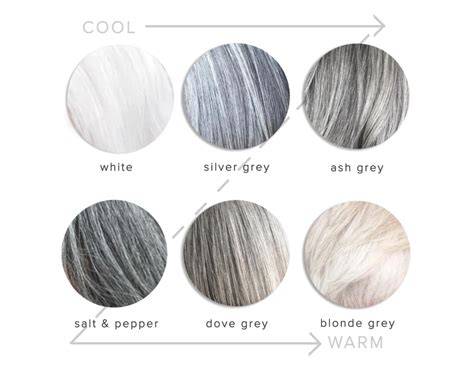
Grey, White, and Silver: What Each Stage Really Means
Grey hair is what happens when you have a blend of pigmented and non-pigmented strands. It's the transitional phase-your head is still producing some melanin in some follicles, while others have given up entirely. This is why grey hair can look like an actual grey color rather than pure white: it's literally a mixture. If you have dark brown hair and 30% of your follicles stop producing color, your head will read as a brownish-grey. This is the stage most women spend the longest in, especially if they're transitioning to grey hair naturally without dye. Some women find this phase beautiful and full of dimension. Others find it harder than the end result-the lack of uniformity can feel messy before it settles into something cohesive.
The percentage of grey you're carrying can shift month to month, which means your hair color literally changes as you age. The length of the grey phase depends partly on your genetics-how fast your remaining follicles give out-and partly on your starting color. If you're naturally very dark, you might maintain visible grey for years.
White hair is what you get when essentially all of your hair follicles have stopped producing melanin. Every single strand is non-pigmented. This is the endpoint, though the timing is individual. White hair isn't always actually white in the way you might imagine. Because your hair is now filled with air pockets, it reflects light differently. It can appear bright white, creamy white, yellowish-white, or even pale blonde, depending on your hair texture, the structure of those air pockets, and the lighting you're in. The texture of your hair also changes-non-pigmented hair tends to be coarser and more wiry, which affects how light bounces off it. Some women who go entirely white report that their hair feels different too-not just looks different, but has a different texture and weight. This matters when you're choosing how to care for it.
Silver hair is what you call the hair when you style it, treat it, or think about it with intention. It's not a scientific category-it's an aesthetic one. Silver implies a certain polish, a deliberate presentation. In other words, silver hair is what happens when you move from "my hair turned non-pigmented" to "I'm rocking this non-pigmented hair and making it look intentional." This could mean using a purple-toning shampoo to neutralize any yellow in your white hair, getting strategic highlights or lowlights to add dimension, choosing a cut that suits your new texture, or wearing colors and styles that make your non-pigmented hair feel like a feature rather than something that happened to you. The silver sister movement uses this term deliberately. Silver isn't about pretending your hair is something it's not; it's about claiming it confidently and making it work for you.
Transition on a Spectrum: Varied Looks Across Ethnicity and Lifestyle
These three categories aren't rigid boxes; they're points on a spectrum that you move through over time (or exist in simultaneously, if you're still in transition). Some people have grey hair in some sections and white in others. Your hairline might be completely white while your crown still has pigmented strands. Your new growth might come in whiter while your mid-lengths are still grey. Your ethnicity also affects how these phases look. Women with naturally Black, Brown, or darker complexions often see their grey phase as more dramatic because the contrast between pigmented and non-pigmented hair is sharper. Women with naturally lighter hair might not notice a significant grey phase at all-the transition from light brown to white might be subtle enough that they skip the obvious "grey" stage.
And then there's the dye factor. If you've been coloring your hair and decide to stop, your transition experience depends entirely on your starting color and how much of your hair has naturally gone grey. Some people are shocked to discover they're much greyer than they thought.
Care Implications Across Phases
If you're in the grey phase, you're managing pigmented and non-pigmented strands simultaneously. This can work beautifully, but it also means you might need hair care that addresses different needs in different sections. Some of your hair may need moisture and shine; other parts may be drier. Texture can vary too. If you're reaching white hair, the main considerations are texture management and tone. Non-pigmented hair tends to absorb pigment more readily, which is why your white hair can pick up yellow tones from environmental factors (chlorine, pollution, heat styling). A good grey hair shampoo-usually one with purple or blue toning-becomes a practical staple. If you're cultivating silver hair, you're being intentional about presentation and care. This might mean investing in quality haircuts that work with your new texture, choosing what to wear with grey hair to complement it, or finding products that make your hair look intentional rather than washed-out.
Practical tips for embracing and caring for grey to silver hair
- Get a good cut: find a hairstyle that works with your face shape and hair texture; work with a stylist who understands aging hair.
- Use purple products to neutralize yellow tones and maintain a cool silver or white base.
- Be mindful of heat: use tools with temperature controls and limit high-heat styling to protect delicate grey/silver strands.
- Invest in moisture: weekly deep conditioning and a nourishing mask help counter dryness in de-pigmented hair.
- Protect from environmental factors: wear a hat in strong sun and use products with UV protection to minimize fading and brassiness.
These steps apply whether you're in the grey transition, fully white, or proudly silver. If you're grey, you can stop expecting your hair to behave like it did when it was fully pigmented-the texture really does change, and that's not a personal failure. If you're white, you can invest in products designed for non-pigmented hair rather than generic shampoo and expect better results. The good news: your hair didn't stop being yours just because it stopped being pigmented. It just needs a different approach. And the better news: plenty of women have figured this out already. Whether you call it grey, white, or silver, your non-pigmented hair is a real thing happening on your head, and it deserves to be understood and cared for accordingly.
There are broader biological and lifestyle factors behind greying: genetics, oxidative stress, hydrogen peroxide buildup, and the activity of melanocyte stem cells. Some research links specific genes to greying, while others explore how stress, nutrition, and immune responses may influence timing. These scientific threads help explain why greying happens differently for different people and why there is no universal cure or rapid switch to a single color. Yet what remains consistent is a shift in how society talks about gray hair and how individuals choose to present it-from simply letting hair go natural to actively styling and owning a silver-aesthetic identity.
From Science to Style: How to Present Your Silver Shine
Two major recent events pushed society’s gray hair paradigm in a different direction: the pandemic and early adoptions of silver hair as a trend. The pandemic led many to stop dyeing, while celebrities like Rihanna and Kylie Jenner helped normalize silver hues. This shift has turned grey hair into a form of personal expression rather than a signal of aging. Language around hair color is also evolving; terms like “silver” are increasingly used intentionally to denote pride and style rather than inevitability or shame.
In practice, transforming from grey or white to silver involves deliberate styling choices: color-correcting shampoos, well-chosen haircuts, and color-safe products that emphasize texture and shine. For some, silver looks best with supportive color choices and tailored cuts; for others, extra volume and movement highlight the translucency and light-reflective quality of non-pigmented strands. The result is not a uniform color but a living spectrum that reflects light and personality.
As you consider whether to embrace grey, white, or silver, remember that the journey is unique. Your scalp health, hair texture, and how you care for your hair matter more than the color itself. Your mindset, your makeup, your fashion, your hairstyle, your routine-these all become part of a cohesive expression of you when you own your natural color. The transition can be liberating, offering greater confidence and a sense of authenticity that comes with embracing your true shade.
Notes on Sources and Context
Greysing is influenced by multiple factors, including genetics, hydrogen peroxide buildup, catalase activity, and the hair cycle. While stress has been studied for potential links to premature greying, results are mixed and ongoing. The distinction between grey, white, and silver is as much about presentation and perception as it is about biology. Contemporary discussions emphasize personal expression and care strategies tailored to non-pigmented hair rather than a one-size-fits-all approach.