Safe Hair Colors after CancerMany people colour their hair, but is it safe to colour your hair after cancer? You may have heard the rumours about a link between hair colour and cancer. Let’s make it clear that there is no concrete proof that this is true. Studies have looked at the possible risk for cancer related to hair colours. Some studies have found a small but consistent increased bladder cancer risk for people exposed to hair dyes at work, such as hairdressers and barbers. Here, we will discuss what the research has shown, and how you can minimise your exposure to chemicals.
A National Institutes of Health study examines the relationship between hair dye, chemical hair straighteners, and breast cancer risk in women. Additionally, darker hair dyes often have higher concentrations of chemicals and carcinogens. How Am I Exposed to Chemicals During Hair Colouring? Researchers who study hair colour and cancer are looking for ingredients that are carcinogenic. This means that the ingredient causes cancer and helps cancer grow. There is also ongoing research into the potential link between permanent hair dye and cancer risk, which highlights the importance of choosing safer alternatives.
The chemicals found in most hair dyes that you should avoid are: PTD (toluene-2,5-diamine). Vegetable hair dyes are often perceived as safer compared to chemical hair dyes because they are natural and gentle. However, they may still contain chemical additives that can irritate sensitive skin. Which Hair Colours Are Safe After Cancer? Hair colours containing ammonia will expose you to chemicals in different ways, potentially affecting your hair follicles. Some chemicals in hair colours can be absorbed in small amounts through your skin. Some can be inhaled from the fumes in the air. Chemotherapy can damage hair follicles, making it crucial to choose gentle hair dye options to avoid further harm.
Natural hair dyes like henna and plant-based dyes such as Herbatint are also considered safer alternatives. Changes in Your Hair After CancerDid you know that your hair can change after a cancer treatment, including experiencing hair loss? Some people experience thinner hair after going through chemotherapy, and some experience changes in texture. This can actually result in your hair going curly (known as ‘chemo-curls’)! Your hair is usually affected to some degree by chemotherapy and/or radiotherapy. You can possibly experience change in hair colour after cancer treatment, including grey hair. All of these changes affect the hair’s condition. As a result of this the hair might be more fragile and will probably need special care. A great product for giving the hair a nourishing treatment is the NATULIQUE Nourishing Hair Cream. Witnessing these changes in your hair, can be one of the difficult side effects to having cancer treatment. We truly understand your frustration! Our hair is part of our unique identity, as it is one of the first things you notice about someone. That’s why we at NATULIQUE believe it is so important to take extra good care of your hair, as it begins to regrow.
Natural hair dyes, such as henna, Herbatint and plant-based dyes, are more safe options for colouring regrown hair after chemotherapy. What do the studies show?Most studies measure how, why and what happens when someone is exposed to chemicals and toxic ingredients like Carcinogen. But no study has yet provided enough evidence on its own. Studying hair colours is very complex, because not all hair colours are the same and they contain many different chemicals. Hair colours have also changed a lot over time, which does not make it easier to keep track as a researcher. Early hair colours (1970-1980s) contained far more chemicals than we see today. Luckily, the industry is removing more and more chemicals! For those looking for safer options, natural hair dyes, such as henna and plant-based dyes, are becoming increasingly popular.
The Link Between Hair Colour and Breast Cancer Risk
Is there a link between hair colour and cancer? The studies show that there is potentially a link between some ingredients in hair colour and the risk of cancer, but there is not enough evidence for a definitive conclusion. The studies on hair colours that can increase the risk of cancer have focused on specific types of cancer such as: The people who were studied are people who colour their hair regularly, and people who are exposed to them at work. Permanent hair dyes typically contain higher concentrations of chemicals and carcinogens compared to semi-permanent and temporary hair dyes. The International Agency for Research on Cancer (IARC) is part of the World Health Organization (WHO). It is their major goal to identify causes of cancer. IARC has concluded that workplace exposure as a hairdresser is “probably carcinogenic to humans,” based on data from cancer studies about bladder cancer. Studies on the TopicTaking no chancesHere at NATULIQUE we take no chances! - Therefore, we are proud to be both with organic ingredients and with few chemicals. Does this make our colours safe for cancer patients? We would not recommend it. While there is no evidence to colours causing cancer and various experts are divided on the topic, the believe that you should stick to your true self and your true colour while battling something as serious as cancer. It is important to note that while natural hair dyes, such as henna and plant-based dyes, are perceived as safer, they can still cause irritation due to chemical additives. This is in contrast to chemical hair dyes, which are often considered harsher.
If you or your clients are lucky enough to get through and become cancer-free, we do recommend consulting your doctor on how to approach hair coloring moving forward, but when you do, choose a color with less PPD and or PTD. On the similar topic: Did you know being a green hairdresser minimises the risk of developing allergies and other diseases? Read more about NATULIQUE Natural Hair Colors here.
Colouring Hair After Cancer
As long as your hair and scalp are healthy, and you do an allergy test, there is no specific length required for using hair colour. However, we at NATULIQUE recommend that you allow at least an inch of hair to grow before colouring it. This is so you can be sure that the hair is of good quality. It is important to be aware of the potential risks of using permanent hair dye after cancer treatment. Also, NEVER colour your hair during or after cancer treatment without explicit permission from your doctor. The general rule is to wait at least six months before using hair dye on your hair, after you’ve finished treatment. When considering permanent hair dyes, it is advisable to wait until new hair growth is strong and healthy to prevent potential damage and irritation to the scalp.
Hair Colour Allergy TestEven though the NATULIQUE colors are made from natural ingredients and are 100% ammonia-free, you should always do a patch test to ensure that you are not allergic to it. Doing a patch allergy test is very easy. Mix the hair color like you normally would and choose a test area. This can be either behind the ear or the inside of the elbow. Apply the color mixture and leave it on for 45 minutes and wipe it off. Now, wait for 48 to see if the skin where you applied the hair color shown any signs of an allergic reaction. If no reaction is visible, you are good to go ahead and colour the hair!
Techniques for Colouring Hair After CancerIt can be difficult to colour hair after cancer. As a hairdresser, you have several colouring techniques at your disposal. You might however find it difficult to colour very short hair. When colouring 1-2 inches, the easiest technique is all over colour. You can apply this to almost any length of hair. Applying highlights in short hair can be even more difficult, but if you use a tint brush or a fine tail comb, this should make the job easier. If you want to do foils make sure that the hair is at least 1.5 inches otherwise this may be impossible.
- Be mindful of your doctor’s advice and wait times after treatment.
- Select ammonia-free or low-PPD/PTD formulas when possible.
- Prefer natural dyes like henna or plant-based dyes for regrown hair.
ConclusionSo let’s do a summary of the things we know: Colouring hair after cancer is tricky business. You should stay away from hair colouring during your cancer battle for sure. When you’ve been declared cancer-free, wait at least 6 months before colouring your hair. This ensures your hair is of both a suitable length and condition for colouring treatments. It’s important to be aware of the potential cancer risk associated with hair dye use, as some studies have shown mixed results regarding the link between hair dye and various types of cancer, such as bladder cancer, breast cancer, leukemias, and lymphomas.
When colouring your hair, go for hair colours that contain low to no PPD and/or PTD. This way you’re minimising your exposure to harsh chemicals while colouring your hair. Natural hair dyes, such as henna, Herbatint, and plant-based dyes, are considered safer options for individuals who have undergone chemotherapy and are looking to colour their regrown hair. Use NATULIQUE ZERO range. The NATULIQUE Natural Hair Colours are great, however full transparency: We use a low amount of PPD in our colours. If you are looking for an PTD alternative, the NATULIQUE ZERO range is a good place to start. Before colouring your full hair, you should perform an allergy patch test. This is best done by applying a small amount of the colour mixture behind your ear. Wait 48 hours to see whether or not you get an allergic reaction. You can of course wash the mixture off after normal treatment time, so DON’T leave it on for the 48 hours.
For more information you can read more of our blogs here Frequently asked questionsIs it safe to colour my hair after cancer treatment?You should only colour your hair after receiving approval from your doctor. In general, it is recommended to wait at least six months after completing cancer treatment to allow your hair and scalp to recover properly.What type of hair colour is best after chemotherapy?Many people choose ammonia-free hair colours with low or no PPD and PTD to reduce exposure to harsh chemicals. These gentler formulations may be a better option once your hair has regrown and your doctor has confirmed it is safe to colour your hair.
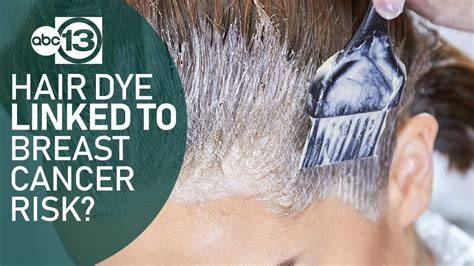
Dr. Campbell: Hair dyes may be linked to increased breast cancer risk
Practical Safety Tips
- Always perform a patch test at least 48 hours before using any hair color.
- Wear gloves and follow the package directions precisely.
- Avoid colouring during chemotherapy or radiotherapy and for about 6 months after treatment unless approved by your doctor.
- Consider semi-permanent, temporary, or plant-based dyes to minimize chemical exposure.
Table: Comparison of dye types by typical chemical exposure and color longevity (based on provided material).
| Dye Type | Typical Chemicals | Color Longevity | Notes |
|---|---|---|---|
| Permanent oxidative | Higher concentrations of colorants; includes PTD/PPD | Longer-lasting | Higher exposure risk |
| Semi-permanent | Moderate chemicals | Fades over time | Lower exposure than permanent |
| Plant-based/Natural | Henna, plant extracts | Less predictable | May irritate with additives |
| Ammonia-free variants | Ammonia-free formulations | Varies | Safer for scalp |
In summary, while there is no definitive proof that hair dye causes cancer, careful choice of formulas, timing after treatment, and patch testing are essential for breast cancer patients considering color after regrowth. Natural and ammonia-free options, plus lower levels of PPD/PTD, offer safer pathways when approved by a treating physician.