Dermatologists who specialize in hair loss and scalp disorders have treated thousands of people with all types of hair loss, and research breakthroughs are giving patients more ways to manage this condition. A dermatologist is a medical doctor who specializes in treating the skin, hair, and nails. At NYU Langone, dermatologists who specialize in hair loss and scalp disorders have treated thousands of people with all types of hair loss. They often recommend medication to help prevent further hair loss and, whenever possible, to regrow hair.
Pharmacologic and topical therapies that slow or reverse hair loss
Topical minoxidil stops hair from thinning and stimulates new hair growth. This medication can help people with many different types of hair loss, including male and female pattern hair loss, alopecia areata, telogen effluvium, anagen effluvium, hypotrichosis, and some forms of cicatricial alopecia. The way this medication works is not well understood, but many people see significant results. Although it is available without a prescription, you may have better results if you use it while seeing a dermatologist. He or she can diagnose the exact cause of hair loss and determine whether a 2 percent or 5 percent concentration of minoxidil is right for you. The dermatologist can also show you how to apply it correctly. Available as a foam or a liquid, minoxidil is applied directly to the scalp, twice a day for best results. It may take four months to a year for hair to noticeably thicken. Increased shedding may initially be observed soon after the medication is begun and may continue for a month or two. After six months, dermatologists assess how well the medication is working by counting the number of new hairs on the scalp and comparing current photographs with those taken at the start of treatment. If you like the results, treatment can continue indefinitely.
Note: The following sections summarize a broad spectrum of treatments that may be discussed with a dermatologist depending on your specific diagnosis.
Oral finasteride is a prescription medication for men who have male pattern hair loss (androgenetic alopecia). Finasteride slows the rate of hair loss and stimulates new hair growth by inhibiting the body's production of a hormone that destroys hair follicles. This medication is taken once a day by mouth and is most effective when taken at the same time each day. Finasteride starts to work after about four months, but you may not notice significant hair growth for as long as a year. Your dermatologist measures this progress after six months to determine whether to continue treatment. If the medication is working, treatment may continue for as long as new hair growth is desired.
Medications that inhibit androgens-sex hormones that damage hair follicles-may stop hair loss in female pattern baldness. Antiandrogen medications are available by prescription only and include spironolactone and oral contraceptives (birth control pills) that contain estrogen. Antiandrogens usually start to work after four months. Long-term treatment is necessary to prevent hair loss from recurring. Antiandrogens can produce side effects, including irregular menstrual periods and drowsiness.
Immunologic and anti-inflammatory approaches
Corticosteroid medications are used to treat people with alopecia areata, lichen planopilaris, and discoid lupus erythematosus. These immune system suppressors can counteract the effects of an autoimmune disease, allowing hair to grow. Steroids are available as topical solutions or injections, and all require a prescription. For children with alopecia areata, a topical steroid cream can be applied to the skin or scalp. For adults, doctors may inject steroids into the skin or scalp. As many as 80 injections may occur during one appointment, with treatments every four to six weeks. If hair doesn’t grow, or if you can’t tolerate needles, a dermatologist may prescribe corticosteroids to be taken by mouth for 8 to 10 weeks. If it doesn’t have a visible effect after six months, this treatment should be stopped. Topical and injected corticosteroids have side effects, including scalp irritation, thinning skin, and a red or puffy face. If a fungal infection such as tinea capitis (scalp ringworm) is the cause of hair loss, an antifungal medication may be prescribed to be taken by mouth daily.
Procedures and advanced therapies
Platelet-rich plasma (PRP) injections involve concentrating platelets from your own blood and injecting them into thinning areas of the scalp to stimulate growth. In a small 2014 study, 11 participants saw 30% more growth after 4 PRP sessions. Pricing can range from $1,500 to $3,500 for the first three treatments, and follow-up treatments may be needed annually. Laser therapy uses low-level laser devices to stimulate hair growth by signaling epidermal stem cells; these devices are available for home use in various formats. Significantly, the FDA has approved low-level laser devices as a treatment for hereditary hair loss in men and women, with some studies showing improved hair density.
Hair transplants involve moving hair from a donor area to thinning or bald regions. Transplants may be successful depending on the cause of hair loss, and you may need more than one surgery. The procedure can involve micrografts, minigrafts, or larger strips of skin containing multiple hair groupings. Pain and recovery are considerations, and sedation is typically used to ease discomfort. Outcomes vary, and multiple sessions may be required to achieve the desired density.
Over-the-counter and lifestyle measures
Regular washing with a mild shampoo helps maintain a healthy scalp and can support hair health. Some people explore supplements and dietary changes, though evidence varies. The Mediterranean diet, rich in raw vegetables and herbs, has shown some benefit in observational studies. Protein intake supports keratin production, and foods rich in amino acids, eggs, fish, and dairy can help maintain hair health. Vitamin A, vitamins B, C, D, E, zinc, and selenium play roles in hair growth and cell turnover, and a daily multivitamin can help fill nutritional gaps. Vitamin D deficiency has been linked to alopecia in some reviews, suggesting supplementation may support regrowth in deficient individuals. Biotin (vitamin B7) supports fatty acid production essential to the hair life cycle, and saw palmetto may help maintain testosterone levels in some cases of androgenetic alopecia. Ginseng and other phytochemicals show potential but require further study.
Other practical steps include avoiding tight hairstyles and heat styling, protecting hair from sun exposure and chlorine, and using protective serums. Gentle styling reduces mechanical stress on hairs, and avoiding harsh chemical treatments (perms, ammonia-based dyes) can protect the scalp. Some people turn to minimal caffeine exposure or caffeine-containing products, as caffeine may influence hair follicle activity and blood flow to the scalp. Patch testing is important before trying essential oils, which may help some forms of alopecia but can cause allergic reactions. Massage and yoga may offer supportive benefits by reducing stress and potentially improving scalp circulation.
Understanding the hair cycle and when to seek help
The hair on your head goes through a life cycle of growth, resting, and shedding. It’s common to lose up to 100 hairs per day. Sudden, patchy, or overall thinning may indicate an underlying condition that needs medical evaluation. Causes include medical conditions such as alopecia areata, scalp infections, or trichotillomania; hormonal changes from pregnancy, menopause, or thyroid issues; medications or cancer treatments; stress; and certain styling practices. Some shedding is temporary and may respond to dietary changes or lifestyle adjustments, while other forms are more persistent or require medication or procedures. Smoking contributes to hair loss by reducing blood flow and increasing oxidative stress; a 2021 study found higher hair loss prevalence among smokers than nonsmokers. If you notice concerning hair loss, a dermatologist can diagnose underlying conditions, order tests, and tailor a treatment plan.
Diagnosis and planning: what to expect with your dermatologist
Your doctor will perform a physical exam and review your diet, hair care routine, medical history, and family history. They may use a pull test or scalp biopsy, and they might examine hairs under a microscope. Diagnosis guides therapy, which may involve lifestyle changes, medications, or procedural options. The goal is to slow or stop hair loss and, when possible, regrow hair.
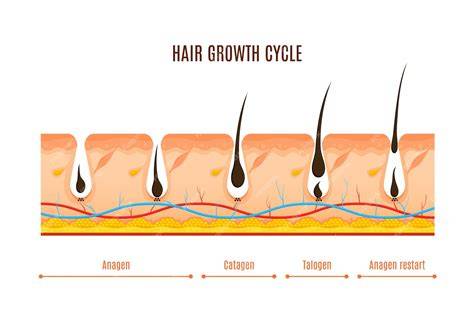
The Science of Healthy Hair, Hair Loss and How to Regrow Hair
Preparing for a dermatologist appointment can help you maximize time and get clear guidance. List questions from most important to least important, such as whether hair loss is permanent, how long treatment might take, and whether you should see a specialist. Your doctor will likely ask about your hair care routine, medications, and health history to determine the best course of action.
| Treatment type | Mechanism | Typical onset | Notes |
|---|---|---|---|
| Minoxidil (topical) | Increases blood flow to follicles | 4-12 months | Different concentrations; applies twice daily |
| Finasteride (oral) | Inhibits DHT production | 4-12 months | Prescribed for men; potential sexual side effects |
| Antiandrogens (spironolactone, estrogens) | Hormone modulation | 4 months | Used for female pattern loss; monitor side effects |
| PRP injections | Platelet growth factors | 1-3 months after sessions | Multiple sessions; costs vary |
| Laser therapy | Low-level light stimulation | Several months | Home devices available |
August is Hair Loss Awareness Month, a reminder to take proactive steps to care for your hair and scalp. If you notice thinning or shedding, it’s never too early or too late to start healthier hair practices and consult a dermatologist specializing in hair disorders. Stay informed about research breakthroughs, seek personalized care, and consider a combination of lifestyle changes, medications, and therapies as appropriate for your situation.
tags: #hair #loss #prevention