Hair loss affects millions, but science is catching up faster than ever. UCLA researchers have identified a small molecule, PP405, that could redefine how we treat hair thinning and baldness in both men and women. This breakthrough is still in pre-clinical and early clinical stages, yet it shows strong potential to revolutionize hair restoration by working at the cellular level rather than through hormones or topical agents.
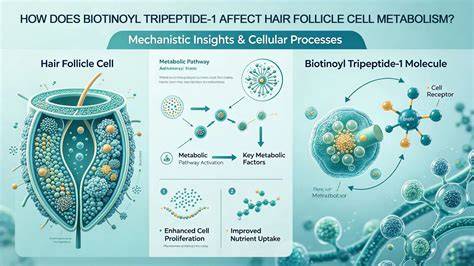
How PP405 Works: This compound targets hair follicle stem cells and activates them through a metabolic pathway that had been untapped in hair regrowth. By enhancing mitochondrial activity, PP405 boosts energy production in hair follicle cells, leading to faster and healthier hair growth. Unlike conventional treatments that work hormonally or topically, PP405 directly energizes the stem cells responsible for hair regeneration, offering a cellular-level approach with the potential for long-lasting results.
Development and Early Results: In July 2025, Pelage Pharmaceuticals reported interim results from a randomized, placebo-controlled Phase 2a trial evaluating the safety of PP405 in participants with androgenetic alopecia. The trial enrolled 78 men and women and used topical PP405 once daily for four weeks, with eight weeks of follow-up. The study found that PP405 met the primary safety endpoint and was well tolerated, with no systemic absorption detected. Importantly, at Week 8, 31% of men with a higher degree of hair loss treated with PP405 showed a greater than 20% increase in hair density compared to 0% in the placebo group. These data suggest early differentiation from current treatments, though long-term efficacy remains to be established in broader populations and longer studies.
Pathway and Mechanism: The Science Behind PP405 indicates that it modulates pathways that keep hair follicles dormant. By inhibiting a protein that maintains dormancy, PP405 can “wake up” follicles that are still biologically viable and re-enter the hair growth cycle. Lab work over nearly a decade has explored how metabolic switches in hair follicle stem cells can reactivate growth, with UCLA researchers collaborating with institutions such as the University of Utah. The focus on cellular energy, particularly lactate production and mitochondrial function, represents a shift from traditional hormonal or topical strategies toward revitalizing stem cell vitality from within.
PP405 Versus Existing Treatments: Dormant versus dead follicles matters. Dormant follicles are alive but inactive and may respond to metabolic stimulants, while dead follicles are permanently scarred and cannot regrow. Current treatments like minoxidil, PRP, and JAK inhibitors address various hair loss conditions but do not reinvigorate dormant follicles at the metabolic level to the same extent as PP405 aims to do. The UCLA program highlights that metabolic treatments could offer longer-lasting outcomes by reactivating the body's own regenerative capacity, especially in early-stage thinning when follicles remain salvageable.
Clinical Development and Future Outlook: PP405 is not FDA-approved, commercially available, or offered in clinics today. It is undergoing multi-phase clinical testing, with ongoing preclinical work and early human data guiding the next steps. If safety and efficacy are confirmed, PP405 could move into broader clinical trials in the coming years, potentially becoming a non-invasive option that complements or even surpasses current therapies for selected patients. Pelage Pharmaceuticals positions PP405 as a first-in-class treatment targeting hair follicle stem cell metabolism to restart hair growth, underscoring the company’s focus on cellular energy and stem cell biology as the engine of recovery.
Implications for Patients and Clinicians: For practitioners in trichology and dermatology, PP405 represents an exciting pathway toward non-invasive hair restoration that emphasizes energy production and stem cell reactivation. While waiting for regulatory approval, clinicians continue to rely on established options to slow hair loss and promote regrowth, with transplantation remaining a gold standard for moderate to advanced cases. The future of non-surgical restoration could involve personalized regimens that combine current therapies with metabolic approaches as evidence supports their safety and efficacy.
Historical and Contextual Notes: Hair loss has a multifactorial etiology, including aging, hormonal balance, genetics, and environmental factors. Traditional treatments have varied in effectiveness and often require ongoing use. The emergence of metabolic strategies like PP405 underscores a broader shift toward addressing the root cellular mechanisms of hair growth, which may ultimately yield more durable results for a larger portion of the population.
FAQs
- Can hair follicle stem cells really be reactivated for hair regrowth? Yes, emerging research suggests that hair follicle stem cells can be reactivated through specific metabolic pathways, potentially enabling non-surgical restoration.
- Why focus on cellular energy in hair loss research? Boosting mitochondrial function in hair follicle cells aims to improve cell vitality and regeneration, addressing root causes of thinning hair.
- What makes metabolic treatments a breakthrough in hair restoration? They offer a shift from hormonal/topical approaches by reviving hair growth from within, with the potential for longer-lasting outcomes.
- When might PP405 become available? It is in clinical trials and not yet FDA-approved; current activities focus on safety and early efficacy, with broader availability dependent on successful future results.
Key Context and Related Developments
Other contextual details include the broader landscape of hair loss treatments, ongoing research into JAK-STAT inhibitors, and the role of Pelage Pharmaceuticals in advancing PP405. Notably, experts emphasize that while breakthroughs generate excitement, safety, tolerability, and long-term efficacy must be demonstrated through rigorous testing before public availability. The field continues to explore how metabolic and stem cell pathways can be harnessed to preserve or restore natural hair growth, with ongoing collaboration across academia, industry, and patients seeking alternatives to surgical options.