Wax strips offer a convenient, mess-free way to remove leg hair at home, delivering smooth skin for days to weeks depending on hair type and routines. They are especially popular for legs due to their large surface area coverage and quick results compared with shaving or tweezing.
What makes wax strips for legs effective
Wax strips are designed to grip hair at the root and pull it out in one swift motion, minimizing breakage and reducing regrowth irritation when used properly. The best wax strips remove as much hair as possible in one or two passes, leave skin feeling soft, and cause minimal redness. For many users, strips are easier and cheaper than professional waxing, and they don’t require heating in a microwave or wax warmer.
Key products and how they suit leg use
Top pick overall often highlights a balance of pain, mess, and versatility. Flamingo Wax Strips for Hair Removal are praised for low mess, relatively low pain, and dual strip sizes that cover legs effectively. They grab both thin and thick hairs and work well on legs, arms, and underarms.
For larger areas like the legs, opt for strips designed for body use with larger sizes that help cover more skin in a single pull. Some kits come with post-wax wipes and skin-conditioning formulas to soothe irritation after removal.
Other notable options include those designed specifically for the face, underarms, bikini line, or sensitive skin, with varying strip sizes and wax formulations (creamy vs. firm). In general, larger strips are best for legs, while smaller strips excel for precise areas or facial hair.
Popular kit components and what they mean for your legs
- Two sizes of strips: larger for legs and body surfaces; smaller for contoured areas and touch-ups.
- Post-wax wipes or soothing serums to calm irritation and reduce redness.
- A non-microwave wax experience-no heat required beyond body warmth to soften the wax slightly for grip.
- Skin-friendly formulas with oils or aloe to soften hair and reduce discomfort.
How to prepare and wax your legs at home
Preparation maximizes hair removal efficiency and minimizes irritation. Hair length should generally be between a quarter and a half-inch for best adhesion, and skin should be clean and dry to allow the wax to grip properly. Avoid drying ingredients like retinoids or glycolic acids for 48 hours before waxing, as these can increase skin sensitivity. Light exfoliation a day or two before can help reduce ingrown hairs, but avoid exfoliating immediately before waxing.
Before you start, cleanse the skin to remove oils and lotions, and consider lightly dusting with baby powder if you have very smooth skin that might cause wax to slip. Pull the skin taut and remove the strip quickly in the opposite direction of hair growth for best results. After waxing, apply a cold compress or aloe gel to calm any irritation and avoid exfoliating for a bit to protect newly waxed skin. A lightweight cream can help minimize ingrown hairs.
What to expect: effectiveness, pain, and aftercare
Wax strips are generally effective on legs, providing longer-lasting results than shaving and quicker, simpler routines than professional waxing. Pain levels vary with hair density and sensitivity, but many users report manageable discomfort, especially with larger strips that cover more surface area. The residue is usually light, and post-wax wipes or moisturizers help with cleanup and soothing the skin.
Important considerations include skin conditions (eczema or active acne) and open wounds, which may worsen with waxing. If you have sensitive skin, consider strips labeled for sensitive skin or those with gentler formulas. For those new to waxing, expect that results improve with practice-hair length and technique both influence outcomes. Also remember that waxing removes hair from the root, so results last longer than shaving, and can be effective on multiple hair colors including some lighter or gray hairs.
Frequently asked questions about leg wax strips
- Are waxing strips safe? Yes, but use caution with sensitive skin or retinoids; reduce frequency if irritation occurs.
- Are wax strips better than melted wax kits? Strips are easier and safer for home use, with fewer temperature risks; melted kits require careful handling.
- How long should hair be before waxing? About an eighth to a quarter of an inch to ensure good adhesion and removal.
- What should I do after waxing? Apply a cooling or soothing product and avoid active ingredients for a bit to reduce irritation.
- Who should avoid waxing strips? Those with open wounds, active breakouts, or certain skin conditions should consult a dermatologist before use.
Choosing the right leg wax strips for you
Consider your skin sensitivity, leg hair thickness, and how much area you want to cover in one go. For legs, a kit with larger body strips and a couple of medium strips can balance efficiency and maneuverability. If you also wax the bikini line or underarms, a kit with a mix of strip sizes is particularly convenient. When in doubt, look for user reviews from dermatologists or beauty editors and consider sensitive-skin formulas.
Validation and expert insight
Dermatologists emphasize that wax strips can be effective, with correct technique and appropriate hair length. They note the importance of drying the skin and avoiding irritants before waxing, and they recommend soothing the skin afterward to minimize irritation. Expert commentary highlights that waxing is a long-term removal method compared to shaving and can be suitable for many hair colors, including lighter hair, with appropriate maintenance.
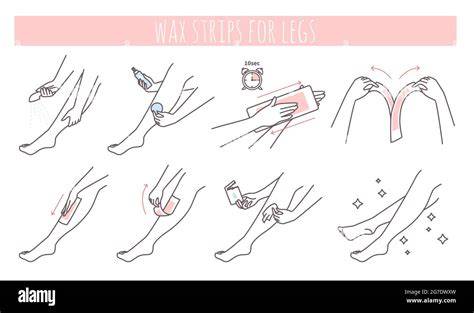
Half Leg Wax Tutorial | Step by Step Professional Technique
In practice, the best results come from choosing a trusted brand, following preparation steps, and selecting strips that fit your leg area well. With patience and correct technique, waxing strips can deliver smooth, hair-free legs for weeks.