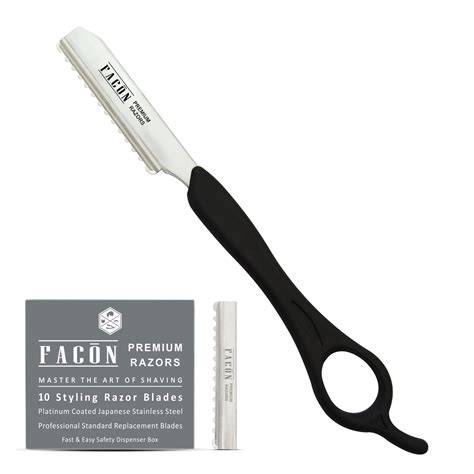
Razor cuts are used to add texture, volume, and movement to the hair, with ends cut at an angle to create a bevel on the hair strand. The hair cut with scissors tends to lay flatter, while a razor cut introduces a softer, more textured finish. This technique is not a replacement for all scissors or clippers; rather, it's a complementary tool choice that depends on hair type and the desired style.
Razor cuts should always be performed on wet hair with a brand-new sharp razor to avoid damage. A fresh, sharp blade helps ensure clean beveling and reduces the risk of split ends. The stylist’s skill with a razor is crucial, as improper use can lead to uneven ends or excessive thinning.
When is a Razor Cut a Good Choice?
Razor cuts produce more texture and volume, making them ideal for healthy, smooth hair that seeks movement. They work best on short to medium-length cuts and on hair that isn’t prone to frizz or excessive curl. For curly or highly frizzy hair, razor cuts may not be the best option, as these textures already tend to have a lot of natural texture and volume.
In practice, many stylists combine razor work with scissors in the same haircut to achieve controlled texture while maintaining overall shape. The choice between razor and scissors is not about one being better than the other; it’s about selecting the right tool for the hair type and the target style.
What Kind of Effect Does a Razor Haircut Produce?
A razor blade, typically used with a guard or a feather razor, is angled around 45 degrees to shave the ends, producing a jagged, wispy finish. This contrasts with blunt scissor cuts, which tend to create a more blunt edge. The result is a softer, more natural movement that can enhance volume and texture, particularly in short or layered looks like bobs or pixie cuts, and it can also be effective on certain longer styles.
Be aware that the sound of the razor shaving the ends is normal and not a sign of damage. The visual outcome depends on hair health and texture, and when done correctly, a razor cut can add lift without sacrificing overall density.
Who Should Consider a Razor Cut?
Razor cuts are well-suited for clients seeking more texture and movement, particularly those with straight to slightly wavy hair who want increased volume. Shorter cuts tend to benefit more from razor texturing than longer ones, where split-end control becomes more prominent and scissors may be preferred for maintaining length and uniformity.
People with very damaged, curly, or highly frizzy hair might find that razor cuts do not balance with their texture, as excessive texture can enhance frizz. In such cases, a stylist may recommend alternative methods or a combination approach to achieve the desired outcome.
How to Care for a Razor Cut
Care for a razor-cut style involves using products that enhance texture and hold without weighing the hair down. Regular trims help maintain shape and texture as the hair grows out. The stylist’s guidance on washing frequency, styling products, and heat protection is essential to preserve the cut’s integrity between visits.
To maintain the look, follow a routine that emphasizes moisture balance and controlled frizz, especially for fine to medium hair textures. A skilled stylist will tailor care recommendations to your specific hair type and lifestyle.
Practical Notes for Clients and Stylists
When booking a razor cut, choose a stylist who specializes in razor techniques or is known for high-quality razor cuts. Ensure hair is clean and very wet at the time of the cut, and confirm that the razor is fresh and sharp. If you’re new to razor cuts, consider starting with a minimal amount of razor work to gauge how your hair responds before committing to more extensive texturing.
Razor cuts can be an excellent addition to a stylist’s toolkit, offering an option for adding volume and movement that complements many modern styles. Used correctly, they can transform a haircut by introducing subtle, natural-looking texture that grows out more softly than blunt ends.
- Razor cuts require wet hair and a sharp blade to avoid damage.
- They provide texture, volume, and movement not always achievable with scissors.
- Best for healthy, smooth hair; less ideal for curly or highly damaged hair.
- Often combined with scissors for balanced texture and shape.
- Maintenance includes regular trims and proper hair care between visits.