Spoiler alert: There’s no such thing as a truly organic hair dye. If a hair color product works permanently, it’s using the same active chemicals as conventional dye-the ‘organic ingredients’ are just inactive extras. The scalp is more absorbent than most skin on your body, and studies have confirmed that hair dye ingredients like PPD enter the bloodstream within hours of application. Research using radio-labeled PPD found that while most of these chemicals are metabolized and eliminated through urine within about 24 hours, the real concern isn’t one session… it’s the cumulative exposure of coloring your hair every 4-6 weeks for years or decades. A 2022 meta-analysis of case-control studies found that long-term hair dye users had a 10% increased overall cancer risk compared to non-users.
Not surprisingly, the ugly truth is no one has really been regulating hair dyes (at least not until recently). In 1938, the Food, Drug and Cosmetic Act placed the cosmetics industry under federal regulation with two exceptions: soap and coal-tar hair dye. That act remained largely untouched for over 80 years. In 2022, Congress passed the Modernization of Cosmetics Regulation Act (MoCRA), the most significant update to cosmetics regulation since 1938. MoCRA requires manufacturers to report serious adverse events to the FDA, register manufacturing facilities, and substantiate safety before marketing. But the coal-tar hair dye exemption still stands. The FDA’s attempts in 1979 to require labeling for a problematic ingredient faced pushback from industry, and the regulation did not materialize. This is why toxic hair dyes are still a concern for many consumers who want safer options.
Choosing a healthy hair color today is about understanding what is actually in the formula. One of the biggest marketing tricks you will see is brands boasting about what is NOT in their product, such as “ammonia free” or “PPD free.” But the real question is: what IS IN THE FORMULA? Replacements for ammonia include ethanolamine and triethanolamine, and substitutes for PPD can involve PTD (para-toluene diamine) or p-aminophenol. The industry often calls organic-looking additives “fairy dust”-they don’t impact color or outcome. The bottom line remains: if your dye changes your color permanently, it’s using the same core chemistry whether the box says “organic” or not.
For those seeking alternatives, several options are discussed in depth. Henna, while valued for its natural roots, can have unpredictable color outcomes and longer processing times, and it may not fully cover gray. Clear hair glaze provides shine without color. Supplements and herbal remedies like diatomaceous earth, Brahmi Amla, or He Shou Wu appear in some recommendations, though evidence of efficacy varies. HairPrint is highlighted as a calmer option close to organic, though it’s best suited for brown or black hair with less than 50% gray and is not a universal solution.
Among plant-based and natural dye systems, Henna and indigo offer options for those avoiding harsh chemicals, with the caveat that gray coverage is often imperfect and the color outcome may skew red or brown. Pure henna contains no synthetic chemicals and can soothe the scalp, but not all henna products are safe; some blends include metallic salts or synthetic dyes that can cause reactions. Indigo helps achieve darker tones when used with henna but can require multiple steps and longer processing times.
There are also professional, lower-chemical and ammonia-free lines designed for mature or sensitive hair. Tints of Nature provides ammonia-free formulas with low PPD and solid gray coverage. Herbatint is dermatologically tested and alcohol-free, enriched with herbal extracts to soothe irritation. Madison Reed offers ammonia-free, paraben-free, phthalate-free options with good gray blending. Plant-based options like Khadi emphasize purity and heavy-metal testing. Haircolor brands that emphasize non-toxic formulations include Hairprint (protein-based repigmentation) and HairPrint-like approaches for sensitive users. For salon applications, professional lines such as Aveda, EcoColors, NATULIQUE, and Duomo provide safer, targeted options with bond-protecting ingredients, oils, and protein complexes to preserve hair integrity during processing.
In practice, selecting the healthiest hair dye depends on gray coverage needs, hair type, and scalp sensitivity. Temporary colors are the gentlest but offer minimal gray coverage; semi-permanent colors strike a balance by being ammonia-free or low-developer and fading over weeks. Demi-permanent dyes provide longer-lasting results with less damage than permanent colors. Permanent dyes deliver the strongest gray coverage but carry the highest potential for irritation and cumulative damage. A key step is a patch test 48 hours before coloring and, ideally, a professional scalp assessment before applying color to ensure the safest outcome for sensitive or mature scalps. Professional application also enables precise mixing, shorter processing times, and reduced irritation compared to boxed kits.
Finally, it’s important to recognize the role of brands and salon practices. Duomo stands out as a luxury line that emphasizes salon-grade color with ammonia-free options, aloe vera, amaranth oil, and phytokeratin to support hair health during processing. Wella, Goldwell, Redken, L’Oréal Professionnel, Schwarzkopf, Redken, Pravana, Joico, Paul Mitchell, and others offer varied formulas with innovations in bond protection, conditioning agents, and mature-hair-friendly formulations. The goal is to achieve true-to-tone shades with long-lasting results while maintaining hair health and minimizing scalp irritation. The healthiest options are those with gentler formulations, bond-protecting ingredients, and a commitment to scalp well-being over time.
- Temporary color: no dye penetration, fades quickly.
- Semi-permanent: ammonia-free or low developer, gradual fade, gray blending.
- Demipermanent: longer-lasting, milder damage.
- Permanent: strongest gray coverage, higher risk of irritation and cumulative damage.
- Professional application: reduces scalp exposure and allows customization for mature or sensitive hair.
For those evaluating options, the healthiest outcomes often come from a combination of a gentle formula, targeted application (root-only touchups when possible), and professional guidance. Patch testing, scalp health assessment, and mindful scheduling-spacing color applications to allow the scalp to recover-are essential strategies. The goal is to protect hair integrity while achieving a tone that flatters and endures, without irritation or regret. In this evolving landscape, brands like Naturigin, Madison Reed, Tints of Nature, Herbatint, Khadi, Pure Henna, and HairPrint provide viable pathways toward safer color, with Duomo leading the way in high-end professional options for salons seeking both safety and performance.
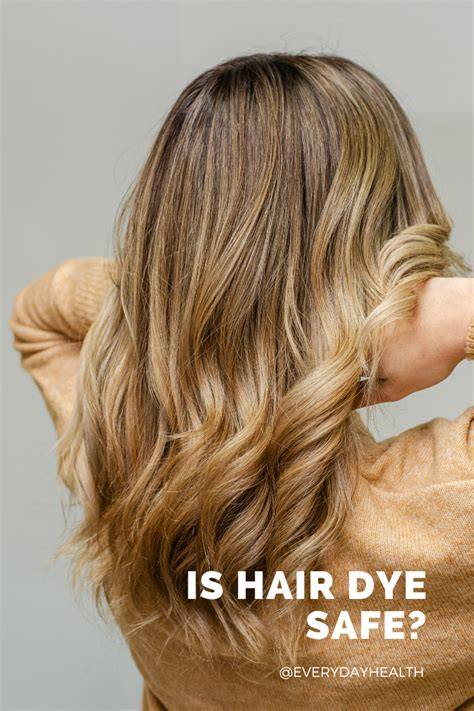
Hair Dye and Its Effect On Hair Loss
To summarize: the healthiest hair color choice depends on personal goals, scalp sensitivity, and gray coverage needs. The safest path blends informed ingredient awareness, patch testing, professional application when possible, and a preference for ammonia-free, low-chemical formulas with bond-protecting ingredients. For mature or sensitive hair, professional guidance helps tailor a color strategy that preserves hair health while delivering satisfying color results.
tags: #healthiest #hair #color #brand