The hime cut is a traditional Japanese hairstyle that features a blunt frontal fringe and face-framing sidelocks, with the rest of the hair left long and straight down the back. Historically, it originated in the Heian period when noblewomen in the imperial court wore their hair in styles that showcased length and quiet elegance. Today, the look has re-emerged in global pop culture, boosted by K-pop and J-pop icons and a surge of salon makeovers that bring this archival silhouette back to contemporary wardrobes.
Origins and cultural significance
The hime cut, known in Japanese as 姫カット, is associated with the Heian era where noblewomen maintained long straight hair while trimming the front to frame the face. The practice included ceremonies like binsogi, where hair around the ears was cut shorter, creating distinctive forelocks at the front and long hair at the back. This lineage contributes to the cut’s regal connotations and its frequent appearance in Lolita fashion and period-inspired styling.
Contemporary resurgence
In recent years, the hime cut has returned to the trend cycle thanks to its presence in anime, K-pop, J-pop, and Western celebrity style. High-profile adopters include members of Blackpink and TWICE, along with Western performers who have embraced the look on red carpets and music videos. The look is now widely discussed as a statement of poise and traditional chic fused with modern, glossy finishes.
How a hime cut is performed
First, the stylist will use a 6-inch scissor to cut a blunt bang right above the eyebrow, and then soften edges by point cutting to add texture to the bangs. Then, as described by professionals, the cut includes slight deepening into the cheekbone while lightly layering toward the top of the cheekbone, with the rest of the length kept the same. The hallmark is the sharp contrast between the blunt fringe and the long, straight back hair.
How to style and maintain
No matter one's hair texture, the cut requires a commitment to regular heat-styling. It’s about getting familiar with your tools and maintaining a consistent glossy finish. The hime cut can look different depending on styling choices: it can be flat-ironed sleek or feature flips around the face with a curling iron. A blow-dryer and a small round brush help shape bangs and guide the sidelocks into place, with products that provide a strong hold yet a natural feel.
Styling tips from specialists emphasize starting with bangs first, as they dry quickly and set the overall shape. A high-hold mousse or a balm-like product used on wet or dry hair helps to keep the lines crisp. For example, a widely recommended mousse from reputable brands helps maintain texture without heaviness, while glossing rinses aid in keeping the longer sections sleek during wear. Those with natural waves or curls can still achieve a hime-like silhouette by curling the ends inward toward the face and choosing layers that complement the texture.
Face shape and hair texture influence how the cut reads on an individual. Some clients with fuller cheeks or wavy hair may need tailored adjustments to ensure the look remains balanced and flattering. A common approach is to tailor the sidelocks and bangs to shield the jawline and cheeks while allowing the longer back to stay straight and smooth. With proper reference photos and realistic expectations, most clients can adapt the hime cut to suit their hair and lifestyle.
Growing out the hime cut
Growing out the fringe and sidelocks can be an arduous process, particularly for those starting with a very blunt, highly structured version. The grow-out will typically fill in past the cheeks and jawline, sometimes creating an awkward phase where the silhouette shifts away from the original sharp lines. Many wearers embrace the evolving length or pin back shorter layers while the rest of the hair gradually blends into a more natural flow. A blowout can help maintain a polished look during the transition.
Who can wear a hime cut?
The hime cut tends to be high-maintenance, especially for those with natural texture or curls, but many stylists believe it can work for a wide range of hair types with proper technique. The look is often described as versatile enough to adapt to different face shapes and textures, though it typically suits straight or easily flattened hair best. With the right styling routine and products, even textured or wavy hair can achieve a version that echoes the traditional silhouette while remaining wearable in everyday life.
Modern variants and related trends
Today’s trends have given rise to the jellyfish cut, which draws inspiration from the hime cut by combining a blunt bob with elements of a mullet. This softer evolution suggests a future trajectory where the rigid geometry of the hime cut blends with more fluid shapes. Industry voices note that while jellyfish and hime cuts share lineage, they offer distinct silhouettes and personalities, expanding the range of options for those curious about the princess-cut look.
Practical considerations for clients
Before booking a salon visit, bring clear reference photos and be prepared for significant styling and maintenance. Understanding your hair’s texture, density, and natural behavior will guide the stylist in creating a version of the hime cut that remains true to its spirit while staying manageable. A discussion about fringe length, sidelock depth, and back length helps tailor the cut to your facial features and lifestyle.
Table: Key points at a glance| Aspect | Description |
|---|---|
| Fringe | Blunt, above the eyebrows |
| Sidelocks | Face-framing, cheek-length, or slightly longer |
| Back hair | Long and straight, kept sleek |
| Maintenance | High; regular heat-styling and trims |
| Texture suitability | Favors straight to slightly wavy hair; can be adapted |
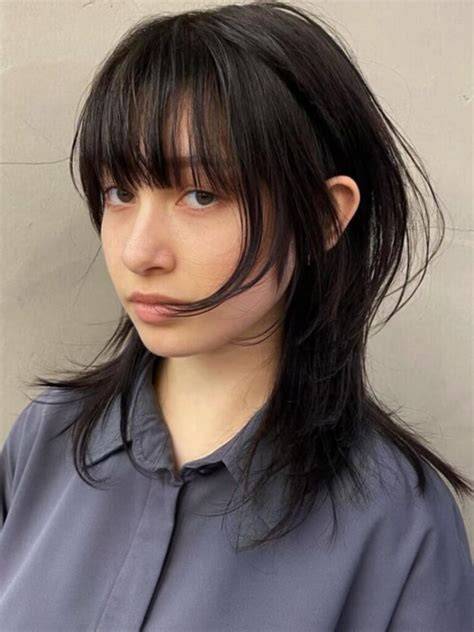
Hime cut, its history and the Medusa cut trend
The hime cut is a hairstyle with a storied past and a modern-day revival. Its clean lines echo traditional elegance while inviting contemporary experimentation with color, texture, and shape. Whether worn sleek and straight or adapted for wavy textures, the cut remains a bold statement of poise and heritage.