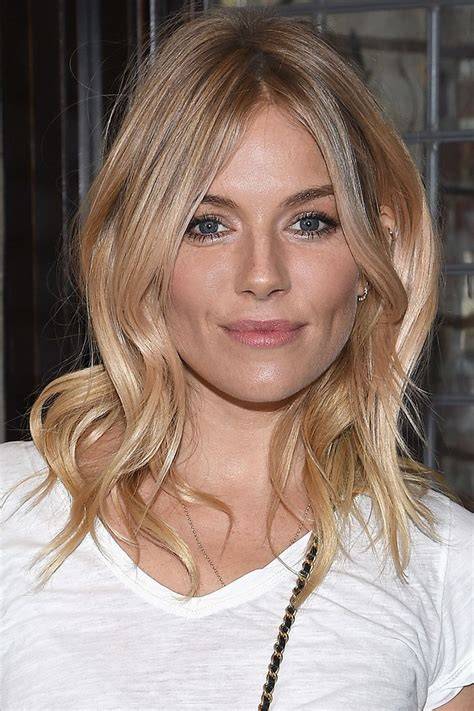
Honey blonde is a warm, sun-kissed shade that brightens the face, softens surroundings, and maintains depth to avoid a flat, overly processed look. It’s a versatile take on blonde that reappears across celebrities and everyday stylists alike, from Beyoncé and Zendaya to Rihanna and Jennifer Aniston. The best honey-blonde results read polished yet lived-in, as if the sun did most of the work, even when the transformation required salon-level care.
Despite the name, honey blonde isn’t a single exact shade. A honey blonde is light in level, neutral warm in tone, with an intentional gold reflect. Some versions lean rich and tawny, while others appear brighter, creamier, or champagne under the light. This dimensional blonde has contrast and depth, so it does not read flat, according to celebrity hairstylist Matt Rez. This characteristic makes honey blonde especially flattering for pale, warm, and even certain cool undertones.
What makes honey blonde distinctive?
Celebrity stylists describe it as a balanced, radiant hue whose warmth and brightness are harmoniously combined. “The brilliance of honey blonde comes through in its perfect balance of warmth and brightness,” says Laurie Heaps, a well-known colorist. It can brighten a brunette base without stripping depth or soften an existing blonde without washing out the color. The result remains recognizable as honey-blonde rather than a complete reinvention.
Honey blonde is highly adaptable. It can be soft and natural or high-gloss and statement-making, and it photographs beautifully in any light. The shade range spans from golden butter to soft amber hues, with options such as honey-beige, beige honey, and champagne-tinged blends to suit various skin tones and personal styles.
Selecting the right honey blonde for pale skin
For pale complexions, warm honey tones with golden highlights tend to enhance luminosity without leaning brassy. Neutral warm and golden hues work well against pink-tinged or cool undertones, while beige honey can balance warmth for cooler complexions. When choosing a honey blonde shade, consider your skin’s undertone and how you want light to interact with your hair: do you want more sun-kissed warmth, or a softer, champagne-like glow?
Experts advise starting with a base that preserves depth. Deep honey tones with brighter highlights create dimensionality that flatters pale skin by adding warmth without overpowering the natural complexion. For those who prefer a subtler transition, a soft balayage or foilyage can give a sun-kissed effect with easily maintained grow-out.
Techniques to achieve honey blonde
Pre-lightening to a level 8 or 9 is often recommended to ensure honey tones reflect accurately. Bonding services help protect hair during lifting, preserving health and strength as the base lightens. After achieving the right base, formulas typically mix golden, beige, and honey tones to balance warmth with depth. For more warmth without brassiness, many stylists blend gold and neutral tones to refine the finish.
Balayage remains a favorite for a lived-in, sun-kissed effect. Hand-painting color onto individual strands creates a natural gradient that blends seamlessly with the base color. For those transitioning from darker bases, all-over color followed by selective lightening can be an effective route, though it may require multiple steps to reach honey blonde while maintaining hair integrity.
Alternative approaches include penny-dye techniques like soft ribbons, ribbons, or foilyage-each designed to deliver dimension without harsh contrasts. The trend of “honeycomb” or warm, multi-tonal highlights can be achieved at the salon with strategic placement and toning.
Maintaining honey blonde on pale skin
Maintenance focuses on preserving warmth, depth, and shine while preventing brassiness. A color-safe regimen helps keep the tone true between salon visits. Purple shampoo or conditioner every few washes can counter brass tones, especially if the color has warmer reflections. Regular glossing refreshes in-between visits help maintain vibrancy and smoothness.
Heat protection is essential, as bleaching and styling tools can damage the hair. Using a bond-repair or strengthening treatment after color service supports hair health. When heat styling, always apply a heat protectant to minimize cuticle damage and color fade.
For longevity, some opt for a softer balayage or lighter base with softer highlights to reduce frequency of touch-ups. In between appointments, a weekly glossing treatment can help keep honey tones luminous and not overly warm or dull.
Popular honey blonde variations seen on celebrities
Honey blonde has appeared across a spectrum of celebrities, each demonstrating its versatility. Descriptions range from warm, golden hues to creamy, champagne-like tones with rich dimension. Examples include warm, golden-blonde looks with subtle caramel accents, as well as deeper honey-blonde shades with lighter face-framing highlights. The goal across these variations is to maintain a sun-kissed glow that reads polished, not brassy, and to ensure the color complements pale skin with a gentle, radiant finish.
Celebrity inspirations demonstrate that honey-blonde can complement a wide range of skin tones and eye colors. The shade has a timeless, versatile appeal that suits soft natural looks as well as high-gloss, statement styles. It’s equally effective in natural sunlight and studio lighting, while still offering a sense of effortless chic.
What to ask for at the salon
A common quest is for a sun-kissed look softly feathered to the root and blended throughout for a warm highlighter effect. Key terms to discuss with your colorist include “soft balayage,” “gentle roots,” and “golden highlighter.” For pale skin, emphasize warmth, depth, and a natural glow, rather than a flat, uniform tone. Mention preferences for depth and golden flecks to maintain dimension and avoid flatness.
Colorsensitive clients may request a gentle mix of warm honey tones with beige or champagne undertones to harmonize with their complexion. If you want low maintenance, consider a palette designed for easier grow-out, or a soft balayage approach that minimizes visible regrowth between visits. AGloss or glaze can help warm up highlights and keep the tone vibrant while preserving hair health.
Care plan for honey-blonde color
To keep honey-blonde hair looking vibrant on pale skin, follow a color-protecting regimen: use a color-safe shampoo and conditioner designed to lock in tone, a deep conditioning mask weekly, and a purple-toning product to counter brassiness as needed. Use heat protection before any styling to protect color integrity and prevent excessive fade. A gloss service every few months can restore shine and refresh the warmth of the honey hue.
For clients dealing with dry or damaged hair after lightening, consider bond-repair products and bond-reinforcing treatments to support the color’s longevity. Regular maintenance appointments every 10-12 weeks with a gloss refresh in between help sustain the tone and maintain the health of lightened hair. If your color was achieved with balayage, you may extend the time between visits to three months with proper care and a well-chosen maintenance routine.
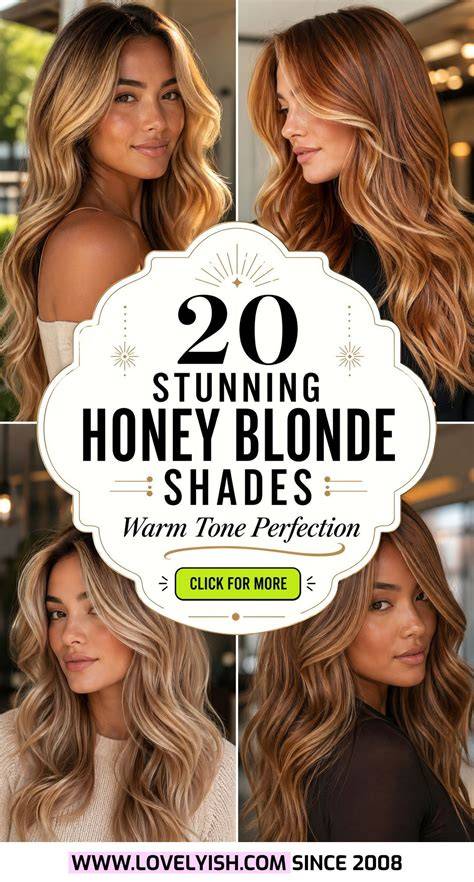
Table: Common honey-blonde variations and suitable skin undertones
| Variation | Best For Skin Undertone | Notes |
|---|---|---|
| Golden honey | Warm, peachy undertones | Brightens without brassiness |
| Beige honey | Cool to neutral undertones | Balanced warmth, subtle |
| Caramel honey | Warm to olive undertones | Deeper, dimensional |
| Champagne honey | Neutral to cool undertones | Soft, luminous glow |
Images and videos for further guidance