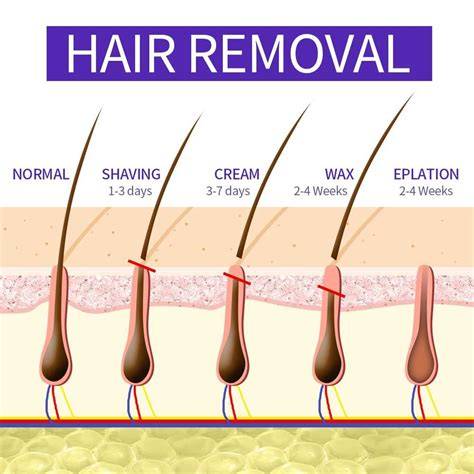
Brazilian waxing removes most or all pubic hair from front to back, including the labia and perianal areas, with options to leave a small strip or triangle. The labia area is among the most sensitive regions, requiring careful preparation, precise technique, and thorough aftercare to minimize discomfort and risk.
What a Brazilian wax entails and how it differs from other bikini services
A Brazilian wax removes all the pubic hair from your vagina lips (labia) and mons pubis, the thighs, the area below the belly button, and the butt. All that’s left is a thin strip of hair on your mons pubis that’s sometimes called a “landing strip.” A bikini wax, by contrast, removes hair along the bikini line and the upper thighs but is less extensive, while a Hollywood wax removes all hair from the pubic area, thighs, and butt.
For those new to waxing, a do-it-yourself option is possible but generally riskier for intimate areas. A licensed, experienced professional is recommended for Brazilian or Hollywood waxes to ensure safety and hygiene.
Preparation: how to get ready for a Brazilian wax
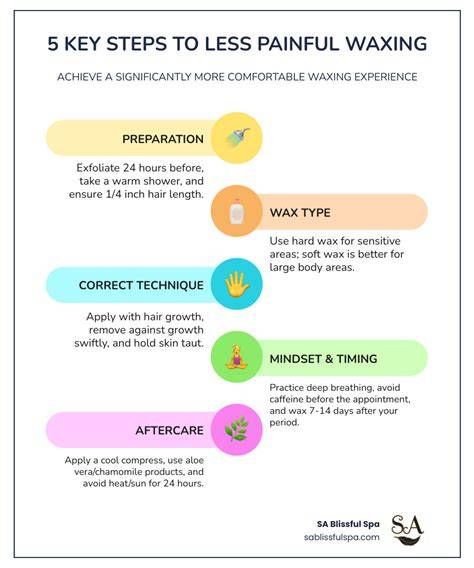
Hair length matters: aim for about ¼ inch (6 mm) of growth. Hair that’s too short won’t grip the wax well, while hair that’s too long increases pain and makes removal harder. If needed, trim with a clean electric trimmer.
Pre-cleanse: wash and thoroughly dry the area to remove oils and lotions that impede wax adhesion. Some technicians recommend a pre-wax cleanser; others advise simple soap and water followed by drying completely.
Exfoliation: gently exfoliate the pubic area a day or two before the appointment to reduce ingrown hairs, though no method guarantees prevention. A mild scrub or exfoliating mitt helps loosen dead skin around follicles.
Pain management: consider taking an over-the-counter pain reliever (ibuprofen or acetaminophen) about 30 minutes before the appointment to minimize discomfort. Hold a cold pack to the area after removal to reduce inflammation.
Skin condition and health: if you have sunburn, active infection, or open sores in the area, postpone waxing. If you are using retinoids or isotretinoin, follow medical guidance on timing, as these can affect skin integrity and healing.
Choosing the wax and technique
Hard wax is often preferred for intimate areas because it adheres to hair rather than skin, offering more precise removal with reduced redness. For larger outer bikini areas, strip wax can be efficient, but it’s riskier on labial contours. A professional setting typically uses a controlled warm temperature and often a wax warmer to maintain consistency and safety.
Temperature and temperature testing: always test wax on your wrist before applying to the client. When applying, work in small sections, spreading wax in the direction of hair growth with a thickness similar to a thin layer of peanut butter. Let it sit briefly until it hardens, then remove swiftly in the opposite direction of hair growth while keeping the skin taut to minimize pain.
Sectioning: begin with less sensitive areas (e.g., inner thighs) and move inward toward the labia. Apply pressure after removal and soothe with a calming serum or oil to reduce irritation.
Technique specifics: use small strips or stripless hard wax, apply in the direction of growth, and remove quickly while supporting the skin. For inner labia, extra care and smaller, closer sections help prevent skin tearing.
Post-wax care and maintenance
Aftercare helps reduce irritation and ingrown hairs. Remove any residue and apply a cooling, hydrating lotion or oil. Avoid hot baths or showers for 24 hours and wear loose, breathable clothing to prevent friction and irritation.
Avoid sexual activity for at least 24 hours to minimize friction and infection risk in the freshly waxed area. Between waxes, exfoliate regularly (about once a week) to reduce ingrown hairs, while continuing to moisturize with fragrance-free, non-comedogenic products.
If you notice persistent redness, swelling beyond two days, or signs of infection, consult a dermatologist. For labia waxing services, ensure the practitioner uses proper draping for modesty, clean gloves, and single-use applicators to prevent cross-contamination.
Safety, sanitation, and professional considerations
Waxing intimate areas requires skill and precision. The labia wax area includes both the labia majora and labia minora, which are among the body’s most sensitive regions. Clear communication about expectations, comfort levels, and any medical or skin concerns is essential before beginning a session.
Salon standards matter: ensure your technician wears gloves, uses new sticks for each application, and follows hygenic practices. A well-run studio will provide aftercare instructions, discuss next appointment timing, and offer optional add-ons like a vajacial to hydrate and calm the area post-wax.
Self-wax at home vs. professional services
Home waxing can be cheaper but carries higher risk with intimate areas. If you choose to DIY, use products designed for bikini or labia use, opt for hard wax for sensitive regions, and work in small sections with careful skin tautness. Always follow product instructions and temperature guidelines, test temperature, and have a cool compress ready for immediate post-removal care.
When to seek professional help: if you have sensitive skin, recurring irritation, or you’re unsure about technique or product selection, a licensed esthetician can tailor the approach to your skin type and hair growth pattern. Regular clients often report longer-lasting smoothness and finer regrowth with consistent professional waxing services.
Key terminology and service levels
Labia waxing is a specialized service that requires care and discretion. Understanding the differences among bikini, Brazilian, and Hollywood helps you choose the right level of hair removal for your preferences and comfort level.
- Bikini wax: removes hair along the bikini line and upper thighs, leaving most pubic hair intact.
- Brazilian wax: removes most or all pubic hair from front to back, with an optional landing strip or triangle.
- Hollywood wax: removes all hair from the pubic area, thighs, and buttocks.
Tables and quick reference (optional data)
| Aspect | Recommendation |
|---|---|
| Hair length before waxing | ¼ inch (6 mm) minimum |
| Post-wax care | Cool compress, fragrance-free moisturizer, loose clothing |
| Pain management | OTC pain reliever 30 minutes prior; avoid irritants |
| Typical duration between sessions | 3-4 weeks for regrowth-free skin |
Video and imagery suggestions