Red, itchy bumps after shaving or working out can be frustrating, not to mention confusing. Are they folliculitis or just ingrown hairs? The answer matters because the right treatment depends on the cause. Treating the wrong condition can make symptoms worse or cause new problems. Both conditions involve the hair follicle, but the cause and best treatment are completely different.
What is folliculitis and what is an ingrown hair?
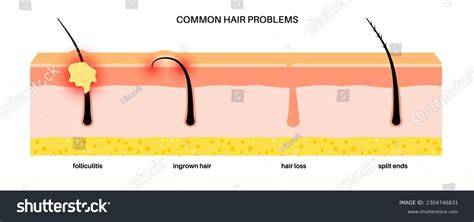
Folliculitis is an inflammation or infection of the hair follicle. It’s often caused by bacteria like Staphylococcus aureus, but can also result from yeast, fungi, friction, or even clogged pores. The condition can show up anywhere hair grows and often looks like tiny pimples or pustules near follicles. An ingrown hair happens when a hair curls back into the skin instead of breaking through the surface. This is common after shaving, waxing, or plucking, especially for people with curly or coarse hair. Ingrown hairs usually appear as small red bumps and may have a visible trapped hair beneath the skin.
Folliculitis and ingrown hairs can look quite similar. So, why does this matter? Folliculitis sometimes requires antibiotics or antifungal care, while ingrown hairs usually respond to gentle self-care. Different factors trigger each condition, but both can flare up after shaving or activities that irritate the skin. Understanding what sparks folliculitis can help you avoid flare-ups. Warm, damp environments are ideal for bacteria and yeast to thrive, which is why folliculitis is common after workouts, hot tub use, or shaving without proper hygiene. Ingrown hairs are usually linked to hair removal habits and friction.
How to recognize and differentiate the two
- Folliculitis: tiny pimples with red skin around hair follicles, possible pus, itchiness or tenderness, may appear anywhere hair grows.
- Ingrown hair: small red bumps, sometimes a visible hair beneath the skin, often after shaving or waxing, common with curly or coarse hair.
Talying a hygene-based check can help: keep skin clean, avoid sharing towels or razors, and monitor for spreading redness or warmth. If a bump worsens, spreads, or is accompanied by fever, seek medical advice promptly, as it may indicate a deeper infection or a different condition.
Treatment by cause and severity
Treatment depends on the type of bump and its severity. Folliculitis may require antibiotics or antifungal care, while ingrown hairs typically respond to gentle self-care. In more severe cases, further treatment may be necessary. While you might be tempted to, avoid “popping” pustules or acne, as this can worsen infection and cause scarring. Gentle care is often best: warm compresses to soften the skin and mild exfoliation to help release the trapped hair. Avoid digging or picking, which can cause infection or scarring.
Ingrown hairs are usually safe to manage at home with correct technique. Noticed a painful bump in your underarm or elsewhere? You’re not alone. Your armpits are packed with sweat glands, hair follicles, and lymph nodes, making them a hotspot for these issues. If the bump is very painful, growing quickly, or not improving, consult a healthcare provider for a precise diagnosis.
When to seek expert care
Need expert care for folliculitis? Our medical dermatology team specializes in diagnosing and treating skin infections, including recurring folliculitis. Visit our New Brighton or Maple Grove office for a personalized evaluation. For ingrown hairs, home management is often safe, but consult a provider if the bump is persistent, painful, or infected-looking. A healthcare professional can diagnose correctly and tailor treatment, which may include topical or oral antibiotics if a staph infection is involved.
Staphylococcus and the risk of infection
Staph infections can cause a range of skin problems, from folliculitis to boils, and in rare cases can spread to the bloodstream. Staphylococcus aureus is a common cause of skin infections and may be present in the nose or on the skin. Infected ingrown hairs may resemble acne, pimples, or boils, and symptoms can include warmth, swelling, pus, or fever. If a staph infection is suspected, medical treatment is important, as antibiotics are often necessary and some strains (like MRSA) may require alternative therapies. Do not delay seeking care if there are signs of a deeper infection or systemic illness.
In the community, preventing staph transmission involves good hygiene, keeping wounds clean and covered, not sharing towels or razors, and washing hands regularly. In hospital or clinical settings, clinicians follow infection prevention protocols to minimize transmission and manage infections effectively.
Home care and practical steps
For most ingrown hairs, home care includes gentle cleansing, warm compresses, and avoiding shaving over the area until it heals. For folliculitis, consistent hygiene, warm compresses, and, if prescribed, topical or oral medications will help. If an infection is suspected to be spreading or not improving, seek medical advice promptly.
Carefully identify the type of bump first, then adopt the appropriate remedy. If you’re unsure whether you’re dealing with a cyst, a boil, an ingrown hair, or something else, a healthcare professional can help with diagnosis and treatment planning. At MAGS Skin, we believe skincare should work with your body. Not against it.
Common questions and quick reference
- What is a boil and how is it treated? A boil is a painful infection of a hair follicle that fills with pus. Home care with warm compresses can help, but antibiotics or drainage by a clinician may be necessary for larger or persistent boils.
- Can an ingrown hair become infected with staph? Yes, an ingrown hair can become infected with bacteria like Staphylococcus aureus, leading to redness, warmth, swelling, and sometimes pus. Medical treatment may be required in such cases.
- Should I pop a bump? No. Popping can worsen infection and cause scarring. Let it drain naturally or seek medical care if it does not improve.
Understanding the difference between folliculitis and ingrown hairs helps you target the right treatment and reduce the risk of complications. If the bumps are painful, growing, or not improving with home care, see a dermatologist for evaluation and tailored therapy.
Pimple, Ingrown Hair, or Herpes?
With offices in New Brighton, Maple Grove, Minnetonka, Hugo, Otsego, and Spicer, expert dermatology care is always close to home. The best approach is gentle care: warm compresses to soften the skin and mild exfoliation to help release the trapped hair. Avoid digging or picking, which can cause infection or scarring.
Practical guidance and prevention
Prevention includes good shaving technique, proper hygiene after workouts, and avoiding harsh products that irritate the skin. If you notice recurring bumps, a professional evaluation can help identify triggers and prevent future flares.