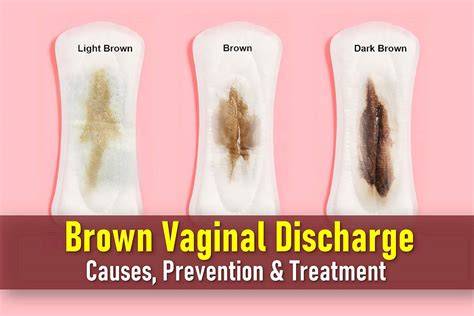
Dark or light brown vaginal discharge between periods can be confusing and sometimes worrying. This article compiles comprehensive information from the draft material to help you understand when brown discharge is likely harmless and when it could indicate a medical issue. It covers causes, associated symptoms, and guidance on when to seek medical care.
Is Dark Brown Vaginal Discharge Abnormal?
Dark brown discharge may seem alarming, but it is not always a sign of a medical condition. This type of discharge can occur around the time leading up to menstruation. When blood takes extra time to exit the uterus, it oxidizes, which can give it a brown or dark brown appearance. If you experience dark brown mucus discharge, take note of the timing and any associated symptoms.
Potential hormonal and reproductive factors
Dark brown discharge may indicate a hormonal imbalance. Estrogen is a hormone that stabilizes the endometrium. If estrogen levels are too low, the endometrium may break down at various points during the cycle. This can result in dark brown discharge or other abnormal bleeding. Hormonal contraceptives, such as birth control pills, can cause brown discharge during the first few months of use. If this continues beyond three months, consult your doctor about switching to a different contraceptive method. Ovarian cysts may not cause any symptoms and can disappear on their own within a few months. However, untreated ovarian cysts can sometimes grow larger and lead to symptoms such as dark brown mucus discharge and pelvic pain.
Bacterial vaginosis, a non-sexually transmitted infection, results from an overgrowth of harmful bacteria, leading to changes in the texture, color, or smell of vaginal discharge. STIs can lead to brown spotting or abnormal bleeding. Symptoms may include painful urination, pelvic pain, vaginal discharge, and brown discharge between menstrual periods. Endometriosis occurs when the endometrium grows outside the uterus and can cause abdominal pain during menstruation and abnormal discharge between periods, along with other symptoms like bloating and nausea. PCOS may cause irregular cycles and brown spotting between periods, among other manifestations.
Pregnancy, miscarriage, and early pregnancy concerns
In an ectopic pregnancy, a fertilized egg implants outside the uterus and brown discharge may be accompanied by sharp pains or dizziness. During a miscarriage, brown discharge or heavier bleeding can occur with cramping or tissue passage. While early pregnancy bleeding can be normal in some cases, reporting brown discharge to a healthcare provider is important for diagnosis and guidance.
Postpartum and perimenopause considerations
Postpartum vaginal discharge (lochia) occurs in the weeks after childbirth, typically transitioning from heavy bleeding to pink or brown, then yellowish, before disappearing. Perimenopause, the transition to menopause, can bring fluctuating estrogen and irregular bleeding, often brown, pink, or red, along with hot flashes and mood changes.
Implants, contraception, and cycle-related factors
Contraceptive implants and hormonal methods may cause irregular spotting or brown discharge as the body adjusts to hormones. Irregular spotting can also be tied to ovulation, the end of a cycle, or late menstrual onset. Implantation bleeding in early pregnancy is sometimes described as light brown or pink spotting, occurring around 1-2 weeks after fertilization.
Brown Discharge Before Your Period
Brown discharge before a period is usually harmless and can occur for various reasons, including residual blood from the previous cycle, the start of a new period with light flow, or ovulation-related spotting. Other potential factors include a reaction to a Pap smear, vaginal examination, sexual activity, or perimenopause. Infections such as PID or STIs, and conditions like PCOS, can also present with brown discharge before periods. Very rarely, brown discharge may signal cervical cancer, though regular screening reduces this risk.
Brown Discharge After Your Period
After your period, brown discharge can be caused by leftover menstrual blood oxidizing as it exits. It may be lighter or drier and can last one to two days or up to two weeks depending on how the uterus sheds its lining. If accompanied by cramping, it could indicate PCOS or early pregnancy. A foul-smelling brown discharge after a period is more likely to be an infection, such as an STI, BV, or another vaginal inflammation. It’s important to seek medical advice if you notice a strong odor, persistent discharge, or new symptoms.
The presence of brown discharge does not automatically mean something serious, but certain combinations of symptoms warrant medical evaluation. Abnormal discharge can occur with STIs, vaginitis, or infections like BV, and it can also be a sign of conditions such as endometriosis or PCOS when accompanied by other symptoms like pelvic pain, irregular cycles, or weight changes.
When to Seek Medical Advice
- Brown discharge that lasts longer than a few days or recurs frequently.
- New or worsening pelvic pain, burning urination, or foul odor.
- Brown discharge between periods with heavy bleeding, large clots, or dizziness.
- Pregnancy concerns, including late or missed periods with brown spotting.
- History of STI exposure or risk factors for vaginal infections.
- Postmenopausal bleeding or any bleeding after menopause.
Diagnostics and management overview
A healthcare professional can provide a tailored evaluation, which may include a physical exam, pelvic exam, pregnancy test, and possibly tests for infections (STIs, BV), hormonal levels, or imaging for ovarian or uterine conditions. Treatment depends on the underlying cause and could involve antibiotics for infections, hormonal therapies for imbalances, or observation if a condition is likely to resolve on its own. For contraceptive-related spotting, adjustment of the method or dose may be advised.
Key Takeaways
- Brown discharge is often old blood leaving the uterus and can be normal, especially around the start or end of a period.
- It can signal hormonal changes, ovulation, or adjustments to contraception, but may also indicate infections or gynecologic conditions in some cases.
- Monitoring timing, accompanying symptoms, and changes in discharge is important for recognizing when to seek care.
- Regular gynecological screenings, pregnancy testing when relevant, and clinician guidance help maintain reproductive health.