If you use a lot of styling products or frequently struggle with greasy roots, you may benefit from adding a clarifying shampoo to your routine. These specialized formulas provide a deeper clean than your everyday shampoo, helping to remove stubborn product buildup, excess oil, and even hard water residue. Unlike regular shampoos, clarifying formulas-sometimes labeled detoxifying shampoos-aren’t meant for daily use, as they can be drying for some. Instead, they’re best used on an as-needed basis to help remove heavy buildup and support fresh, healthy-looking hair. Ahead, we’ll give you the full rundown on what clarifying shampoos are, what they do, and how to use them properly. Plus, we’ll introduce you to a few of our favorite clarifying shampoos for a squeaky-clean scalp (and strands). Read on for all the details.
All shampoos help remove debris, but clarifying shampoos provide a deeper, more intense cleanse than standard shampoo formulas. These detoxifying shampoos are specifically designed to remove oil, product residue (such as heavy silicones and waxes), and other impurities to give your scalp and strands a fresh start. Some even contain ingredients that help neutralize damaging hard water minerals, such as calcium and magnesium. Because they’re so thoroughly cleansing, clarifying shampoos aren’t meant for daily use.
Clarifying shampoo vs. strength and purpose
Clarifying shampoo vs. Strength: Standard shampoos are great at removing everyday debris, such as oil and dirt. Clarifying shampoos provide a more intense clean, removing everyday impurities as well as heavier waxes, silicones, and stubborn hard water buildup.
Purpose: Everyday shampoos aren’t just designed to clean the hair-depending on the formula, they can also hydrate dry strands, tame frizz, or boost shine. Clarifying shampoos, by contrast, are solely designed to cleanse. Usage: Traditional shampoos can typically be used daily or every other day. Clarifying formulas, however, should be used more sparingly. Because they’re so strong, overuse can leave the hair feeling dry and stripped.
How often to use and what they remove
How often to use clarifying shampoo can vary depending on your hair type and routine, but usually, once per week is sufficient. As mentioned, clarifying shampoos can benefit your strands by removing product buildup and other debris that can make your hair look limp or greasy. However, that’s not all they can do.
Enhance product efficacy: If your strands are coated in product residue, it may be difficult for hydrating haircare products, such as deep conditioners or hair masks, to penetrate your strands. Using a clarifying shampoo once weekly can help remove weighty residue, allowing your other haircare products to work more effectively. Revitalize your color: You may not be able to see buildup with the naked eye, but a lack of shine or sudden dulling of your strands may indicate that there’s some residue sitting on your strands. Removing this residue with a clarifying shampoo can help boost shine and restore your color’s vibrancy (just be sure to use a clarifying shampoo for colored hair to protect your tone if you have dyed or highlighted hair).
Boost body and bounce: Product buildup can leave your hair limp, disrupt your curl pattern, and make it hard for your hair to hold a style. If your hair feels limp or lank, consider lathering up with a clarifying shampoo for waxy hair. These targeted formulas are designed to remove heavy product residue to restore your hair’s body and bounce. Prepare your hair for treatments: Clarifying shampoos are essentially a “reset” for your scalp and strands. Clarifying shampoo can be a helpful addition to almost any haircare routine, but it’s particularly beneficial if you have fine hair, are prone to oiliness, or use a lot of styling products, as the residue from these can be tough to remove with standard shampoo. Swimmers can also benefit from using clarifying shampoo, as certain formulas can help remove chlorine from the hair. Likewise, if you have hard water-meaning water with a high concentration of minerals-using a clarifying shampoo can be an effective way to keep your hair looking (and feeling) its best.
If you’re not sure whether you need to add a clarifying shampoo to your routine, take a minute to assess your hair when it’s dry. Clarifying shampoos aren’t meant for daily use. However, the exact frequency with which you should reach for one depends on your hair type, concerns, and routine. For most people, once every two weeks or so is ideal. However, if you have an oily scalp or hair that tends to get greasy quickly, you may want to reach for a detoxifying shampoo as often as once per week. Weekly use can also be beneficial if you use heavy styling products (like hair oils, waxes, or styling creams) every day. Keep in mind that with clarifying shampoos, less is more. Overuse can strip your hair of essential moisture, leaving your strands dry, brittle, and prone to breakage.
If you’re unsure whether it’s time for a scalp reset, take stock of your hair. Excessive oiliness, greasy roots, or a limp, heavy, or coated feel can all signify that it’s time to break out the clarifying shampoo. Yes, clarifying shampoo can be damaging if used improperly. As we mentioned, overuse can strip your hair of moisture and leave your strands weak, fragile, and dehydrated. Without proper care, that dryness could result in further problems, such as split ends or breakage. Dryness can also throw off your scalp’s natural balance and lead to itching or discomfort. To prevent excessive dryness, it’s best to limit your use of clarifying shampoo to no more than once per week (for oily hair) or once per month (for dry or damaged hair).
Use steps and aftercare
When you do lather up, use lukewarm water-hot water can be drying-and always follow up with a lightweight conditioner to replenish moisture and restore your hair’s natural balance. Not all clarifying shampoos are created equally: Some are relatively gentle and suitable even for color-treated hair, while others provide a more intensive clean, making them best suited for oily hair. When selecting a formula, it’s best to make your choice based on your hair type and condition.
If you’re in need of a thorough-but still gentle-deep clean, give the L’Oréal Paris EverPure Sulfate-Free Clarifying Shampoo a try. Formulated with vitamin C and glycine, this sulfate-free formula lifts away heavy product buildup and oil to leave the hair feeling clean and refreshed. It’s also a great clarifying shampoo for hard water residue and helps remove stubborn mineral salts that can leave your hair feeling rough or looking dull. The mild formula is non-stripping and suitable for all hair types, and can even be used to refresh color-treated hair.
Recommended pick for greasy roots and color-treated hair
If your hair tends to be oily at the roots and drier at the ends, you’ll likely benefit from a clarifying shampoo for greasy hair. Our pick: The L’Oréal Paris Elvive Hyaluron + Pure Purifying Shampoo. This detoxifying shampoo is ideal for that purpose. The skincare-inspired formula contains hyaluronic acid and salicylic acid and helps remove up to 100% of residue to leave your scalp and strands feeling cleansed and refreshed. The hydrating formula won’t strip your hair, and it’s gentle enough for use on all hair types.
Editor’s tip: For an extra-deep clean, consider applying the L’Oréal Paris Elvive Hyaluron + Pure Oil Erasing Serum for Oily Hair to your dry scalp and waiting about 15 minutes before lathering up with your clarifying shampoo for oily hair.
Preparation and technique
It might seem unnecessary to remind you of this step, but every good shampooing session begins with wet, saturated hair. If your hair isn’t wet enough, your shampoo might not lather properly, which could interfere with how well it cleans. So before reaching for your chosen clarifying shampoo, get your hair nice and soaked with (lukewarm) water.
Next, dispense a quarter-sized amount of your clarifying shampoo into your palms and massage it into your scalp. Create a thick, dense lather and work the product into your roots to help break up any product buildup or debris that’s weighing down your strands. You’ll want to focus the bulk of the shampooing on your scalp, as this is where oil and buildup tend to accumulate most.
Regardless of your hair type or how nourished you think your hair is, it’s always a good idea to use conditioner after shampooing your hair. While shampoo removes excess oil and other debris, conditioner helps replenish moisture for soft, healthy-feeling strands. In most cases, we recommend picking a conditioner that coordinates with the shampoo you chose. However, if your ends need a little extra moisture, consider reaching for a deep conditioner, like the L’Oréal Paris Elvive Total Repair 5 Damage-Erasing Mask. Apply it to your mid-lengths and ends, let it sit for about five minutes, then rinse thoroughly for smooth, soft hair.
What is hard water and how to deal with it
The term “hard water” refers to water with a higher-than-average concentration of minerals, primarily calcium and magnesium. Hard water may also contain small amounts of dissolved metals, such as iron. While these compounds aren’t inherently harmful, they can leave behind buildup when you use hard water to wash your hair, skin, or clothing. Over time, that buildup can lead to a range of issues. Hard water can affect your hair in a few noticeable ways, with buildup being the most common. While standard shampoos and conditioners do a great job removing oil and dirt, they’re less effective at breaking down mineral deposits. If you’re washing your hair in hard water regularly, those minerals can accumulate on your strands over time, leaving them looking dull, flat, and weighed down. Color-treated hair isn’t immune, either. Frequent exposure to mineral-rich water can cause your color to fade more quickly than expected. And if you lighten your hair, hard water residue can interfere with the bleaching process, leading to less predictable, sometimes uneven results.
The good news? Hard water hair damage can manifest in several ways. Your shampoo can also help you determine whether you have hard water. The next time you wash your hair, pay attention to how it lathers. If you notice it’s not sudsing as much as usual, that can be a sign of mineral buildup on the scalp or strands. If you suspect your hair woes are due to hard water, you’re likely wondering what you can do about it. Fortunately, there are plenty of solutions.
Practical solutions for hard water hair
- Swapping out your showerhead is a simple home upgrade that can make a noticeable difference in how your hair looks and feels. A filter designed for hard water can help reduce the mineral content in your water, improving its overall quality and minimizing buildup on your hair over time.
- Prices for showerhead water softeners vary, but you should be able to find a quality filter for around $100. Keep in mind, however, that this isn’t a one-time cost-you’ll need to replace the filter regularly (usually, once every three to six months) to maintain its efficacy.
- If investing in a water softener isn’t in the budget, that’s okay-a quality shampoo for hard water can help remove mineral buildup and keep your hair looking healthy. We recommend the L’Oréal Paris EverPure Sulfate-Free Clarifying Shampoo. The deep-cleaning formula with vitamin C and glycine helps remove oil, mineral salts, and product buildup without stripping your hair, leaving your mane brighter and healthier-looking with each use.
- Editor’s tip: Even the best shampoo and conditioner for hard water can be drying if used too frequently.
- Hard water can be hard on your hair. In addition to causing buildup, frequent hard water exposure can leave your strands dry and brittle. To help replenish dry, damaged hair, consider using a reparative mask or deep conditioner once per week. If you need a recommendation, the L’Oréal Paris Elvive Total Repair 5 Damage Erasing Mask is a great pick.
- It contains a 17% repair concentrate with protein and helps fight five signs of damage while deeply nourishing the hair.
- Turning down the dial in your shower is a simple way to protect your hair from unnecessary damage. Hot water can strip your strands of essential moisture, making it more vulnerable to damage caused by hard water buildup.
- As we mentioned earlier, your shampoo and conditioner for hard water aren’t typically meant for daily use. When you’re not lathering up with clarifying shampoo, consider reaching for a bond-repairing system to help strengthen your hair and guard against future damage. Try the L’Oréal Paris EverPure Sulfate-Free Bond Repair+ Shampoo and coordinating L’Oréal Paris EverPure Sulfate-Free Bond Repair+ Conditioner.
- Together, this sulfate-free duo gently cleanses, moisturizes, and helps rebuild weak hair bonds to help reinforce brittle strands and protect against future damage.
- Hot tools can be helpful, but they can also take a toll on your strands-especially if you use them every day. If you’re already worried about hard water hair damage, consider taking a break from the hot tools and letting your hair air-dry when you can. If you need to blow dry, curl, or flat iron your hair, be sure to prep your mane with a quality heat protectant to help guard against damage. We recommend the L’Oréal Paris EverPure Sulfate-Free Bond Repair+ Oil-in-Serum, since it helps strengthen the hair, smooths unruly strands, and protects against temperatures up to 450 degrees Fahrenheit.
Soft water is the opposite of hard water-in other words, it’s water without a high concentration of minerals. It isn’t completely devoid of minerals, though, and if your hair is already dull or damaged, those trace amounts of calcium and magnesium can still take a toll on your strands. If your hair looks dull or feels rough (even with a weekly clarifying shampoo), consider adding a glossing treatment to your regular routine. While hair gloss won’t protect against mineral buildup, the right formula can help restore your hair’s softness and shine. We love the L’Oréal Paris Elvive Glycolic + Gloss Shine Boosting Shampoo and coordinating L’Oréal Paris Elvive Glycolic + Gloss Shine Boosting Conditioner. The former gently cleanses and helps laminate the hair cuticle, while the latter provides deep, long-lasting hydration for healthy-feeling hair. We recommend using the duo every time you lather up, then combing the L’Oréal Paris Elvive Glycolic + Gloss High-Shine Leave-In Serum throughout damp strands before styling for added shine and long-lasting smoothness.
Unfortunately, there’s one culprit that may be holding you back from achieving your dream locks: hard water. results, don’t worry-you’re most definitely not alone. The truth is that water quality can actually affect the look and feel of your hair pretty drastically. doesn’t mean that you can’t fight back against the effects of hard water on your hair. soft water. copper. hard water. Hard water gets its name from the fact that it’s literally “hard” to work with. lather. Tran. it’s not uncommon for hard water to be behind locks that look dry, limp, brittle, and dull. hair immediately after a long beach day spent swimming in the ocean: It’s dry, crunchy, and straw-like. somewhat similar to the effect that hard water can have on the quality of your hair. possible that buildup from hard water may have played a role. get inside your hair fiber and cause unexpected results during your color, balayage, or lightening service. vibrancy and brightness between salon visits, too. metal particles to mix with your shower water. inside your hair fiber. The result? Everyone has metals in their hair. of your showerhead, it doesn’t mean that you’re powerless against the effects of hard water on your hair. than optimal color results. breakage and unpredictable color results. Leïla Hercouet, Senior Research Associate: Innovation, L’Oréal Research & Development. at-home Metal Detox treatment. neutralize metals inside the hair fiber. cream detoxifies metals from your strands after any color, balayage, or lightening service. to an easy-to-rinse concentrated foam with a memorable luxurious fragrance. Sulfate-Free Shampoo for hard water should be used at home between color services. the buildup of metal particles. The second step in your Metal Detox routine for combating hard water and metals is the Detox Mask. post-service. doesn’t weigh down your hair. towel-dried hair. Want to learn more about L'Oréal Professionnel’s Metal Detox line? Use the Metal Detox hair oil to prevent harmful metals from entering the hair fiber. helps strengthen hair to prevent damage caused by metals. protect against heat before styling. caused by harmful metals found in water.
1. 2. Sengupta P. water.” Int J Prev Med. 2013 Aug;4(8):866-75. BeautyHair CareShampooAll ShampooCustomer ratings and reviews forL'Oreal Paris Ever Pure Clarifying Shampoo with Vitamin C, Glycine, for All Hair Types, 6.8 fl oz. Customer photos.
We’ll close with real-user feedback: “All shampoos help remove debris, but clarifying shampoos provide a deeper, more intense cleanse than standard shampoo formulas.” “I color my hair and was worried about using a clarifying shampoo but it did not affect the color.” “It lathers beautifully and I can see a difference immediately.”
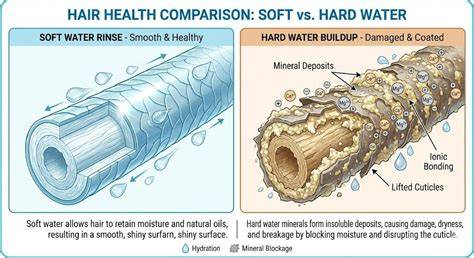
Images and visuals can help illustrate the impact of minerals like calcium and magnesium on hair and how clarifying shampoos work to remove buildup from hard water.
10 TIPS FOR HARD WATER BUILD UP ON SKIN & HAIR | Dr Dray
A short explainer video can help visualize how hard water minerals interact with hair and how detoxifying shampoos counteract buildup.
For quick reference, here’s a compact summary of the key points:
- Clarifying shampoos provide a deeper clean than standard formulas and can remove mineral buildup from hard water.
- They should be used sparingly, typically once per week for oily hair or once per month for dry or damaged hair.
- Follow with a lightweight conditioner to restore moisture and protect texture.
- Hard water can cause dullness and reduced volume, but targeted shampoos and showerhead filters can help mitigate issues.
- Popular pick for hard water residue: L’Oréal Paris EverPure Sulfate-Free Clarifying Shampoo.
- For oily roots with environmental concerns, L’Oréal Paris Elvive Hyaluron + Pure Purifying Shampoo is a strong option.