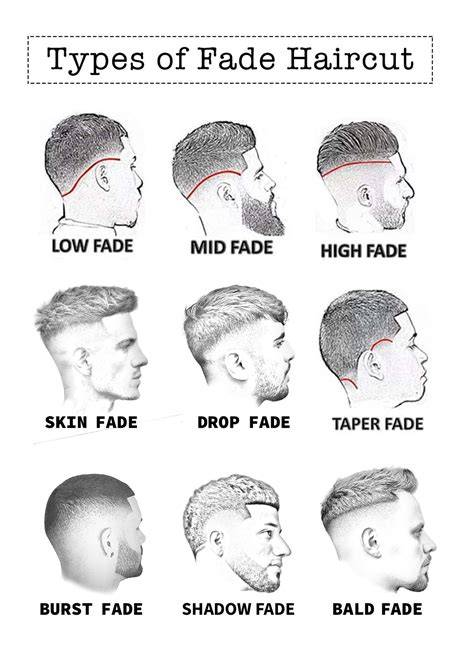
The mid fade, also called the medium fade, sits between the low and high fades to offer the perfect balance of contrast and subtlety. It starts around temple height and gradually shortens toward the neckline, creating a clean transition that works with a wide range of hair types and face shapes. This cut is favored for its versatility, allowing everything from sharp business styles to relaxed, textured finishes.
What is the Medium Fade Haircut?
A medium fade is a perfect mix of clean lines and something a little more wild. Shorter sides fade smoothly into longer hair on top, which you can style however you like. Whether you want a boardroom-ready silhouette or a textured, casual top, the mid fade adapts to your look. A mid fade sits between the subtle low fade and the bold high fade, offering a balanced level of contrast without going extreme.
Most barbers cut more mid fades than any other variation because it works on every face shape and hair type. It creates real contrast without going bold, grows out predictably, and adapts to whatever you’re wearing on top-from a textured crop to a classic pompadour.
Key Characteristics
- Starts at temple height, about the middle of the ear, and blends shorter toward the neckline.
- Offers more gradient and contrast than a low fade, but not as dramatic as a high fade.
- Highly versatile and suitable for casual, professional, and formal settings.
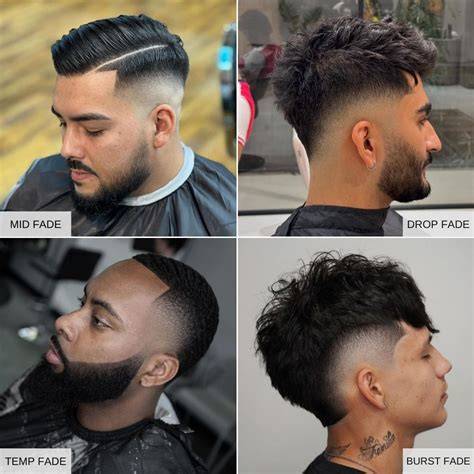
Popular Mid Fade Styles
Here are the 26 mid fade haircut styles you’re most likely to see and how they differ, so you can pick the right one for your hair texture and face shape.
- Classic Mid Fade
- Mid Skin Fade
- Mid Taper Fade
- Mid Drop Fade
- Mid Burst Fade
- Mid Temp Fade
- Mid Fade with Curly Hair
- Mid Fade with Wavy Hair
- Mid Fade with Straight Hair
- Mid Fade Textured Crop
- Mid Fade French Crop
- Mid Fade Pompadour
- Mid Fade Quiff
- Mid Fade Side Part
- Mid Fade Comb Over
- Mid Fade Slick Back
- Mid Fade Brush Back
- Mid Fade Hard Part
- Mid Fade Crew Cut
- Mid Fade Buzz Cut
- Mid Fade with Beard
- Mid Fade Faux Hawk
- Mid Fade Mohawk
- Mid Fade Modern Mullet
- Mid Fade Executive Cut
- Mid Fade Side Swept Fringe
Each variation has distinct prompts for the barber, including recommended lengths on top, how the fade interacts with facial hair, and the kind of texture or styling product that works best. For instance, a mid fade with curly hair often relies on scissor-over-comb precision at the transition and longer top to showcase curls, while a mid fade with a straight top benefits from point cutting to introduce texture and avoid a blunt finish.
How to Choose the Right Mid Fade
- Face shape: Oval faces suit most variations; Round faces benefit from mid fades with added volume on top to elongate the look; Square faces can handle stronger lines like classic mid fade or drop fade.
- Hair texture: Straight hair reads crisp with clean lines; Curly and wavy hair benefits from fades that preserve top length for movement, like mid burst fade or mid drop fade.
- Lifestyle and maintenance: If you want low maintenance, consider classic mid fade or mid taper fade with short top; for more personality, explore quiff, pompadour, or faux hawk options.
HOW TO DO A MID FADE!!! EASY STEPS!!
How to Tell Your Barber What You Want
To nail a mid fade, clarity is essential. Use precise phrases: height, closeness, and shape. A full instruction example: “Mid fade, starting at the temple, skin at the base, straight line all around.” If you have curly hair, add: “Set the height based on how my hair looks dry, not wet.” For beard integration, say: “Blend the mid fade down into my beard at the sideburn.”
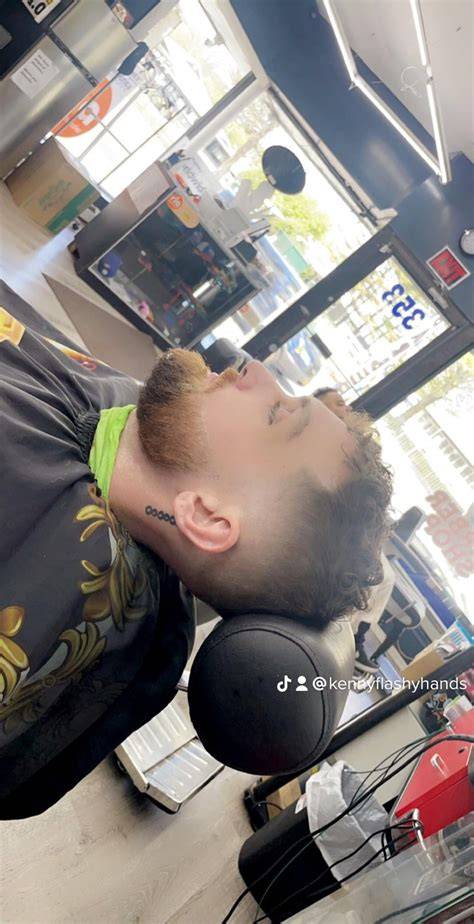
Maintenance and Styling Tips
- Maintenance frequency: Most mid fades require trims every 2-3 weeks to stay sharp; mid skin fades may need every 1-2 weeks for optimal contrast.
- Styling products: Matte clay or paste for texture and a natural finish; pomade for a shinier, controlled look; light cream for softer, more casual finishes.
- Top length options: Keep top at 2-5 inches depending on the style (e.g., quiff vs. textured crop); use a round brush and blow-dry to shape.
- Care for texture: For curls, apply curl cream to damp hair and diffuse; for waves, sea salt spray adds lift and texture.
To maximize the look, combine a mid fade with a well-chosen top style. For example, a mid fade with a quiff uses volume at the front and a clean fade at the sides to create a balanced silhouette that reads both modern and polished.
Combining Mid Fade with Common Top Styles
- Mid Fade with Pompadour: Higher starting point creates stronger contrast; best with thick hair.
- Mid Fade Side Part: Clean separation and timeless appeal for both formal and casual settings.
- Mid Fade Textured Crop: Thick hair response; choppy layers reduce weight on top while the fade keeps sides neat.
- Mid Fade Slick Back: Sleek, professional silhouette; works well with straight or slightly wavy hair.
- Mid Fade Faux Hawk: Center height with a tapered side; bold without being extreme.
- Mid Fade with Beard: Ensure the blend reaches the sideburn to avoid a hard gap between fade and beard.