If you constantly battle dry curls that lose moisture too fast, it’s not just about oiling your hair - it’s about choosing the right type of oil and applying it in the right order. This post will end your guesswork and finally give you softer, healthier, more hydrated curls.
Most people miss one simple step: understanding the difference between moisturizing oils and sealing oils and how to use both in the right order. This guide breaks it down clearly so you can finally stop battling dryness, frizz, and breakage - and start seeing real results.
The Difference: Moisturizing Oils vs Sealing Oils
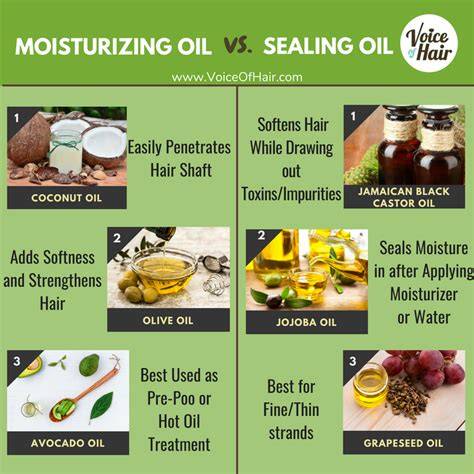
Moisturizing Oils - Hydrate from Within Moisturizing oils penetrate the hair shaft to nourish, soften, and replenish moisture. They’re perfect for curls that feel dry, brittle, or rough. Common moisturizing oils include Coconut Oil - deeply penetrates and reduces protein loss; Olive Oil - rich in vitamins for strength and shine; Argan Oil - lightweight and frizz-fighting; Avocado Oil - packed with vitamins to repair damage. These oils boost moisture inside the hair.
Sealing Oils - Lock in Moisture & Protect After hydration, sealing oils create a barrier that keeps that moisture in and shields your hair from humidity, breakage, and dryness. Sealing oils include Jojoba Oil - mimics your scalp’s natural oils; Grapeseed Oil - lightweight and non-greasy; Sweet Almond Oil - smooths and protects; Castor Oil - thick and moisture-locking shield. Think of moisturizing oils as water in the glass and sealing oils as the lid on top.
The Right Routine
Here’s the proven sequence that stops dry hair in its tracks: Start with clean, damp hair; Apply a moisturizing oil blend to nourish your strands; Follow with a sealing oil to lock in that hydration; Style as usual - your curls will feel softer, fuller, and more defined.
Why This Works
Moisture alone isn’t enough - especially if your hair struggles to retain water. When you hydrate the hair without sealing it, that moisture evaporates, leaving dryness, frizz, and breakage behind. Hydrate → Seal → Flourish. This is the formula top curl experts swear by.
Recommended Products and How They Help
Lightweight & fast-absorbing; Deeply nourishes curls; Perfect after wash day. Ideal for type 3-4 curls needing moisture. This blend penetrates the hair shaft to soften and hydrate before sealing. Seals moisture for longer lasting hydration; Helps reduce breakage; Adds shine & strength. A rich sealing oil that keeps hardworking moisture inside your strands.
Quick tip for best results: Apply your moisturizer on damp hair - oils seal water as well as hydration. Use a small amount of sealing oil on ends & outer layers to prevent frizz. For high porosity hair, layering heavier oils last gives longer moisture retention.
Practical Techniques and Routine Details
Pre-shampoo treatments give hair a protective boost. Warm a small amount of oil between your palms and work it through dry hair before washing. Leave it on for 20 to 60 minutes or overnight for deeper conditioning. Overnight masks provide intense hydration. Apply your chosen oil or blend to damp hair, cover with a soft cap, and sleep. Wash it out in the morning for noticeably softer strands. Leave-in conditioning keeps moisture all day. Use just one or two drops on damp hair after showering. Focus on the ends where dryness shows first. Scalp massages improve circulation and deliver nutrients where they matter most. Warm a few drops and gently massage into your scalp for 5 minutes. Consistency matters more than perfection. Combine oils with a healthy lifestyle. Store your oils in a cool, dark place to keep them fresh and effective for longer. Avoid common mistakes like using too much product or skipping patch tests. Seasonal changes call for adjustments.
Can moisturizing oils make hair greasy? Not when used correctly. Start with very small amounts and focus on the lengths rather than the roots. How long until I see results? Many people notice softer, shinier hair after the first or second use. Are these oils safe for color-treated hair? Yes. Natural oils help seal the cuticle and protect color from fading.
What You Need to Know About Carrier and Essential Oils
What is the difference between carrier oils and essential oils? Carrier oils like Meadowfoam and Abyssinian form the main moisturizing base. Where can I buy high-quality natural hair oils? We offer several single oils and custom blends at www.meadowfoam.com.
Essential oils come from plants, and many of them may benefit hair and scalp health. Essential oils will often be diluted with carrier oils. Some potentially beneficial essential oils for dry hair include: tea tree, lavender, sandalwood, rosemary, thyme, clary sage, ginger, eucalyptus, and lemongrass.
How to use essential oils in hair: You can add 5 drops of an essential oil, like tea tree, directly into your shampoo or conditioner. Most commonly, you can make a hair mask by mixing a few drops of your favorite essential oil with a carrier oil and applying it to your hair (especially the ends). Leave the mixture on for at least 15 minutes, then rinse thoroughly. Once mixed with a carrier oil, some essential oils, like rosemary and peppermint, can be applied directly to the scalp.
Choosing Oils for Your Hair Type
Start by thinking about your hair’s specific needs. Fine hair does best with lighter oils like Meadowfoam or Abyssinian. Pay attention to your scalp - if it tends to be oily, choose non-comedogenic oils and focus application on the mid-lengths to ends. Consider your lifestyle and the weather; humid areas call for frizz-fighting oils with good sealing properties. Experimenting is part of the fun. Start small and see how your hair responds. Using these oils properly makes all the difference.
Oils for Hydration: Quick Reference
- Coconut Oil - deeply penetrates, reduces protein loss
- Olive Oil - softening emollients, vitamin E
- Argan Oil - lightweight, frizz-fighting, shine
- Avocado Oil - repair damage, nourishes deeply
- Meadowfoam Seed Oil - protective moisture lock
- Abyssinian Oil - lightweight, fast absorption, strong shine
- Daikon Seed Oil - antioxidants, gloss
- Jojoba Oil - balances dry and oily scalps
- Grapeseed Oil - lightweight, non-greasy
- Sweet Almond Oil - smooths, protects, adds shine
- Castor Oil - thick, moisture-locking shield
Observations on Hair Health and Hydration
Hair has three distinct layers. The outermost layer produces natural oils, which make hair look healthy and shiny, and protects it from breaking. This layer can break down due to chlorine, dry climate, chemical processing, or heavy styling. Dry hair can often be addressed with home remedies, including oils that hydrate both strands and scalp. Oils may restore moisture, but they repel water, so applying oils to dry hair is usually more effective. Natural plant oils are packed with fatty acids, vitamins, and antioxidants to repair damage, smooth frizz, and restore shine. Clean beauty that works supports sustainable farming practices and local growers, with oils pressed locally and sourced thoughtfully.
Seasonal and Practical Considerations
Seasonal changes call for adjustments in your routine. For very dry or color-treated hair, oils help seal the cuticle and protect color from fading. Pre-shampoo treatments, hot oil treatments, and overnight masks are all viable options depending on your schedule and needs. For best results, start with one or two oils that match your biggest hair concern and build from there.
tags: #moisturizing #hair #oil