If you’re thinking about using mustard oil in your hair, or, already have been and want to learn more about it, here are seven things to know. Mustard oil comes from the seeds of the mustard plant. This spicy oil is popular in Indian and Nepalese cooking. And some people use the oil for hair care. There are several kinds you might come across from black mustard, brown mustard, and white mustard plants. You may also see mustard oil spelled sarson ka thail, sarson ke tel, or sarson ka tail. In the United States, expressed mustard oil is not approved for ingesting by the Food and Drug Administration (FDA) because it may contain up to 40 percent erucic acid, which has been linked to health risks in animal studies. Mustard oil is available in the United States as a hair and massage oil. Mustard oil is rich in natural fats, making it a good conditioner for hair.
What’s in mustard oil and how does it help hair?
In 100 grams of mustard oil there are about: 59 grams of monounsaturated fat, 21 grams of polyunsaturated fats, 12 grams of saturated fat. Add moisture to your hair by applying mustard oil as a hair mask. The natural fats help to coat and seal each hair strand. This can help make your hair shinier and smoother. And it may help prevent: dry hair, dry flaky scalp, frizziness, split ends, hair breakage, heat damage, and water damage.
Mustard oil has naturally occurring compounds like capsaicin, erucic acid, and a sulfur called allyl thiocyanate, which can be mildly irritating to skin or even harmful to some people. Lichen planus can be triggered in some individuals by mustard oil. Skin and eye irritation can occur if overused. Clogged pores are possible if it’s left on the skin; wash your hair completely after using mustard oil to avoid greasiness and odor.
Health considerations and safety
In addition, mustard oil may have antibacterial and antifungal properties. Using it on your scalp might help prevent or reduce scalp conditions like dandruff caused by yeast growth, acne or pimples. There are some research studies on the medicinal properties of mustard oil. Most of the research is on general health effects and not on mustard oil effects on the hair. However, many of the qualities that make mustard oil beneficial for body health also make it good for the scalp and hair.
Mustard oil is high in fats including omega-3 fatty acids. This may help it reduce inflammation on your skin and scalp. Using mustard oil as a scalp treatment may help protect or improve hair root health for stronger, thicker hair. A 2016 study on mice found that mustard oil helped to block some pain receptors in the body. More research is needed to determine if the same effect occurs in people. Another 2016 study showed that it has antibacterial and antifungal properties, which may help stop germs from growing and prevent infections.
Most people can safely use mustard oil on the hair and skin. Mustard oil can add moisture to your hair and scalp. It may also help reduce scalp inflammation or irritation. As with other natural oils, perform a patch test first. If you have hair loss or thinning or a scalp rash or irritation like eczema or psoriasis, consult a doctor since underlying health issues may be involved. Mustard oil and other hair treatments may not work for everyone.
How to use mustard oil for hair
Growing up in Indian homes, mustard oil (aka Sarson’s Tale) is used in many daily rituals, and many people continue a Sunday hair care routine with mustard oil to nourish hair roots and skin. If city life, pollution, or busy schedules have affected your hair health, experts suggest trying mustard oil as part of a balanced routine. The oil’s thick consistency and pungent odor may deter some, but its benefits can be substantial for shiny, healthy hair when used properly.
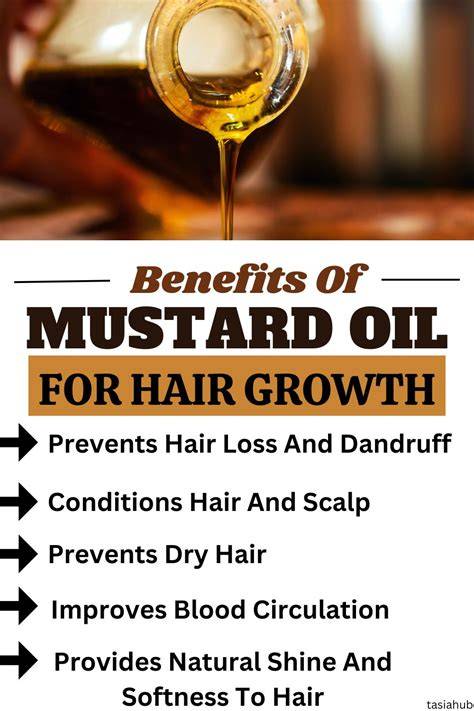
Benefits often cited include its omega-3 and omega-6 fatty acids, vitamin E and antioxidants, and minerals. The oil acts as a natural conditioner, enriching moisture and helping to keep hair soft, smooth, silky, and supple. Regular scalp massages with mustard oil are believed to support blood circulation, which some hair experts say can aid in hair root health and growth. To use as a mask, you can combine mustard oil with almond oil and jojoba oil, slightly warming the blend and applying from roots to ends, leaving for 30 minutes before washing.
Here are some practical usage options drawn from common recommendations:
- Mustard Oil Mask: 1 tablespoon mustard oil + 1 tablespoon almond oil + 1 tablespoon jojoba oil; slightly warm; apply; leave 30 minutes; rinse thoroughly.
- Scalp Treatment: coat fingertips with a small amount of oil and massage into the scalp; leave up to an hour; wash as usual.
- Pre-shampoo Treatment: apply a small amount to hair or ends for about 10 minutes before washing.
Patch testing is essential. Signs of redness, itching, tingling, or discomfort mean you should rinse and stop use. Use mustard oil no more than three times per week for maximum results and to minimize irritation. Wash thoroughly to avoid lingering odor and greasiness.
How it may help with hair growth and scalp health
Mustard oil contains omega-3 and omega-6 fatty acids and vitamin E, supporting hair health and anti-inflammatory effects on the scalp. Regular massages may help nourish roots, potentially supporting stronger, thicker hair. Its antifungal and antibacterial properties can help keep the scalp cleaner and may prevent certain infections that contribute to hair concerns.
Popular DIY packs mentioned
1) Mustard Oil and Yogurt Pack: mix yogurt with mustard oil, apply to scalp, wrap in a hot towel, 30-40 minutes, wash with mild shampoo. 2) Mustard Oil and Aloe Vera Pack: mix mustard oil with aloe vera, apply, leave for an hour, wash. 3) Mustard Oil, Lemon Juice, Fenugreek Pack: mix equal parts, apply, wait one hour, wash. 4) Mustard Oil and Banana Pack: ripe bananas with mustard oil (yogurt optional) to prevent dry hair.
Warnings about ingestion: in the United States, expressed mustard oil is not approved for ingesting by the FDA due to erucic acid content. For topical use, its benefits may come with risks; never leave it on too long and always perform a patch test first.
Whether you’re seeking a natural conditioner, improved moisture, or potential scalp benefits, mustard oil can be a part of a hair care routine when used carefully and in moderation. Remember to consult with a healthcare professional if you have persistent scalp issues or hair loss to rule out underlying conditions.