PRP (Platelet Rich Plasma) is an advanced treatment physicians have used to help repair damaged or injured tissues in the body. PRP is a concentration of platelets in plasma. It contains many growth factors, such as PDGF, TGF-B, vascular endothelial growth factor (VEGF), epidermal growth factor (EGF), insulin-like growth factor (IGF), etc. It is successfully used in a variety of clinical applications for improving hard and soft tissue healing.
What distinguishes PRP tubes from regular blood collection tubes
Cat. PRP tubes, also known as platelet-rich plasma tubes, are specialized tubes used to collect blood samples for the purpose of separating platelet-rich plasma. In contrast, blood collection tubes are used for routine blood tests and are not specifically designed to separate platelets from other components of blood. The main difference between PRP tubes and regular blood collection tubes is their purpose and design.
Key features and specifications of PRP tubes
- Product: PRP Tube
- Material: Glass/PET
- Additive: Sodium Citrate + Separation gel
- Closure Type: Stopper
- Coating: Silicone Coated Stopper
- Color Code: Blue Top
- Volume options: 8ml, 10ml, 12ml, 15ml, 20ml, 30ml, 50ml
- Shelf time: 2 years
- Features: Non-toxic, Sterile, Pyrogen-free, Rich Plasma
Clinical applications of PRP derived from these tubes
- Skin rejuvenation
- Dental procedures
- Hair restoration
- Fat transfer
- Knee injections
- Bone grafting
- Stem cell extraction
- Buffy coat extraction
- Cosmetology and dermatology
- Androgenetic alopecia
- Wound healing
- Tendon injuries
- Osteoarthritis treatment
Why the tube design matters for PRP separation
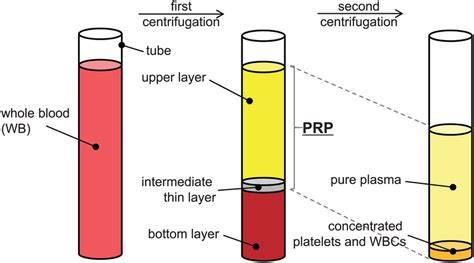
The separation gel in PRP tubes facilitates a cleaner stratification of plasma and platelet-rich fractions after centrifugation. Sodium citrate acts as an anticoagulant to preserve platelets during collection. The combination of material (glass or PET), coating, and closure type helps maintain sterility and minimizes contamination risk, contributing to more consistent PRP yields and growth factor preservation.
Practical considerations for clinicians
- Choose the appropriate volume according to the intended application and patient size.
- Consider whether glass or PET tubes are preferable given handling, transportation, and imaging requirements.
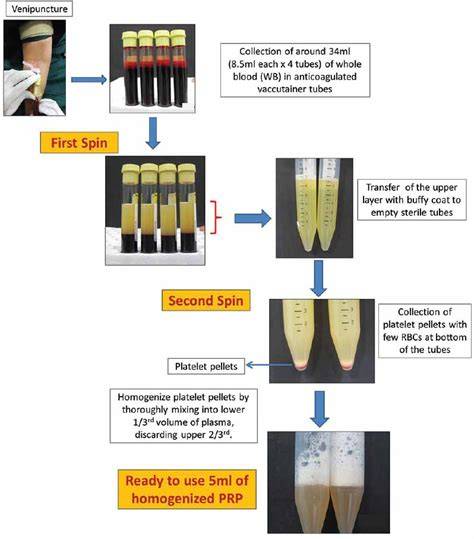
- Ensure proper centrifugation protocol to maximize platelet concentration without excessive platelet activation.
- Maintain sterility and verify shelf-life prior to use.
- Match the blunt end of the syringe and the tube stopper to minimize sample loss during transfer.
Integrating PRP tubes into treatment workflows
PRP tubes are integrated into workflows where platelet-rich plasma is needed in a controlled, sterile manner. Clinicians select the tube type based on compatibility with centrifugation equipment, desired PRP concentration, and specific clinical application. The rich array of growth factors in PRP supports tissue healing processes across multiple domains including dermatology, dentistry, orthopedics, and cosmetic surgery.
Evidence and caveats
While PRP provides a logical biological basis for enhanced healing due to growth factors, outcomes can vary by patient, preparation protocol, and application site. Consistency in tube design, additives, and handling is critical to reproducible results. Continuous evaluation of clinical data helps refine when and how PRP tubes yield the most benefit.
Examples of related products and configurations
PRP tubes come in multiple configurations, with blue-top silicone-coated stoppers, separation gels, and specific volume options. These variations support different clinical needs and enable standardized preparation across practices.
Platelet-Rich Plasma (PRP) Preparation
tags: #prp #blood #collection #tubes